Reason #85 to get involved
AWF works with a host of partners on issues ranging from climate change to land conservation. Projects like Kolo Hills REDD+ are examples of our continued success working with partners.
Reason #62 to get involved
Hippos are highly valued for their fatty meat and ivory tusks, putting them in the crosshairs of hunters and poachers. The Zambia Wildlife Authority and the Lower Zambezi Natural Park rely on African Wildlife Foundation's support to secure the park and protect hippos.
DONATE
Reason #23 to get involved
To maintain its livestock business, the Ol Pejeta Conservancy relies on supplies and education we help provide. Earning just US$100,000 in the first 10 months, this conservation enterprise effort is helping to build the local economy.
DONATE
Reason #11 to get involved
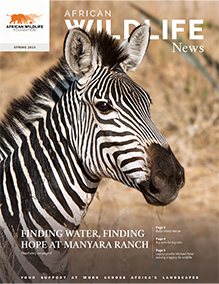
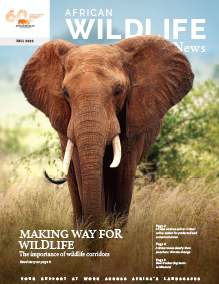
Wildlife corridors allow migratory species, like the wildebeest and zebra, to roam safely. Without intervention, these free spaces are threatened by increasing development and agriculture.
Reason #26 to get involved
Continued funding is necessary for game scouts in the Virunga Heartland to fulfill their need for vehicles, fuel, and food, in order to protect the surrounding wildlife from poachers.
DONATE
Reason #76 to get involved
With a population of 140,000 in 1999, the giraffe population is now at only 80,000. To reverse this drastic decline, support is needed to train and provide security for giraffe refuges.
DONATE
Reason #50 to get involved
Fewer than 900 mountain gorillas exist today. They live in areas suffering from the effects of civil war, poverty, poaching, and disease. Help fund efforts that include protecting gorilla habitats and keeping peace between locals and wildlife.
DONATE
Reason #24 to get involved
The African wild dog population is at 6,600 and declining due to habitat fragmentation, human conflict, and widespread disease. Your support allows for wild dog scouts to monitor and protect this species.
DONATE
Reason #68 to get involved
The impala-like kobs inhabit low-lying hills with permanent water sources, restricting them to regions rapidly being populated by humans. Without any designated buffer zones, this vulnerable species is being hunted at an alarming rate.
DONATE
Reason #45 to get involved
Due to loss of habitat, deforestation, and hunting, duikers now number less than 15,000. The species population is estimated to have dropped 30% over the past 15 years. Without intervention, this decline shows no sign of reversing.
DONATE
Give me another reason