Mozambique
Mozambique is home to rich natural resources and critical protected areas like Quirimbas National Park, Bazaruto National Park, and Lake Niassa Reserve. With its coastline and geographical location, Mozambique is an attractive hotspot for wildlife trafficking—a serious threat to rhinos, elephants, and other ecosystem-critical species.
We work in two transboundary landscapes in Mozambique and Zimbabwe—the Mid-Zambezi Valley and Southeast Lowveld—supporting wildlife authorities to improve collaboration across borders. We also work to support a detection-dog team that has drastically reduced wildlife trafficking through Maputo International Airport, which was once a major trafficking hub.
We’re supporting the government of Mozambique in its enforcement of wildlife laws. Our past and present work includes:
- Technical and financial support to a detection-dog unit based in Maputo
- Transboundary collaboration among wildlife authorities in the Mid-Zambezi Valley
- Supporting Mozambique law enforcement with judicial and prosecutorial assistance training
AWF in Action
Deploying Canines for Conservation
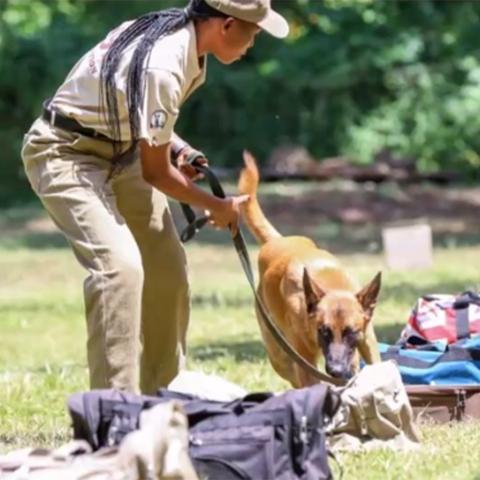
We partner with Mozambique’s National Administration of Conservation Areas to support a canine detection-dog unit based in Maputo. The unit deploys dog-and-handler teams at Maputo International Airport to stop the trafficking of illegal wildlife products like elephant ivory, rhino horn, and pangolin scales. We helped establish the unit in 2018, and we continue to work with Peace Parks Foundation to provide technical and financial support to the Mozambiquan government.
Promoting Transboundary Collaboration
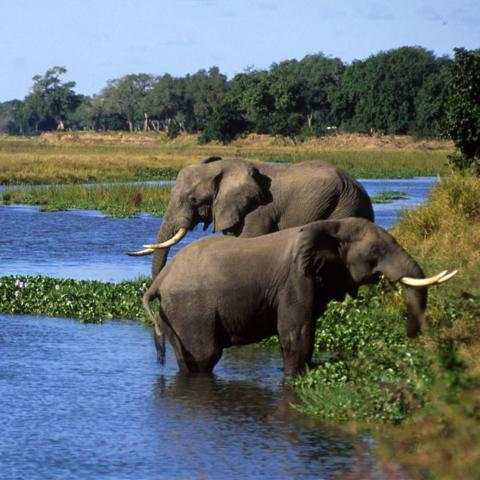
Wildlife crime doesn’t recognize borders, which is why collaboration across boundaries is critical to halt poaching and wildlife trafficking. Our Zimbabwe country team works to improve transboundary collaboration among the wildlife authorities of Zimbabwe, Zambia, and Mozambique in the Mid-Zambezi Valley landscape.
We work with the people of Mozambique for wildlife. Our strategic, implementing, and funding partners include: