From Protection to Prosperity: Rwanda's Conservation Journey and the Rwanda Development Board-AWF Partnership
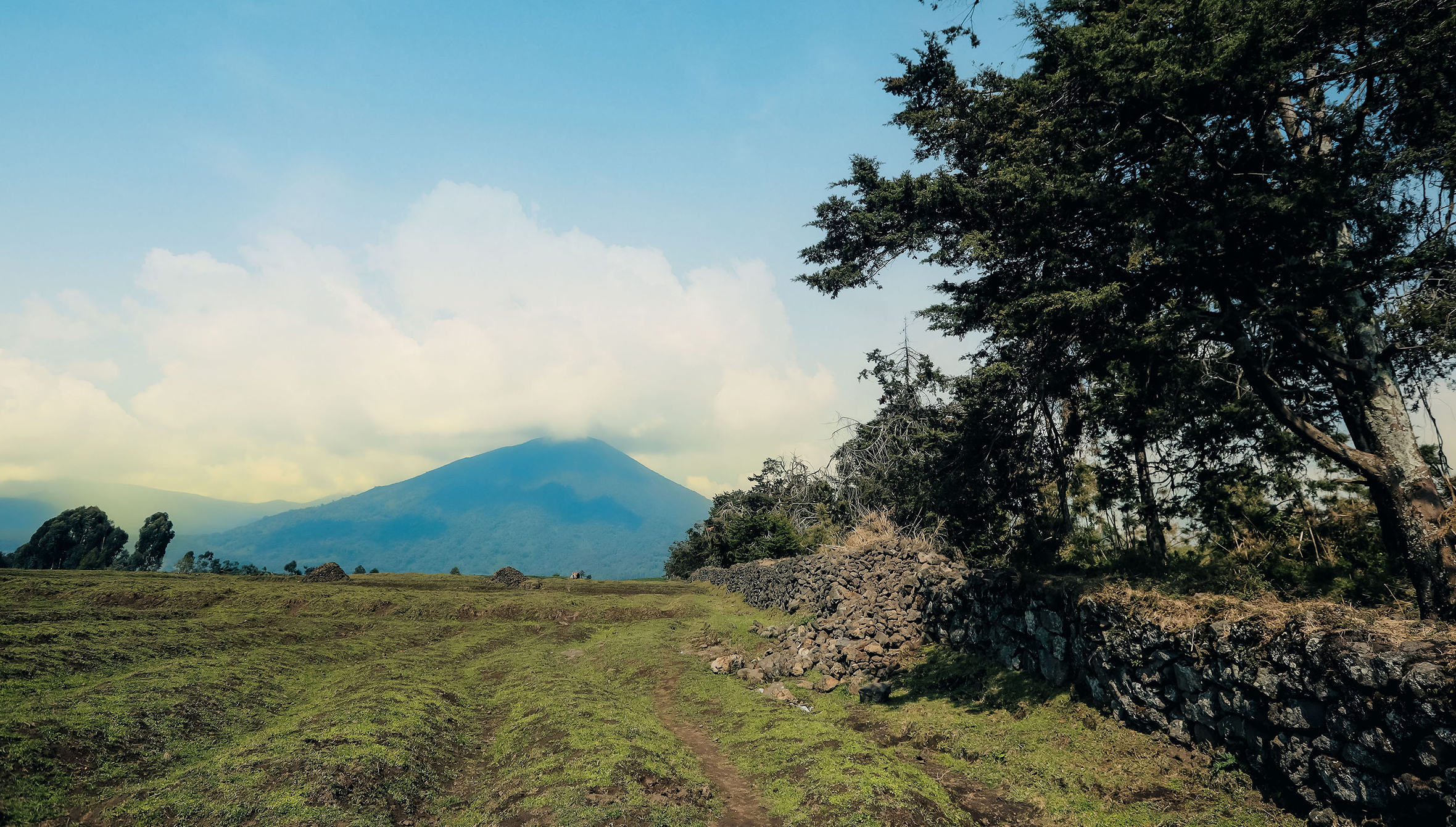
A view of Volcanoes National Park, found in northwestern Rwanda.
Eugene Mutangana on the partnership between the Rwanda Development Board and AWF, and why the next chapter of Rwanda’s conservation story depends on nature, people, and development thriving together.
Few protected areas face pressures like those in Rwanda's Volcanoes National Park, which has lost 53 per cent of its original area and is surrounded by one of the most densely populated regions in Africa. Yet the Virunga Massif mountain gorilla population has improved from an estimated 200–300 in the 1970s to over 600 today (AWF Rwanda Program Report 2020–2025). That success now creates a new challenge. A growing gorilla population needs more habitat, while communities surrounding the park need broader economic opportunities. Rwanda’s answer, developed in a flagship programme with AWF as a governmental partner, links conservation to economic growth and climate resilience.
To understand what drove that shift, what the partnership has made possible, and what comes next, AWF sat down with Eugene Mutangana, executive secretary of the Rwanda Nature Foundation. The foundation handles day-to-day conservation operations as an institutional partner to the Rwanda Development Board (RDB), the government agency that provides strategic leadership and policy oversight for conservation.
AWF: Looking back over the past ten years of Rwanda’s conservation journey, what has changed most, and what drove that transformation?
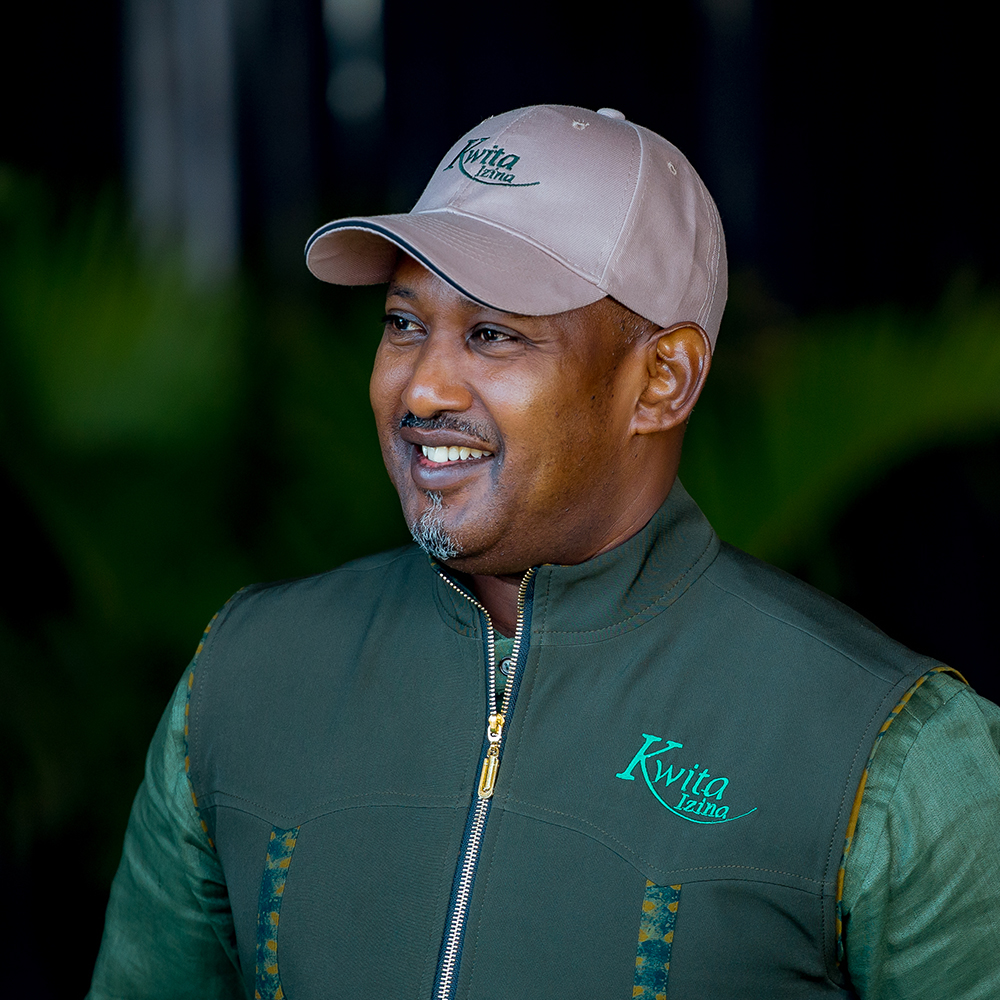
Eugene Mutangana, the Executive Secretary of the Rwanda Nature Foundation.
Mutangana: The biggest change has been a shift in mindset — from seeing conservation as protecting wildlife to recognising it as a shared responsibility and a foundation for sustainable development. Communities are increasingly at the centre of that change. Today, former poachers are working to protect the very wildlife they once hunted.
We have also moved from focusing on individual species to managing whole ecosystems and the benefits they provide to people and nature. Strong leadership, sustained investment, partnerships, and greater community involvement have driven this progress, reinforced by education and a growing understanding of the value of conservation.
AWF: How did conservation become part of Rwanda’s broader national development story, rather than being simply seen as a conservation issue?
Mutangana: Rwanda recognised that conservation and development are closely linked, and that our natural heritage is an important national asset. Protected areas and wildlife contribute to tourism, jobs, livelihoods and government revenue, while healthy ecosystems sustain water, agriculture, biodiversity, and climate resilience.
As those benefits became clearer, conservation became a shared development priority. For communities, seeing conservation support livelihoods and local development has turned it into an investment in their own future and future generations.
AWF: What role has the partnership between Rwanda and AWF played in that journey, and what has it made possible?
Mutangana: The partnership has helped turn Rwanda’s conservation vision into practical results. It combines Rwanda’s leadership and local knowledge with AWF’s technical expertise, experience and networks across Africa. Together, we have strengthened conservation while also supporting communities, institutions, and sustainable development.
A key achievement has been demonstrating that conservation can deliver tangible benefits for people. Initiatives such as the Sabyinyo Community Livelihoods Association (SACOLA) and the community-owned Sabyinyo Silverback Lodge have enabled communities to benefit directly from conservation and tourism, with revenues supporting livelihoods, education, health and local development.
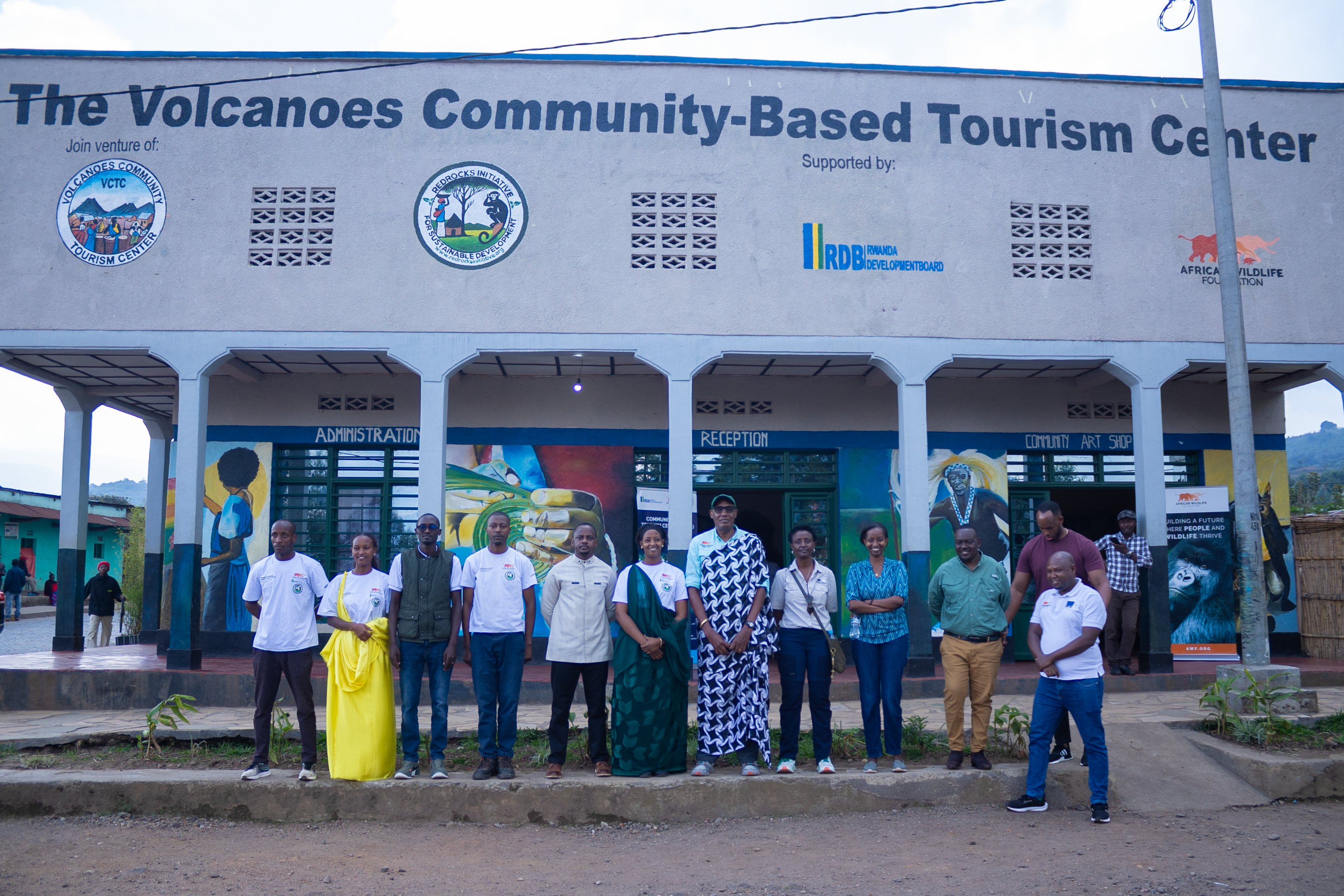
AWF CEO Kaddu Sebunya with staff members and partners at the Community-Based Tourism Center in Kinigi, Rwanda.
The partnership has also strengthened Rwanda’s conservation capacity through science and innovation, including the introduction of environmental DNA (eDNA) monitoring in Volcanoes National Park.
Ultimately, the partnership has shown what is possible when conservation is built on shared responsibility: stronger institutions, empowered communities, and better outcomes for both people and nature.
AWF: Why are partnerships between governments and conservation organisations so important in Africa, and what makes the RDB-AWF partnership work?
Mutangana: Conservation is a shared responsibility. The challenges facing Africa’s wildlife and ecosystems are too complex for any one institution to address alone. Partnerships bring together different strengths governments provide leadership, policy and accountability, while partners contribute technical expertise, resources, innovation and experience.
The RDB-AWF partnership works because it is built on a shared vision and clear roles. RDB provides national leadership and strategic direction, while AWF brings technical expertise, experience and resources drawn from its work across the continent. Just as importantly, the partnership is built on trust, transparency, and mutual respect. It is a genuine collaboration, with both institutions bringing their strengths to a common goal.
AWF: How important have communities been to Rwanda’s conservation model, and what does meaningful community participation look like in practice?
Mutangana: Communities are at the heart of Rwanda’s conservation model. Conservation cannot succeed without the people living alongside protected areas and wildlife. They need a genuine voice, a stake in decisions, and a share of the benefits.
In practice, this means revenue sharing, jobs, community-owned enterprises, education and skills development, as well as involvement in protecting and monitoring natural resources. When communities see real benefits, conservation becomes part of local development rather than a constraint on livelihoods.
That shift from beneficiaries to active partners and stewards is central to sustainable conservation
AWF: Which lessons from Rwanda’s experience could realistically be applied in other African countries?
Mutangana: Every country has its own context, but Rwanda offers four clear lessons.
First, make conservation a national priority. Strong leadership, good governance and long-term commitment matter. Second, put communities at the centre. People living alongside protected areas must have a voice, a stake and a clear benefit from conservation. Third, build strong partnerships. Government cannot do it alone. Conservation organisations, researchers, communities and the private sector each bring expertise, resources and networks. Fourth, work together. Joint management and shared responsibility help pool resources, strengthen accountability and deliver greater impact.
The key lesson is simple: conservation works when it is valued nationally, owned locally and supported through strong partnerships.
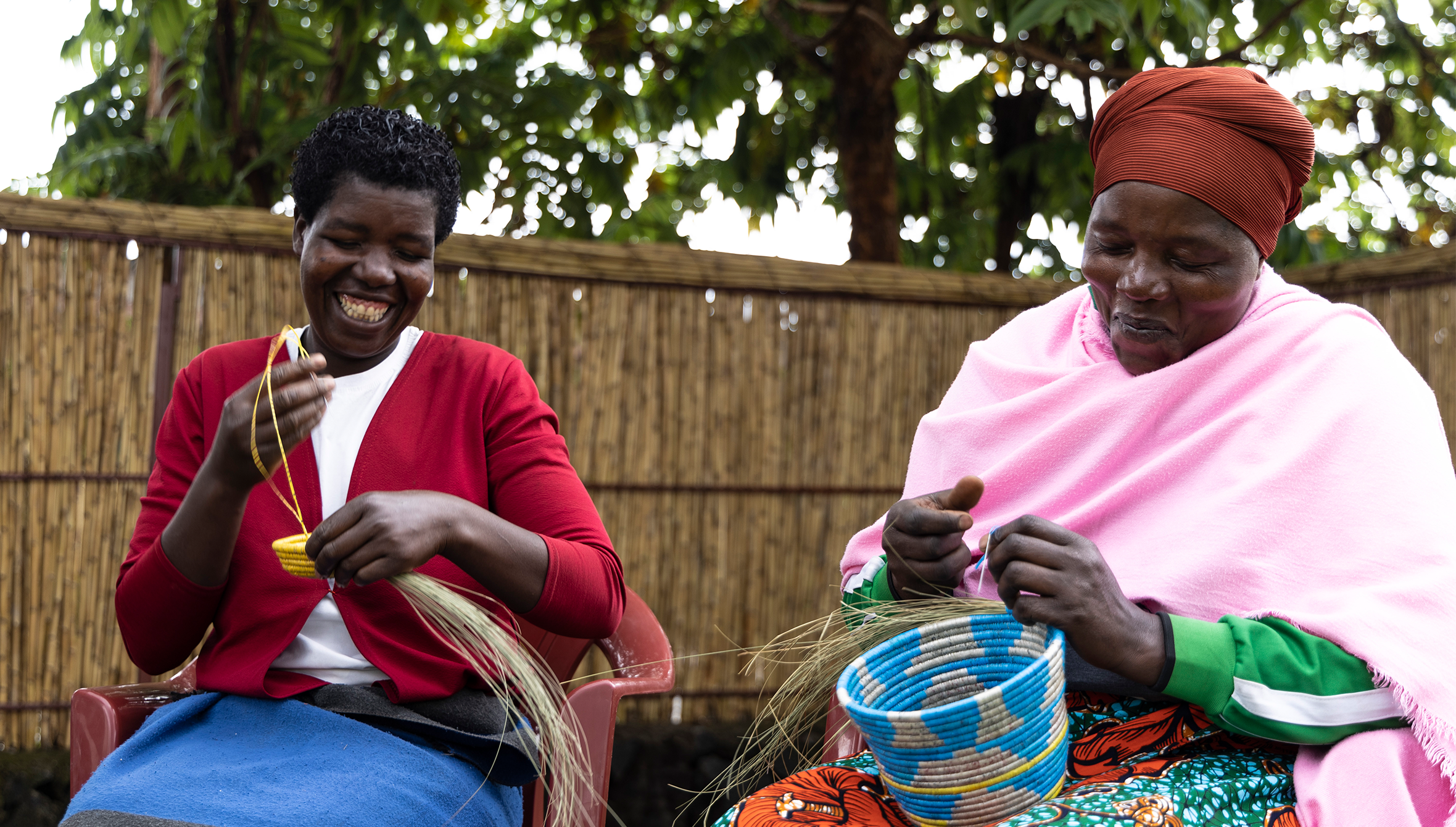
Mukamakuza Esther (right) skillfully weaving a basket at the Community-Based Tourism Center in Kinigi, Musanze District, with her colleague.
AWF: Looking ahead, what does the next chapter of Rwanda’s conservation story look like, and where do you see AWF’s partnership contributing?
Mutangana: The next chapter is about more than protecting what we have secured. It is about building a more resilient, connected, and future-ready conservation landscape. The challenge is no longer simply preventing biodiversity loss, but ensuring that healthy ecosystems continue to support national development, climate resilience, community well-being, and economic growth.
This means restoring degraded habitats, protecting ecological corridors and watersheds, and integrating conservation into land-use planning. It also means finding better ways to reduce human-wildlife conflict, expand conservation-linked economic opportunities, and ensure that communities benefit from healthy ecosystems.
Science, technology and innovation will be increasingly important, helping us move towards more proactive and adaptive conservation through tools such as biodiversity monitoring, eDNA, remote sensing, artificial intelligence, and climate modelling. At the same time, we need sustainable financing, strong partnerships, and continued investment in local scientific capacity.
With strong national leadership and partners like AWF, Rwanda is well placed to safeguard its natural heritage and share its lessons across Africa and beyond. The next chapter is about ensuring that nature, people, and development continue to thrive together.