Democratic Republic of the Congo
The DRC is one of the most important countries globally for conservation. Here, we partner with the Institut Congolais pour la Conservation de la Nature and the European Union to support communities in improving their livelihoods while curbing threats like poaching, bushmeat hunting, and habitat fragmentation. We are the longest-running "boots on the ground" conservation organization in two critical landscapes, working closely with the government to lay a solid conservation foundation.
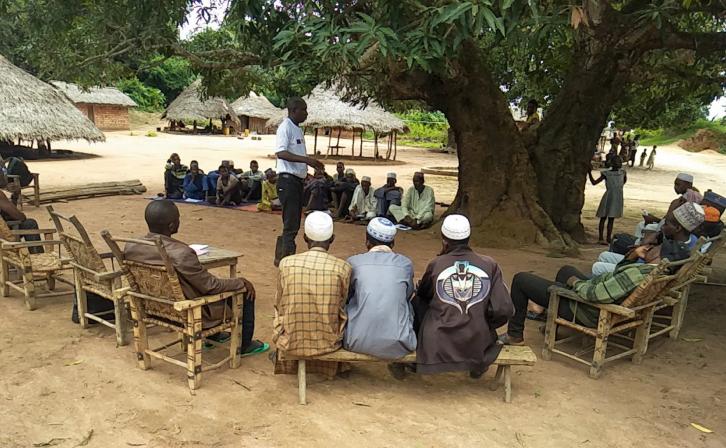
We improve community well-being through sustainable livelihood strategies that slow forest degradation and fragmentation. Our activities include:
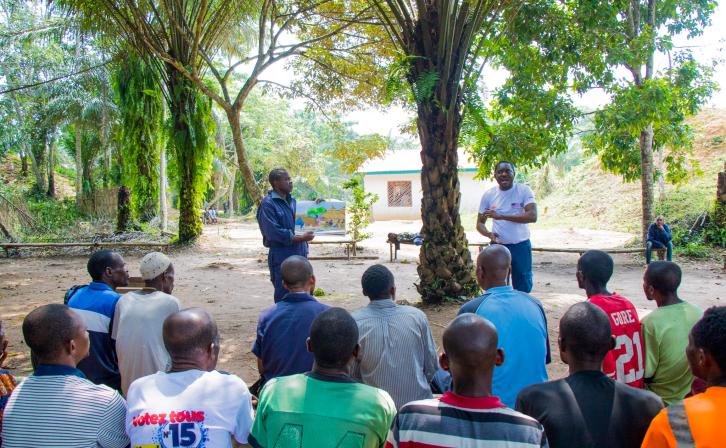
- Promoting sustainable livelihoods through skills-building and entrepreneurship workshops
- Training in sustainable agriculture and fishing practices
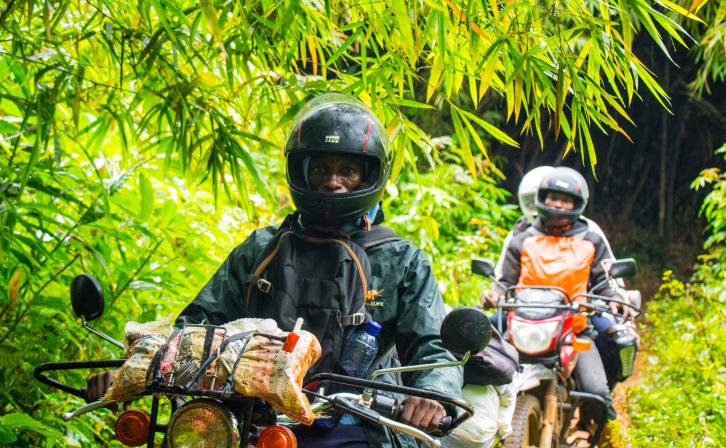
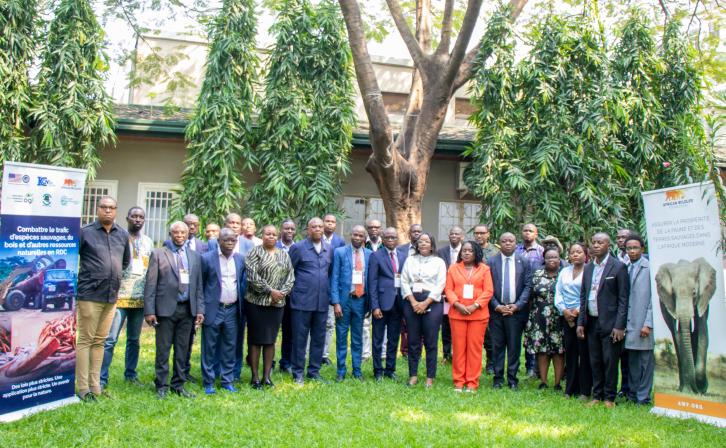
- Supporting anti-poaching law enforcement by strengthening capacity and providing resources, as well as promoting cross-border collaboration
- Developing eco-monitoring systems through training and tools for tracking and spatial analysis
- Infrastructure development in protected areas (operational bases, radio stations, roads, an airport runway, and more)
AWF in Action
Linking Conservation to People’s Well-Being
Learn why conserving Bili-Uélé matters for local people, wildlife, and the global response to climate change.
Infrastructure Support
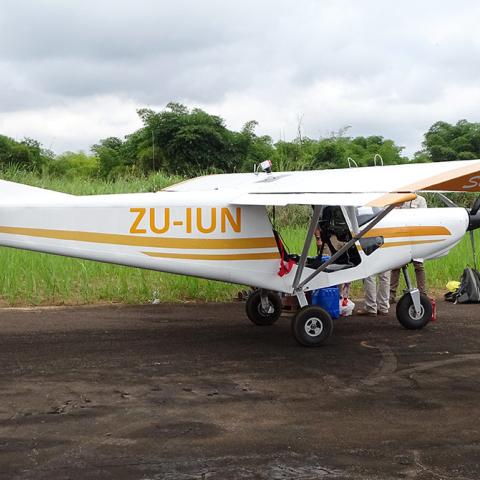
When necessary, we invest to ensure park personnel have access to essentials like operating bases, offices, water supply, electricity, roads, airstrips, and radio systems. This helps protected-area managers respond quickly and efficiently to incursions and other threats to wildlife and habitat.
Linking Conservation with Education
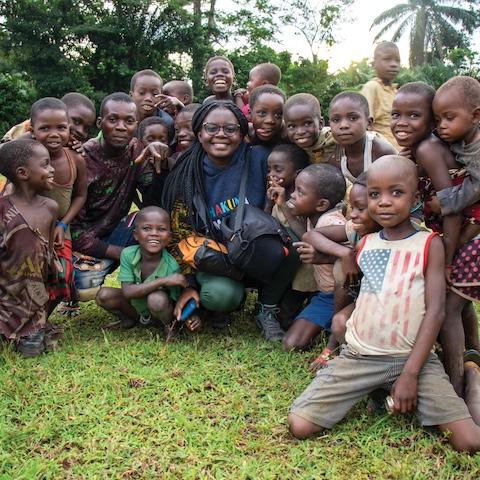
Ilima, a remote village in northern DRC, is in a wildlife corridor between two nature reserves. In 2013, with the support of the Nancy and Charles Wall Family Foundation Fund, AWF constructed a primary school for the village in exchange for conservation commitments from the community. Since opening in 2015, Madina Conservation School has educated 1,400 children in grades 1-6. Students learn why it is important to protect their environment, and they bring this knowledge home, contributing to a community-wide understanding of conservation. Explore how Madina students in the 2023-2024 school year see nature.
Conserving the Congo Basin Rainforest to Benefit the Globe
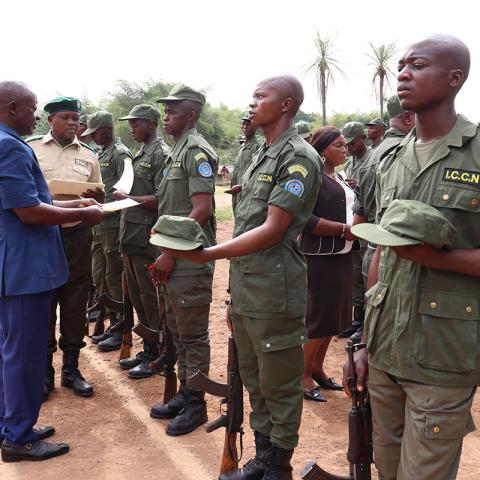
Ramping Up Anti-Poaching and Wildlife Law Enforcement
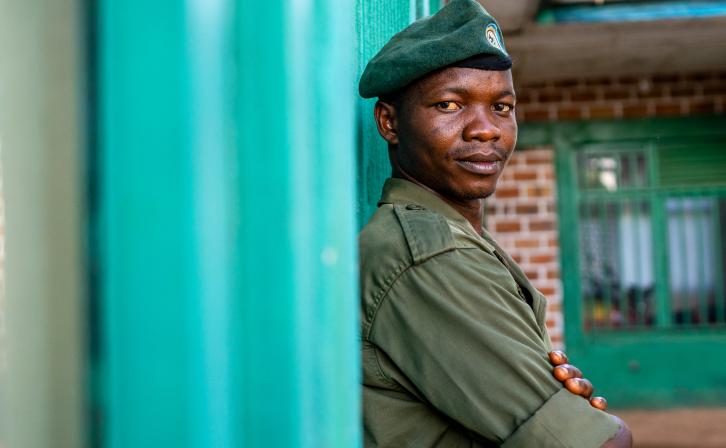
We help keep eyes on the forest, assisting with ranger recruitment and training while providing financial and technical support for patrols. In Bili-Uele, we helped the Institut Congolais pour la Conservation de la Nature (which acts as the country’s wildlife authority) create a rapid-response anti-poaching team of 42 eco-guards.
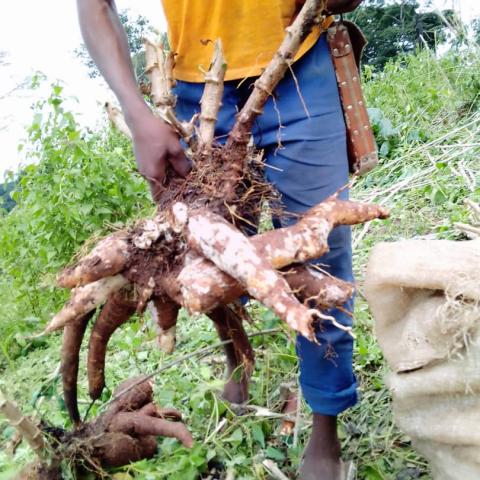
Reducing Unsustainable Agriculture Practices in Bili-Uele
Slash-and-burn agriculture is one of the greatest threats facing this landscape. Starting in 2021, we began a program to sensitize local communities to the benefits of farming sustainability. Farmers are reporting higher yields and a better understanding of why protecting biodiversity is important to their everyday lives.
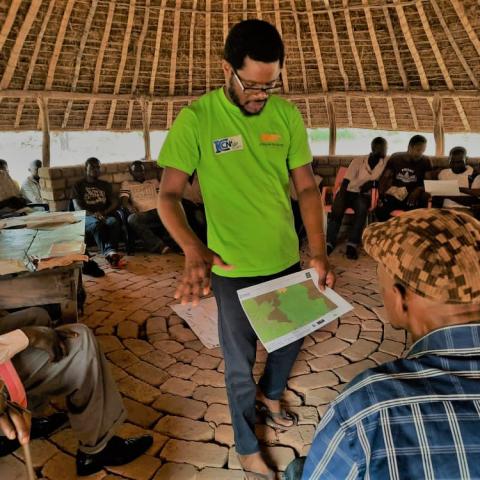
Applying GIS Technology for Conservation Decision-Making
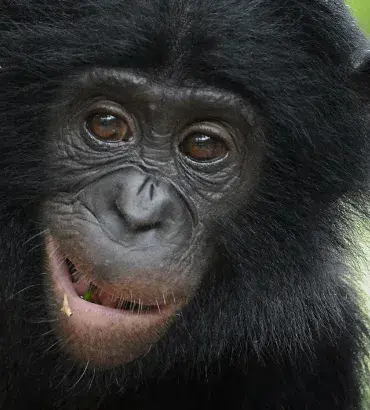
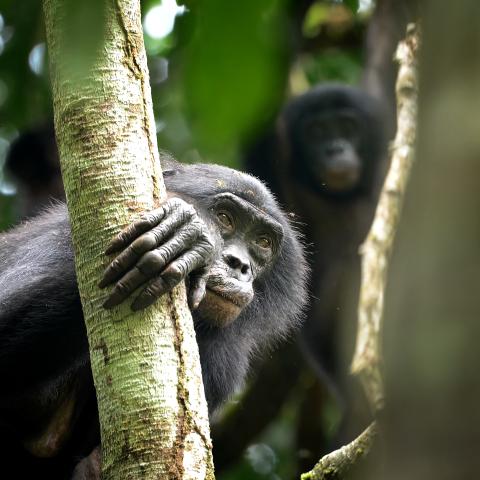
Fragmentation and other threats to bonobo populations—forest conversion to agriculture and roads, as well as human encroachment into forests—can be mapped using long-term satellite imagery. Integrated with detailed information from ground surveys, the spatial data acquired enables us to create models that predict and track pressures on the land such as hunting activity.
We work with the people of Democratic Republic of Congo for wildlife. Our strategic, implementing, and funding partners include:



Wildlife We Are Protecting