Mid-Zambezi Valley
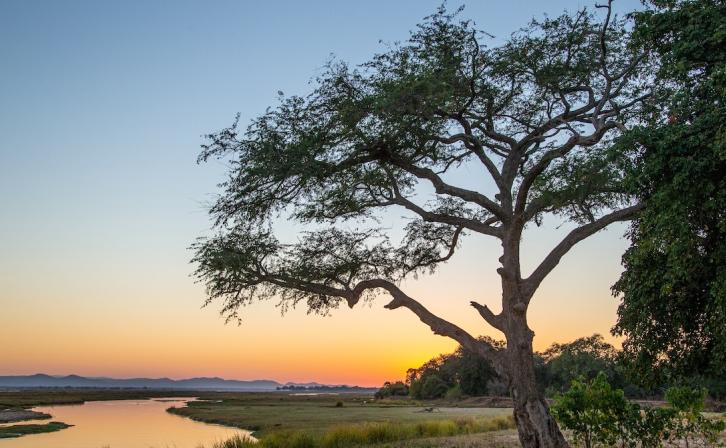
The Zambezi River and its tributaries form the lifeline of this remarkably biodiverse transboundary landscape, which stretches across Zimbabwe into Zambia and Mozambique. Key threats include human-wildlife conflict, climate change, agricultural expansion, human settlement expansion, infrastructure development, poaching, and artisanal mining.
Over the course of a 20-year partnership with Zimbabwe’s wildlife authorities, ZimParks, AWF deployed a holistic approach of conservation and development interventions here, including:
- Investing in protected area infrastructure and building wildlife law enforcement capacity for Mana Pools National Park
- Kickstarting community enterprises and agriculture improvements to create wildlife-friendly livelihoods
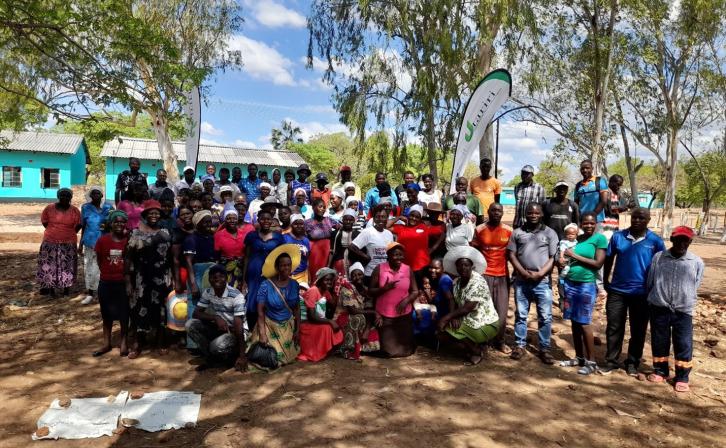
- Collaborating with communities on sustainable, participatory conservation solutions
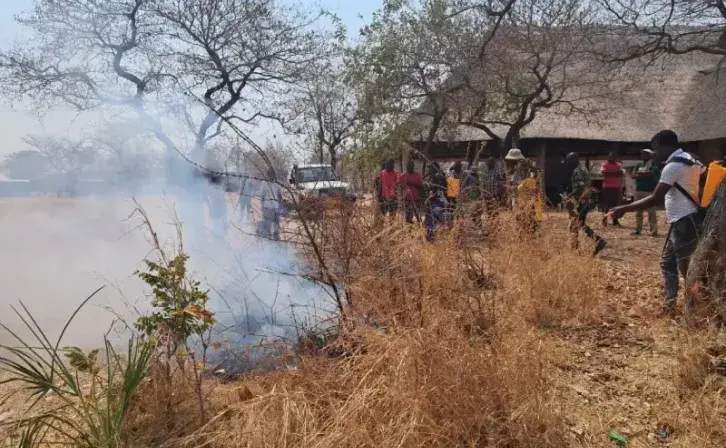
- Helping rangers and community members prevent and respond to human-wildlife conflict
AWF in Action
Mana Pools National Park
AWF provided direct technical and financial support to Mana Pools National Park in the Middle Zambezi Valley from 2016 to 2025. Our work was designed to meet several challenges. Unreliable communication between ranger patrols and their home base left rangers vulnerable and less effective; park infrastructure, equipment, and technical training were lacking; and communities felt excluded from conservation activities.
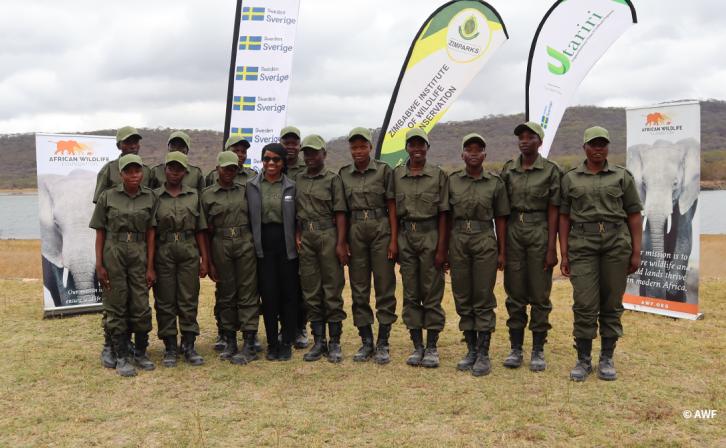
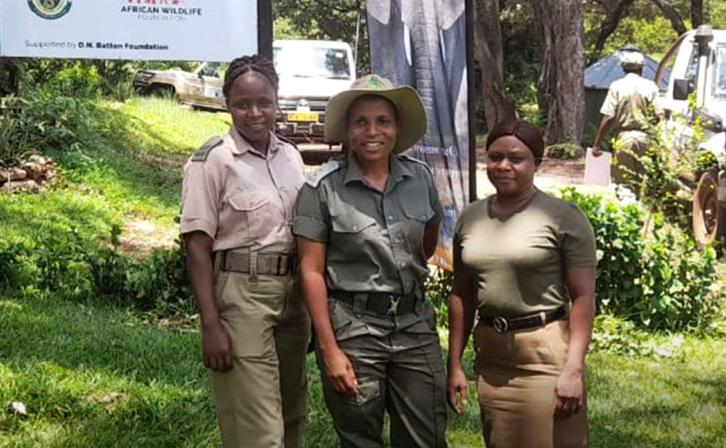
Through a combination of anti-poaching and human-wildlife coexistence strategies, ranger and community scout training, and investments in essential infrastructure and equipment, AWF supported Zimparks in increasing wildlife security in the park and surrounding areas.
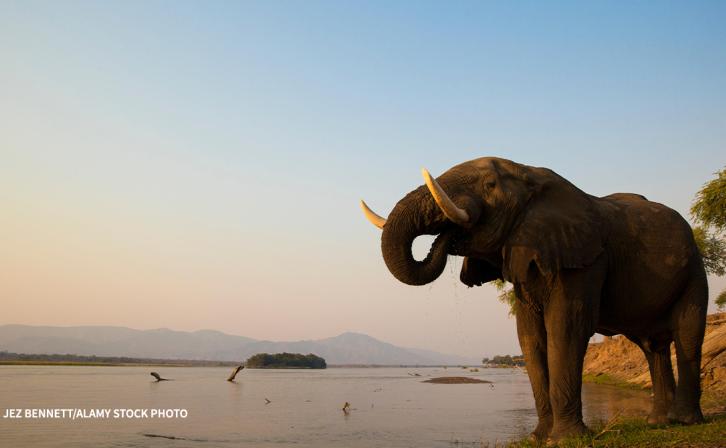
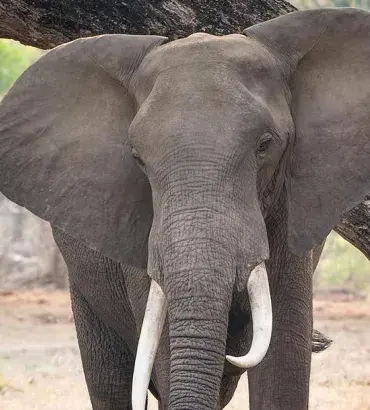
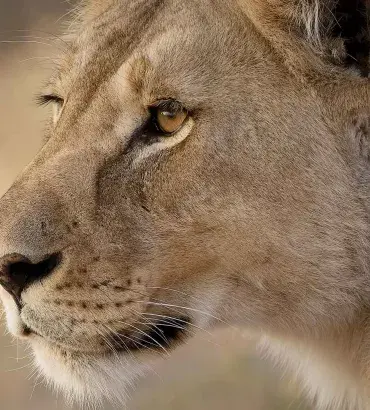
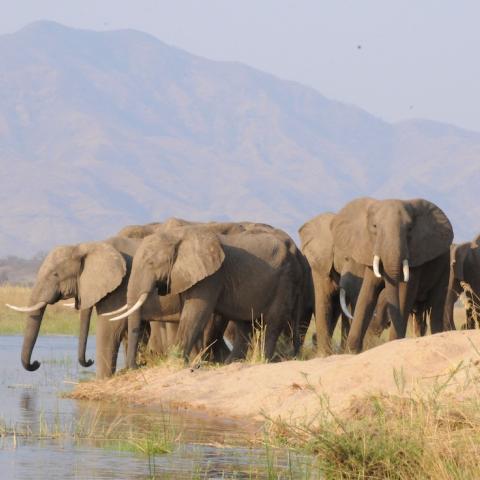
- Poaching declined, with the elephant population increasing and the lion population stable.
- Infrastructure was updated and modernized by AWF.
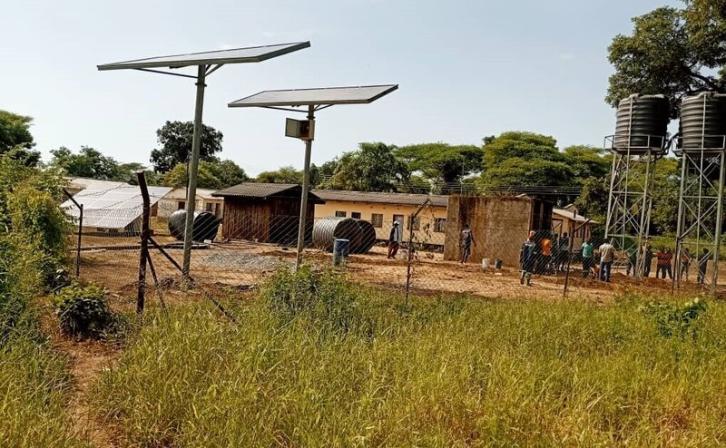
- Access to fresh water at key locations in the park and the surrounding communities was improved.
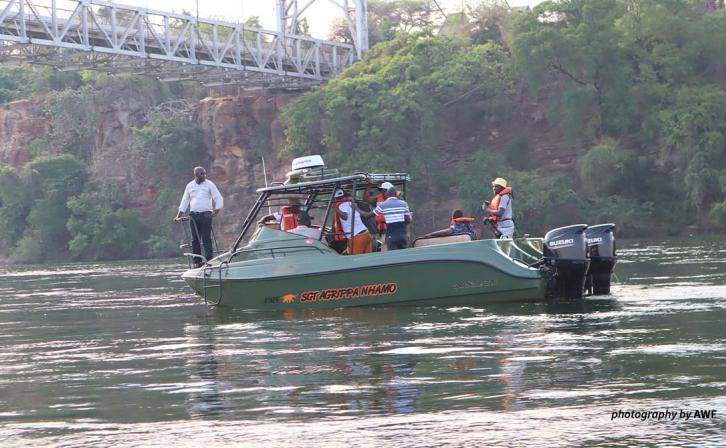
- Cross-border meetings and joint river patrols increased collaboration between Zimbabwe and Zambia, which is central to the ongoing success of transfrontier conservation.
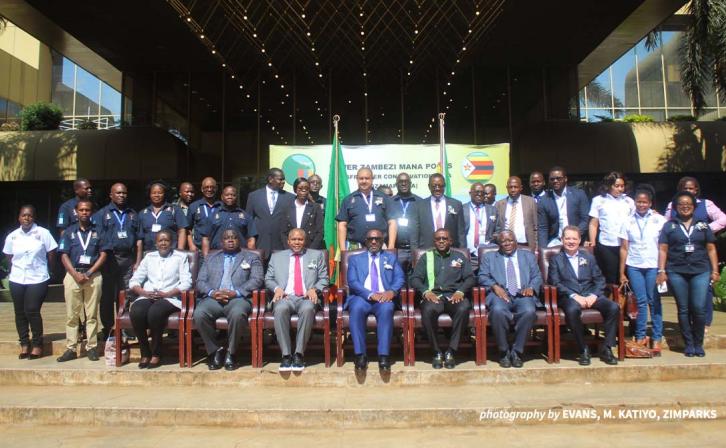
- Stakeholder forums with traditional leaders, Zimparks, rural district councils, NGOs, and the private sector, among others, created pathways to curb poaching, improve community relations with wildlife authorities and encourage positive human-wildlife coexistence with elephants, lions and other wildlife species.
Infrastructure in the Park
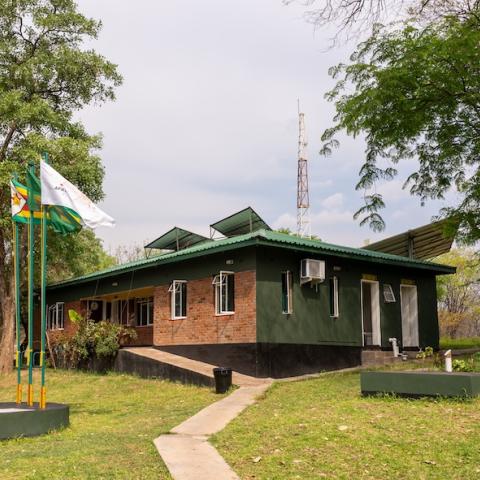
AWF supported infrastructure improvements in Mana Pools National Park, upgrading ranger outposts, including a complete modernization and rebuild of Camp D, the main anti-poaching operations outpost on the Zambezi river. The renovation brought solar-powered electricity, comfortable sleeping berths and toilets, and radio communications to what was once a dilapidated shack.
Other projects included installing radio towers to enable communication across 5,500 km2, covering three protected areas in the landscape including the entirety of the park (2,196 km2); building the park’s only local repair facility for ranger vehicles; and staffing the facility with a trained mechanic. Previously, a costly trip to Harare, four hours away, was the only option when a vehicle needed maintenance.
Creating Opportunities for People
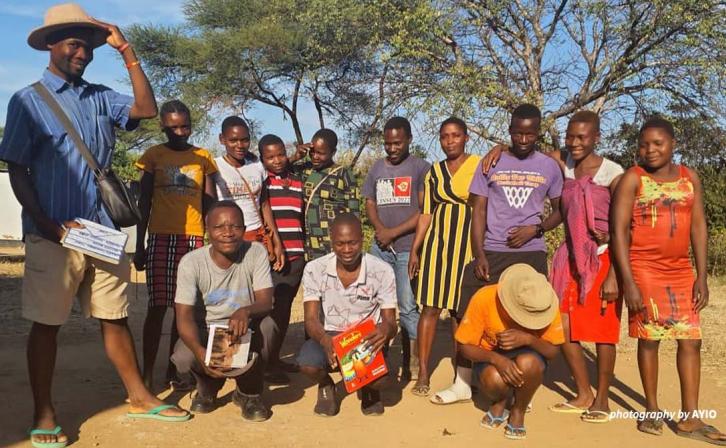
Outside of Mana Pools National Park, AWF built stakeholder partnerships and supported sustainable livelihood activities. Communities were empowered through conservation-based employment opportunities, improved human-wildlife coexistence tactics, access to fresh water, and support for nature-based businesses. We also encouraged transboundary collaboration and dialogue by convening stakeholders across the landscape to develop a common vision and devise strategies for conservation and sustainable development, first in 2000 and more recently in 2022. One result of this work was the 2020-2030 Mbire District land use plan in 2020.

Demonstrating Commitment to Rangers and Scouts
When the COVID-19 pandemic locked down the world in 2021, ecotourism in Africa declined sharply. Many parks and protected areas, already cash-strapped, could not pay rangers or provide them with basic essentials. AWF made a critical decision at the time: we would continue to support partners on the front lines of conservation. In the Middle Zambezi Valley, AWF provided rangers and community scouts with food rations, fuel for anti-poaching patrols, personal protective equipment, and living allowances when other avenues of funding were unavailable. This support ensured the continuation of anti-poaching patrols and timely responses to human-wildlife conflict during the national lockdown.