Tanzania
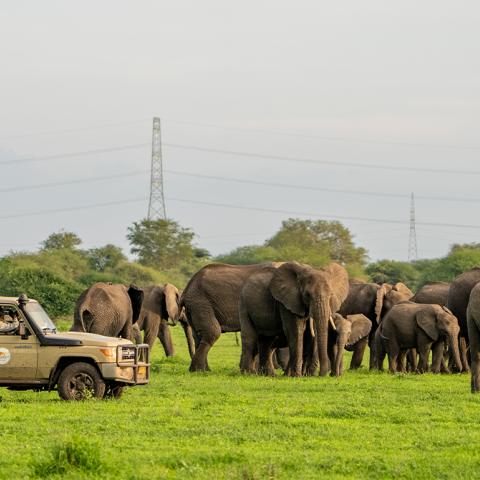
Overgrazing by livestock, shifting cultivation, human-wildlife conflict (HWC), and poaching are some of the most serious threats to wildlife and habitat in Tanzania. We operate at the local and national levels to help Tanzanians safeguard biodiversity and implement solutions that offer wins for nature and people.
Our work in three critical landscapes is multi-faceted, reflecting the diversity of challenges and opportunities at hand. Activities include:
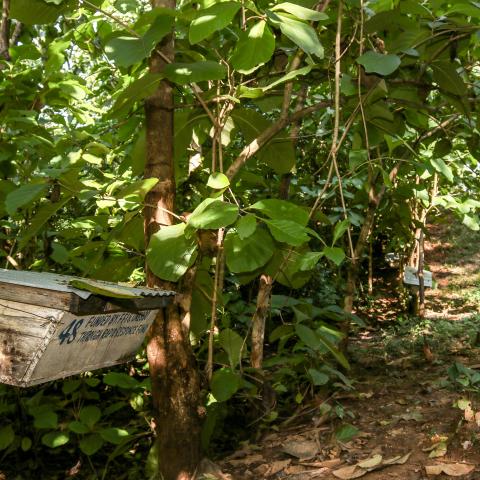
- HWC interventions that protect crops, prevent retaliatory attacks on wildlife, and save lives
- Support for restoration and conservation of habitats
- Counter-wildlife-trafficking efforts, including support for cross-border collaboration to fight poaching
- Support for environmental monitoring through training and provisions in state-of-the-art technology
- Sustainable agriculture solutions that make economies work for nature
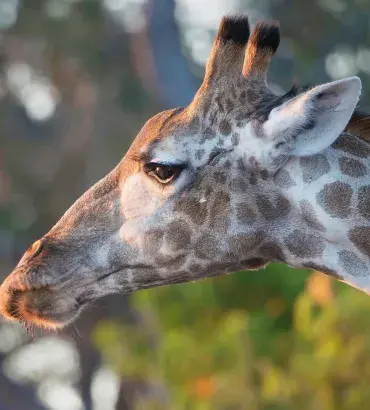
- Livestock extension services that help integrate Manyara Ranch—a critical wildlife corridor and giraffe breeding ground—into the life of the community
AWF in Action
Restoring Ecosystems & Managing Landscapes
To stop and reverse habitat loss, we work with protected-area authorities to strengthen their management of protected areas by equipping them with equipment, tools, and training in best practices. We also help to establish and support the management of community conservancies and community forests. Many of these community conservation areas protect wildlife corridors—natural areas that allow wildlife to travel from one habitat to another—which are crucial for seasonal wildlife movement or adapting to the effects of climate change. Creating these areas involves participatory, inclusive land-use planning, robust local governance, and sustainable and prosperous community livelihoods strategies. The end results are intact ecosystems that can provide essential ecosystem services and are more resilient to climate change.
Easing Human-Wildlife Conflict
Collaborating on Anti-Poaching
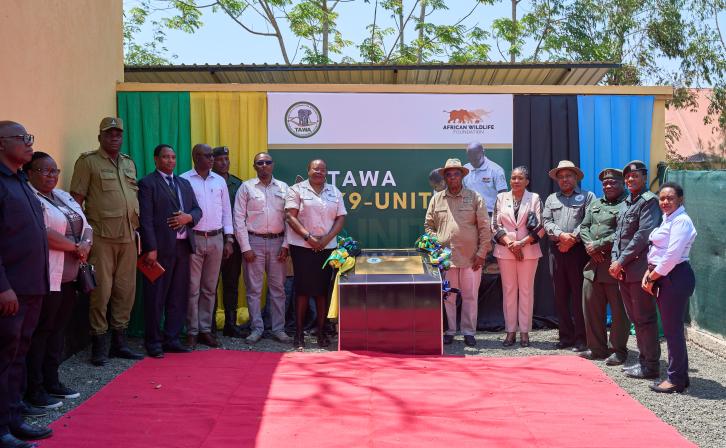
To support governments in combating transboundary poaching, we have facilitated cross-border coordination among anti-poaching forces. Ranger teams from Tanzania and Kenya participate in concurrent patrols guided by intelligence information. With more robust sharing of information and tactics, forces are more effective at targeting and deterring illegal activity. In 2022, we opened a canine facility in Mkomazi National Park, where we have established a tracker-dog unit that investigates and deters poaching.

Improving Wildlife Crime Enforcement
We strengthen the work of law enforcement agencies through training in emerging wildlife-crime trends, proper evidence handling, financial crimes, digital forensics, and other topics. We also monitor court cases in the cross-boundary Tsavo-Mkomazi landscape to address logistical and other challenges that can stymie the progress of a case.

Agricultural Solutions that Work for Nature
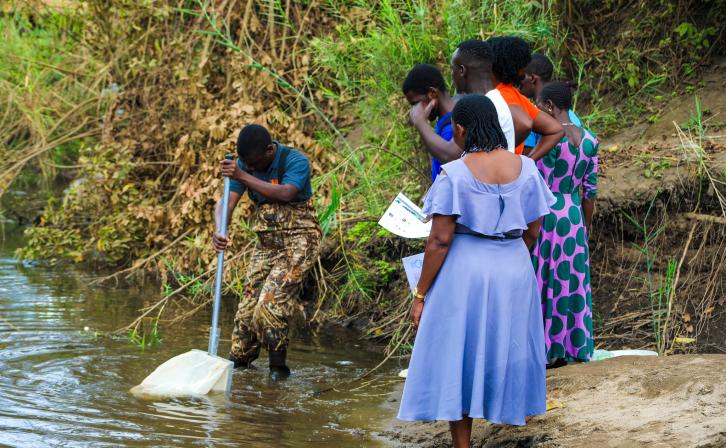
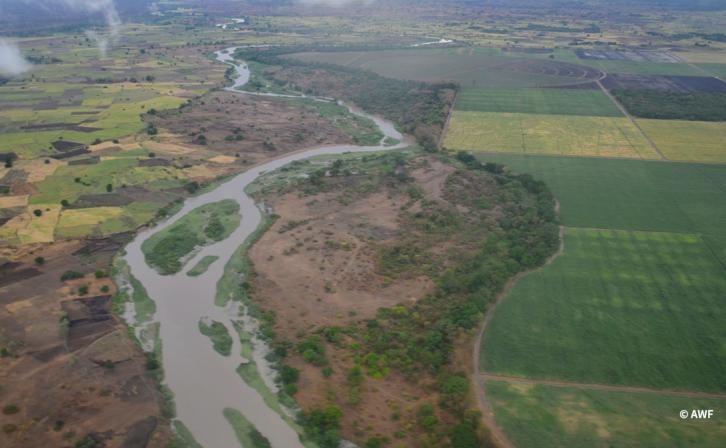
In Kilombero Valley, AWF partners with local communities and commercial agricultural producers in the Southern Agriculture Growth Corridor of Tanzania. We help communities with land-use planning; expand farmers’ use of ecologically and economically viable production technologies while improving water quality and catchment management; improve farmers’ access to financial institutions and markets; and help families diversify incomes to develop resilience to climate change’s impacts.

A Resurgence of Wildlife in Manyara Ranch
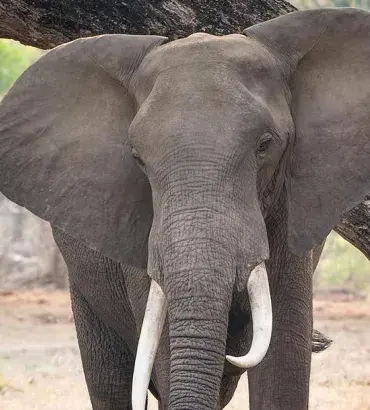
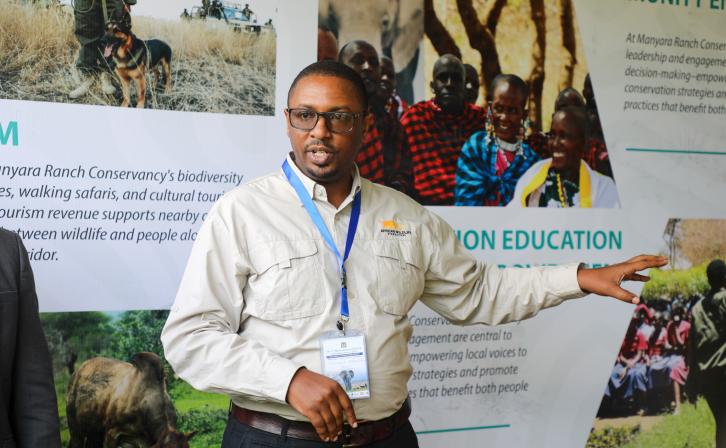
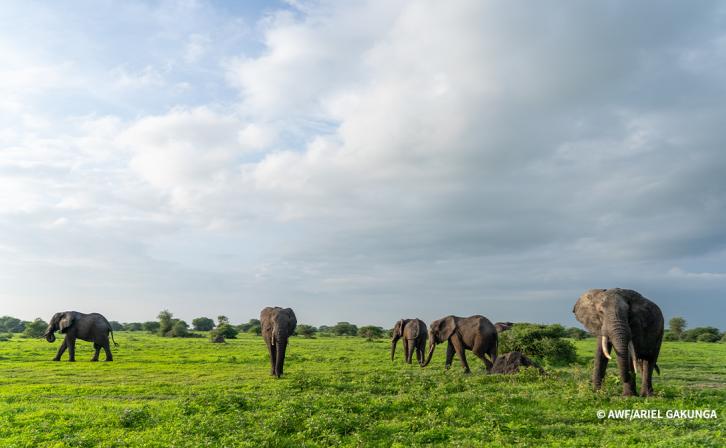
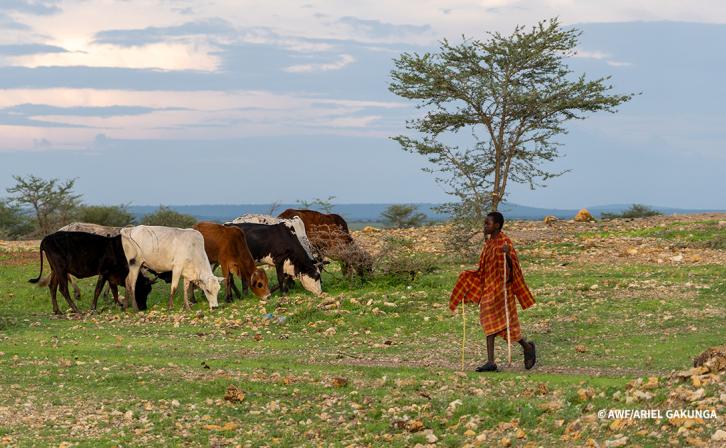
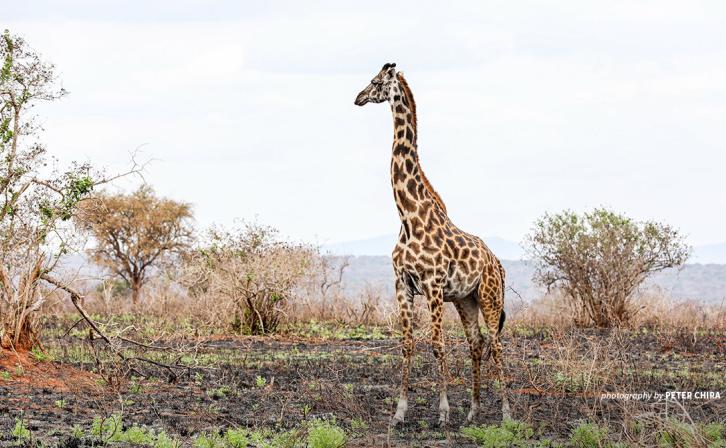
The Manyara Ranch Conservancy serves as a vital corridor between Lake Manyara National Park and Tarangire National Park and is also an important giraffe nursery. When we started working in this landscape in 2014, it was ravaged by overgrazing and poaching. Through our efforts, it’s become a thriving habitat for elephants, giraffes, and other species. Today, the Ranch is a model mixed-use conservancy that maintains a herd of more than 800 Boran cattle—a use that supports conservation activities as well as the Ranch’s outreach to local Maasai herders.

We work with the people of Tanzania for wildlife. Our strategic, implementing, and funding partners include:
Wildlife We Are Protecting