Conservation tourism turns wildlife into a local asset

  • Spread the word

Conservation Tourism

Gallery
  • Ngoma Lodge Becky Walter
  • Ngoma Lodge Becky Walter
  • Ngoma Lodge Becky Walter
  • Ngoma Lodge Ngoma Safari Lodge
  • Ol Lentille Lodge Paul Joynson-Hicks
  • Ol Lentille Lodge Paul Joynson-Hicks
  • Ol Lentille Lodge Paul Joynson-Hicks
  • Sabyinyo Silverback Lodge Governors Camp Collection
  • Sabyinyo Silverback Lodge Craig R. Sholley
  • Sabyinyo Silverback Lodge Governors Camp Collection
  • Sabyinyo Silverback Lodge AWF
  • Satao Elerai Lodge Philip Muruthi
  • Satao Elerai Lodge Philip Muruthi
  • Satao Elerai Lodge Philip Muruthi
  • Satao Elerai Lodge Charles Grieves-Cook
  • Chiawa Cultural Village Craig R. Sholley
  • Chiawa Cultural Village Craig R. Sholley
  • Chiawa Cultural Village
  • Chiawa Cultural Village Craig R. Sholley
  • Esilalei Women's Cultural Boma Mohamed Hashim
  • Esilalei Women's Cultural Boma Mohamed Hashim
  • Esilalei Women's Cultural Boma Amy Rizzotto
  • Esilalei Women's Cultural Boma Mohamed Hashim
  • Uganda Biodiversity Through Tourism Philip Muruthi
  • Uganda Biodiversity Through Tourism Craig R Sholley
  • Uganda Biodiversity Through Tourism Charles Steinberg
  • Conservation Tourism Manyara Ranch Conservancy
  • Conservation Tourism Manyara Ranch Conservancy
  • Conservation Tourism  Stephen Ham
Overview

The world can come admire Africa’s wildlife with their own eyes.

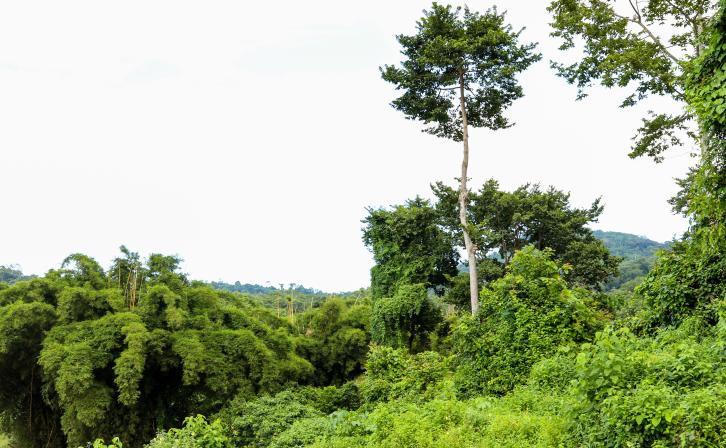
Africa is well-known for its diverse wildlife. But, most people have only seen it on their high-definition televisions. With the creation of conservation tourism, people from all over are flocking to Africa to see the planet’s most stunning wildlife in its own natural habitat. As a result, Africa’s wildlife is driving business, safeguarding wildlife, and contributing to a brighter future for all of Africa.

Challenges

Wildlife is not a threat to communities, but a part of their prosperity.

Many communities view wildlife as a threat to their livelihoods. Wildlife tends to wander beyond park boundaries and raid crops they would normally eat or sell.

Many will hunt wildlife to protect their land. Still, others poach and participate in wildlife trafficking to earn an income. Making communities realize the benefits of conserving wildlife is one of our biggest challenges.

Solutions

African Wildlife Foundation is helping tourists experience the beauty of Africa’s wildlife while supporting the economy and nature preservation efforts of local communities by:

  • Developing successful ecotourism lodges throughout Africa.

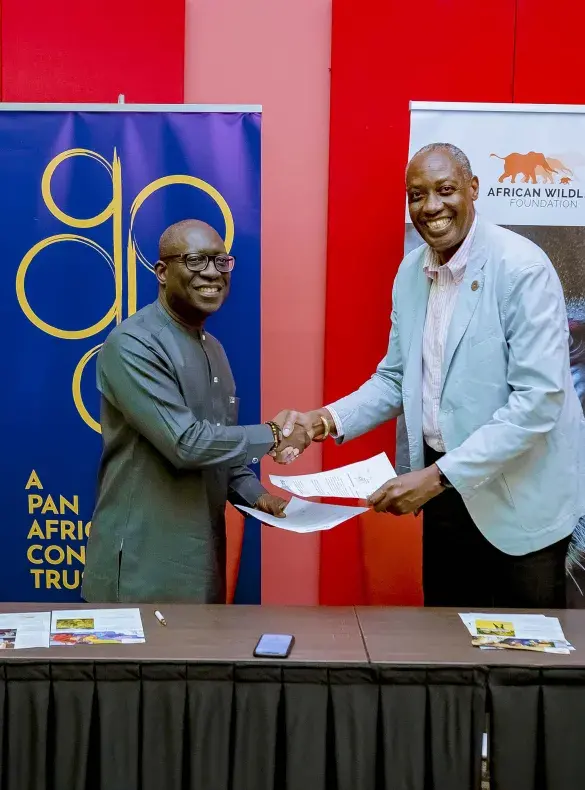
    AWF has a great deal of credibility within local communities, which helps us show them the economic benefits of attracting tourism and protecting wildlife. AWF has created a successful process of developing and brokering eco-lodges between communities and experienced private operators. While both provide funding, the community owns the land and lodge, and the operator is responsible for running it. The operators then lease the land from the community and agree to pay a percentage of all revenue earned, creating incentives for communities to protect area wildlife.

  • Preserving a critical wildlife corridor with the creation of Manyara Ranch.

    Located in Northern Tanzania, Manyara Ranch rests in a critical central location between Tarangire and Lake Manyara National Parks that spans 44,000 acres. About a decade ago, the migration route that connects the two began disappearing.

    To stop these threats, AWF established the Tanzania Land Conservation Trust (TLCT), a nonprofit working to acquire critical wildlife areas threatened by private developments. Manyara Ranch became the first property acquired by TLCT and, thanks to community presence on the TLCT board and local involvement in protecting the newly created conservancy, is a successful example of how communities can benefit from wildlife conservation outside of protected areas. 

  • Creating a partnership for Sabyinyo Silverback Lodge in Rwanda.

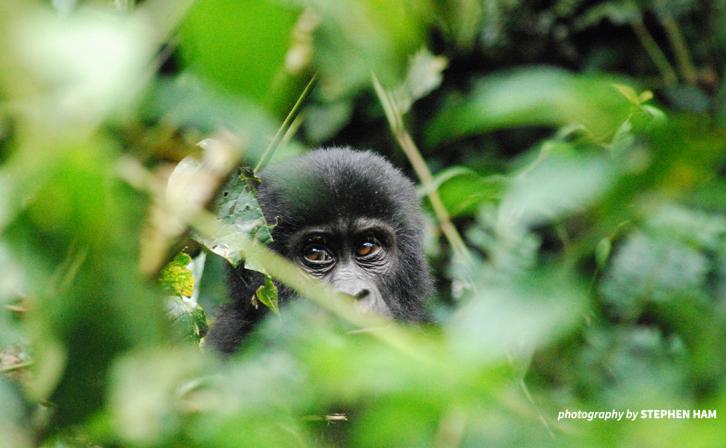
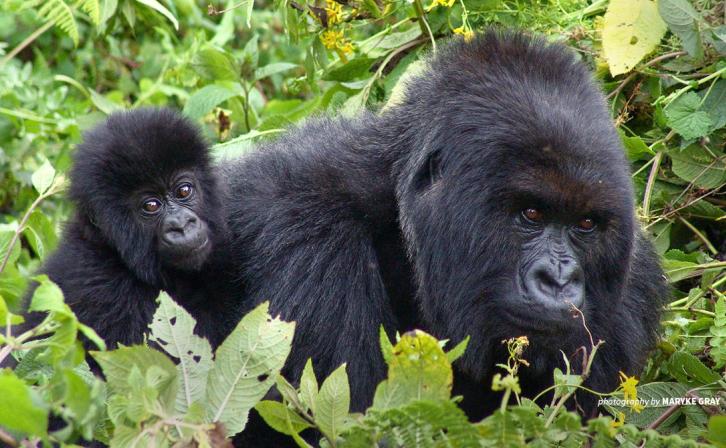
    Featured on Condé Nast Traveler's The Hot List 2008, this five-star lodge in the Virunga Mountains is adjacent to the breathtaking Volcanoes National Park. Based on gorilla tourism, Sabyinyo Silverback Lodge was made possible through a partnership facilitated by AWF, a private-sector operator, and communities represented by Sabyinyo Community Livelihoods Association (SACOLA). The lodge continues to generate revenue for communities while simultaneously protecting gorillas. 

  • Providing jobs and elephant conservation with Ngoma Lodge.

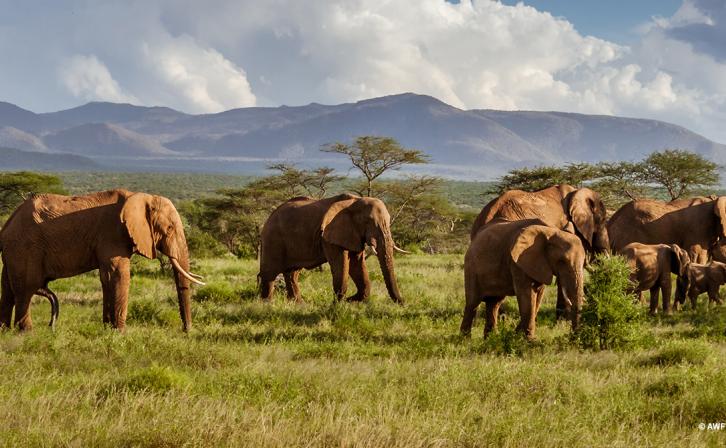
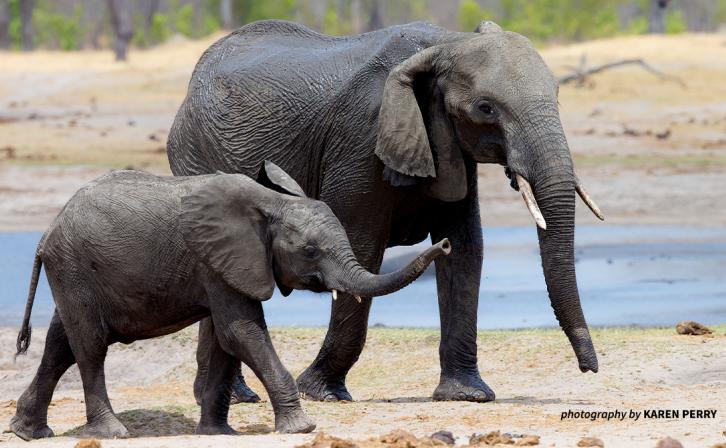
    Situated along the Chobe River on the edge of Chobe National Park, Ngoma Lodge is a five-star luxury resort in the Kazungula Heartland. It is the first of its kind in Botswana. AWF supported the partnership between the Chobe residents and Muchenje Safaris, an experienced safari operator. AWF also created a management plan to identify conservation and poverty-reduction opportunities. Chobe National Park is home to a large elephant population, and the community efforts associated with the lodge are helping reduce poaching. 

Projects

Explore some of our related projects:

  • Lomako Conservation Science Center
    Research and solutions for bonobo populations

    Loss of habitat and a skyrocketing bushmeat trade have taken a toll on bonobo populations.

    According to the International Union for Conservation of Nature’s (IUCN’s)...

    Read more
    All Projects

  • Grootberg Lodge
    Community-driven eco-tourism in Namibia

    Namibia still faces eco-challenges.

    Despite being at the forefront of conservation in Africa, Namibia still faces issues of poverty and habitat loss. Human-wildlife...

    Read more
    All Projects

  • Iyondji Community Bonobo Reserve
    A new community reserve for the endangered bonobo

    Bonobos in danger. 

    One of the greatest threats to wildlife in the Democratic Republic of Congo (DRC) is loss of habitat due to land conversion, human encroachment, and...

    Read more
    All Projects

  • Uganda Tourism for Biodiversity
    Improving tourism and biodiversity across the country

    Uganda has a wide range of tourism assets. 

    Uganda boasts a wealth of biodiversity that could easily be used for tourism purposes. Uganda’s economy today relies...

    Read more
    All Projects

  • Great Fish River Rhino Conservation
    Protecting black rhinos in South Africa

    More than 75% of the world’s rhino population lives in South Africa.

    Black rhinos are classified as critically endangered by the International Union for Conservation of...

    Read more
    All Projects

Get Involved

Become a member

Join African Wildlife Foundation as a member for just $25. Your partnership is vital to our mission to protect Africa’s most precious - and imperiled - creatures.

Join Now

  • Spread the word