How We Work
Strengthening Conservation Through Science
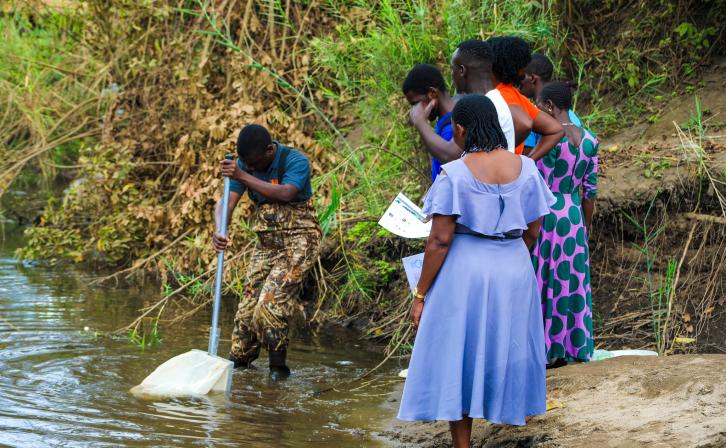
We are working with the Rwanda Development Board and the Dian Fossey Gorilla Fund to introduce environmental DNA (eDNA) monitoring in Volcanoes National Park through the TUI Wildlife Programme, supported by the TUI Care Foundation. By analyzing genetic traces found in water and soil, Rwandan conservation professionals can detect a wider range of species and changes in ecosystem health that traditional monitoring may miss.

Climate Change
Africa is key to addressing climate challenges, and protecting nature is an important part of delivering on global adaptation and mitigation goals. By placing nature and conservation values at the core of economic transformation, Africa can lead the way to a more sustainable future through green economies that decouple economic growth and resource consumption. This is important for the long term, as under business-as-usual scenarios Africa is poised to become a much greater carbon emitter. More important, though, is the urgency of delivering climate-resilient pathways to growth for communities on the front lines of the effects of climate change. This means helping them use nature-based solutions to adapt to instability caused by extreme weather, drought, and changing planting zones.
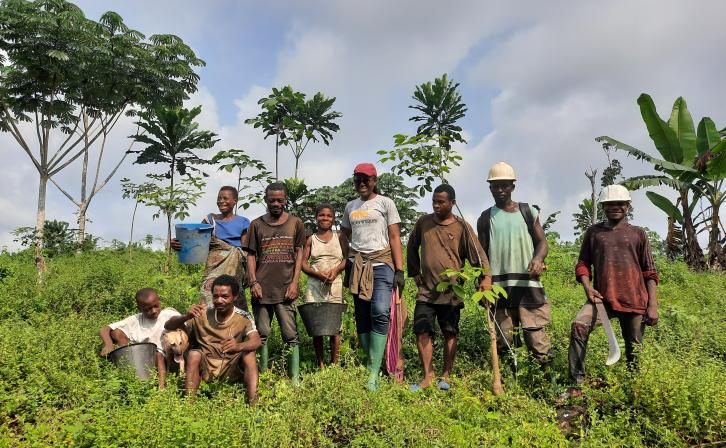
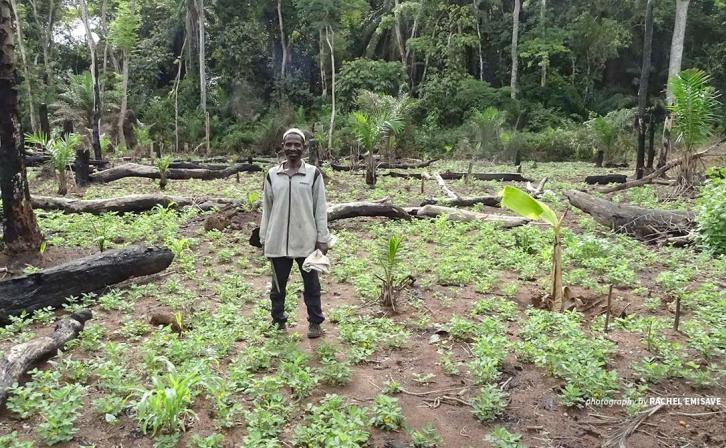
Conservation activities like agroforestry, reforestation, and sustainable land-use planning build community resilience to the effects of climate change and can help to sequester carbon. These activities also deliver other benefits, such as increasing food security, promoting healthy soil, and reducing poverty. Building biodiversity-positive economies and supporting sustainable livelihood training and payment for ecosystem services helps communities sustainably manage forests, watersheds, and the other natural systems we need to survive in the face of climate change.
AWF pursues a range of climate adaptation interventions on the ground across our landscapes, including in the DRC, Cameroon, and Rwanda. This work informs our engagements with leaders at the national, continental, and global levels, where we promote solutions to climate change and build networks that scale our climate message.
Restoring Ecosystems & Managing Landscapes
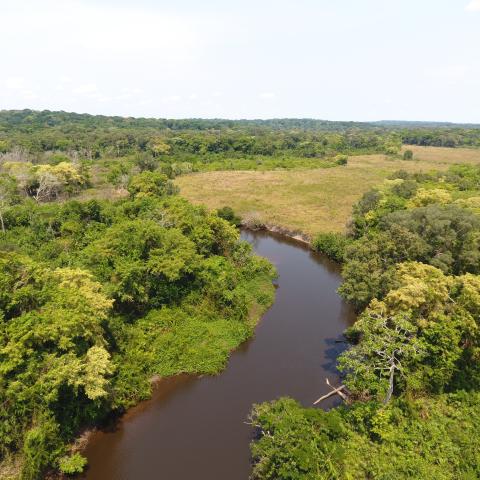
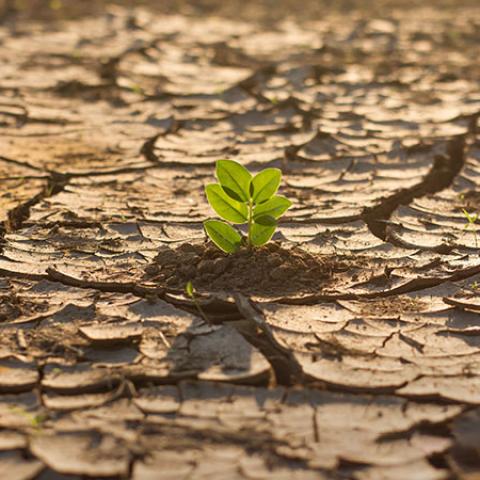
To stop and reverse habitat loss, we work with protected-area authorities to strengthen their management of protected areas by equipping them with equipment, tools, and training in best practices. We also help to establish and support the management of community conservancies and community forests. Many of these community conservation areas protect wildlife corridors—natural areas that allow wildlife to travel from one habitat to another—which are crucial for seasonal wildlife movement or adapting to the effects of climate change. Creating these areas involves participatory, inclusive land-use planning, robust local governance, and sustainable and prosperous community livelihoods strategies. The end results are intact ecosystems that can provide essential ecosystem services and are more resilient to climate change.
Negotiating Space for Wildlife
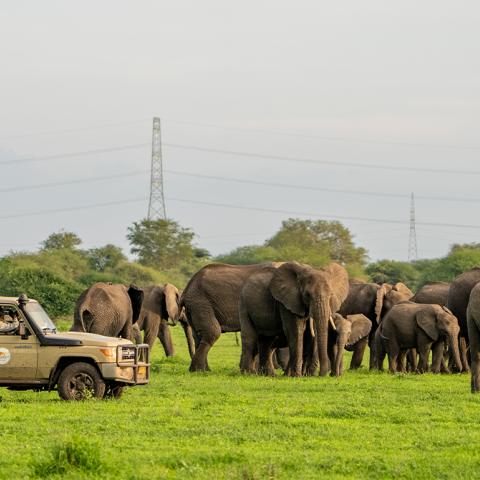
In approaching landscape-level conservation, we identify targets ranging from the number of endangered species in a landscape to the presence of ecosystem services like clean water. How those targets are distributed guides how the landscape is divided into functional zones—with solutions shaped by communities and other stakeholders through collaborative planning. Locally-led solutions are key to stabilizing and increasing wildlife populations in the long term.
Using data from patrols, ecological monitoring, remote sensing, and satellite imagery, we develop land-use models and apply geographic information systems (GIS) to help local people make sustainable decisions about how to use the land, from conservation planning to development choices. This way, communities reap the rewards of nature without overexploiting it, and both people and wildlife have the space they need to thrive.