How We Work
Partnering for Impact
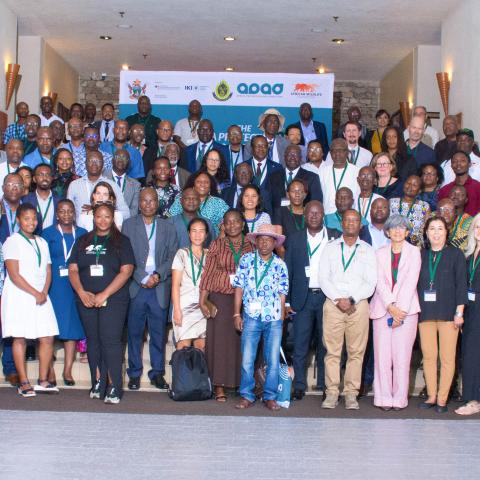
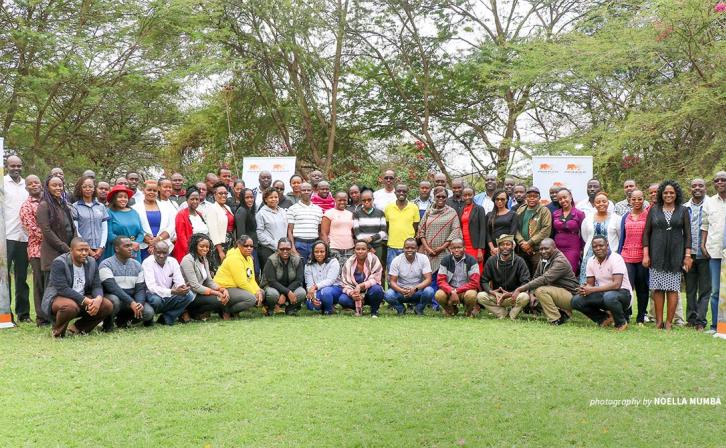
Partnering for impact is crucial in addressing the complex and interconnected challenges of conservation. Partnership allows us to combine strengths and share responsibilities with other organizations as we work together towards common goals. This ultimately leads to more significant and sustainable positive outcomes for nature and people. To that end, we work with strategic partners across our landscapes and beyond so that people and wildlife can thrive.
Our Strategic Partners:
- African Leadership University
- African Natural Capital Alliance
- African Union
- Business for Nature
- Congo Basin Forest Partnership
- Conservation Finance Alliance
- Conservation Strategy Fund
- Ecole de Faune de Garoua
- Global Impact Investing Network
- Global Youth Biodiversity Network – Africa
- International Conservation Caucus Foundation
- Mweka College
- NEWF
- Peace Nexus Foundation
- UN Environment Programme
- Wildlife Clubs of Kenya
Investing in People
Conservation success in Africa requires people who have the skills and insights necessary to protect biodiversity, address climate change, build ecological resilience, and foster green development.
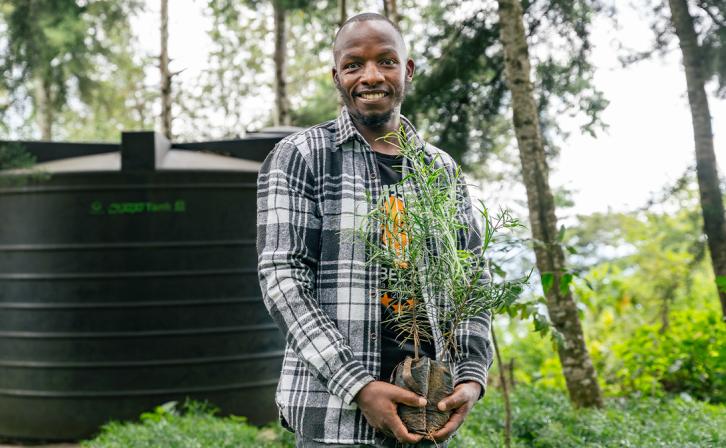
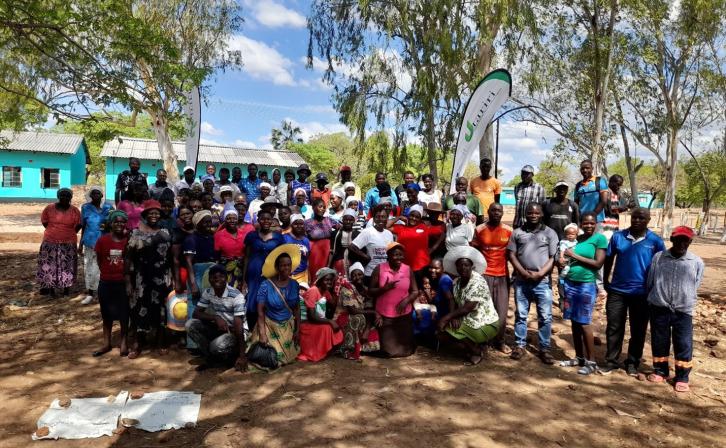
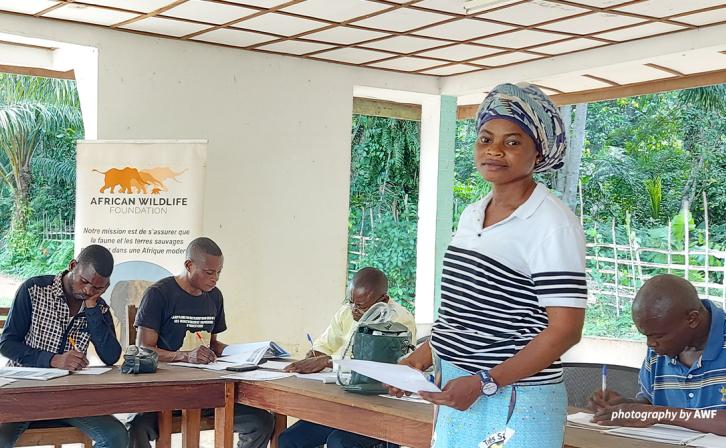
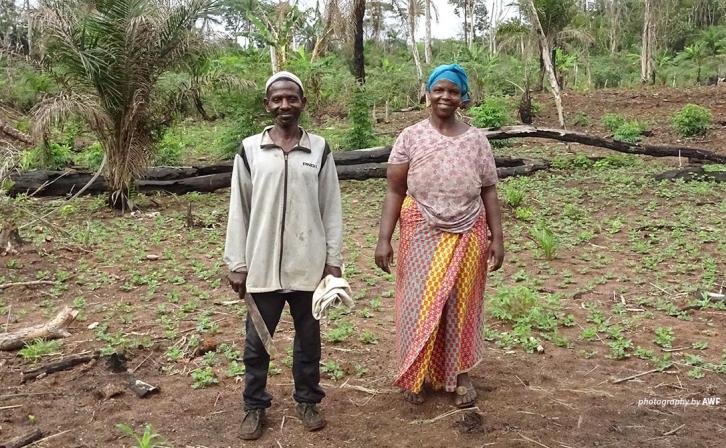
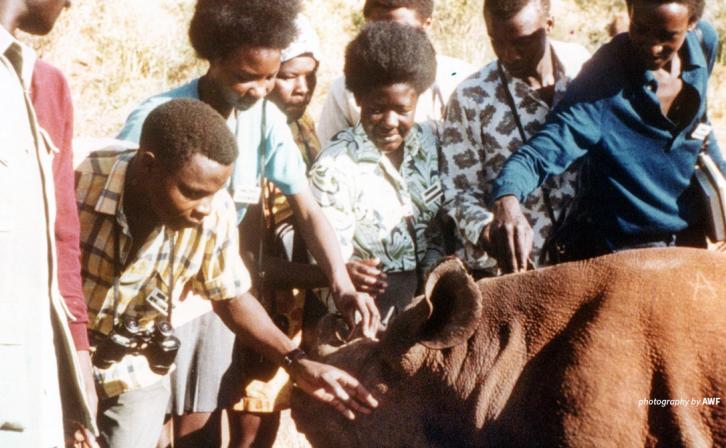
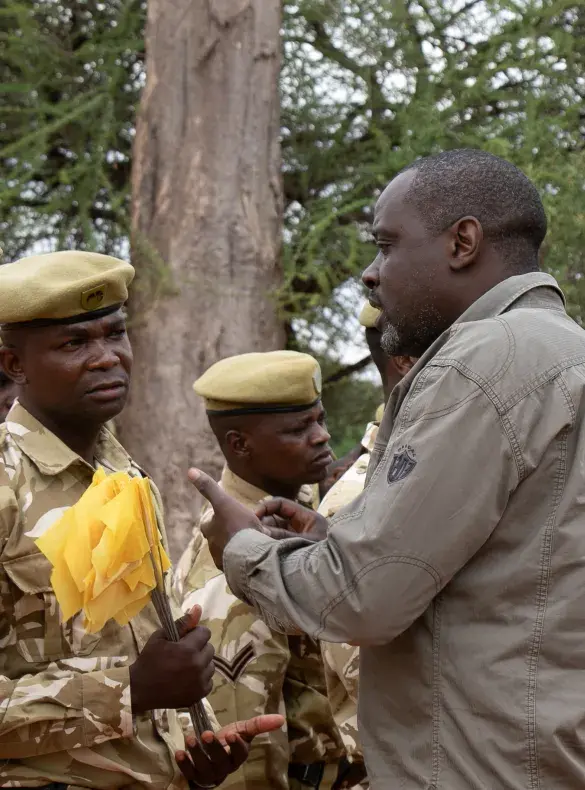
Over our 60-year history, we have directly cultivated African conservation professionals’ career development through fellowships, scholarships, and internships. In addition, we support training in sustainable livelihoods for community members in our landscapes; training and technical support for government rangers, wildlife authorities, and community scouts; and training for rangers, prosecutors, judges, and investigators in detecting, deterring, and prosecuting wildlife crime. We also provide grants and training to small business owners and entrepreneurs contributing to biodiversity economies (income-generating activities tied to conserving nature or using it sustainably).
Finally, we work with school-age children and wildlife clubs in wildlife-rich communities across Africa to ensure a quality education—including an understanding of the value of conservation. For decades, we have been supporting youth to build power for conservation through wildlife clubs.
Building Networks
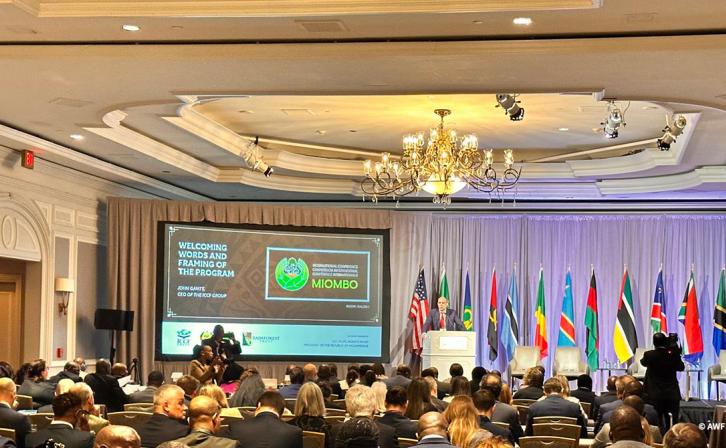
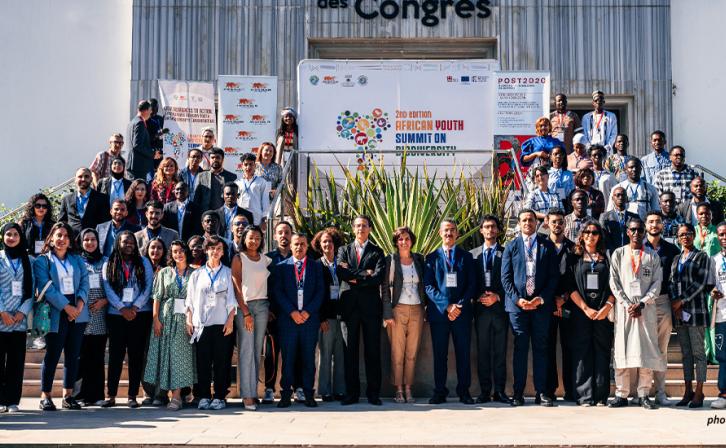
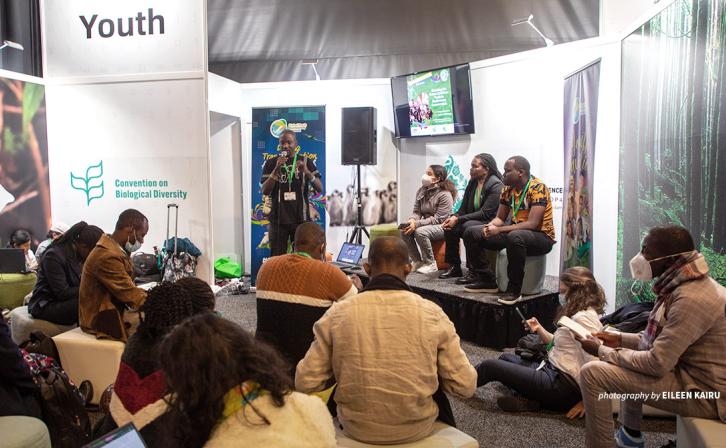
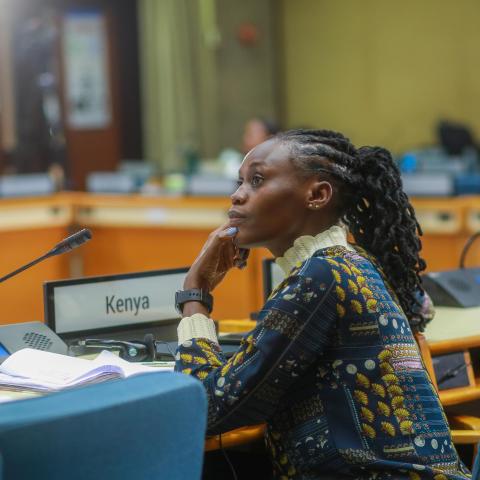
Biodiversity loss and climate change are urgent global crises—and they necessitate collective and coordinated efforts to address them. We organize conservation movements made up of diverse stakeholders from the grassroots to the global level, all working collaboratively to conserve biodiversity and address climate change while supporting sustainable development. The key to change is a strong network of young people, civil society, Indigenous peoples, and local communities that participate in decision-making and shape policies that advance an African conservation agenda. To that end, we empower African stakeholders to come to the table to share perspectives and articulate their interests—and reshape the conversation as necessary.
We support, and in some cases have helped to establish, networks like the African Civil Society Biodiversity Alliance (ACBA), the Africa Protected Area Directors (APAD), and the Global Youth Biodiversity Network - Africa. These networks have become influential platforms for driving Africa’s conservation agenda and linking it to political and economic decision-making. Besides championing these networks in policy negotiations and other forums, we provide them with frameworks for accountable and transparent governance to ensure they are led responsibly from within.