Building a Biodiversity Economy Along the Lobito Corridor
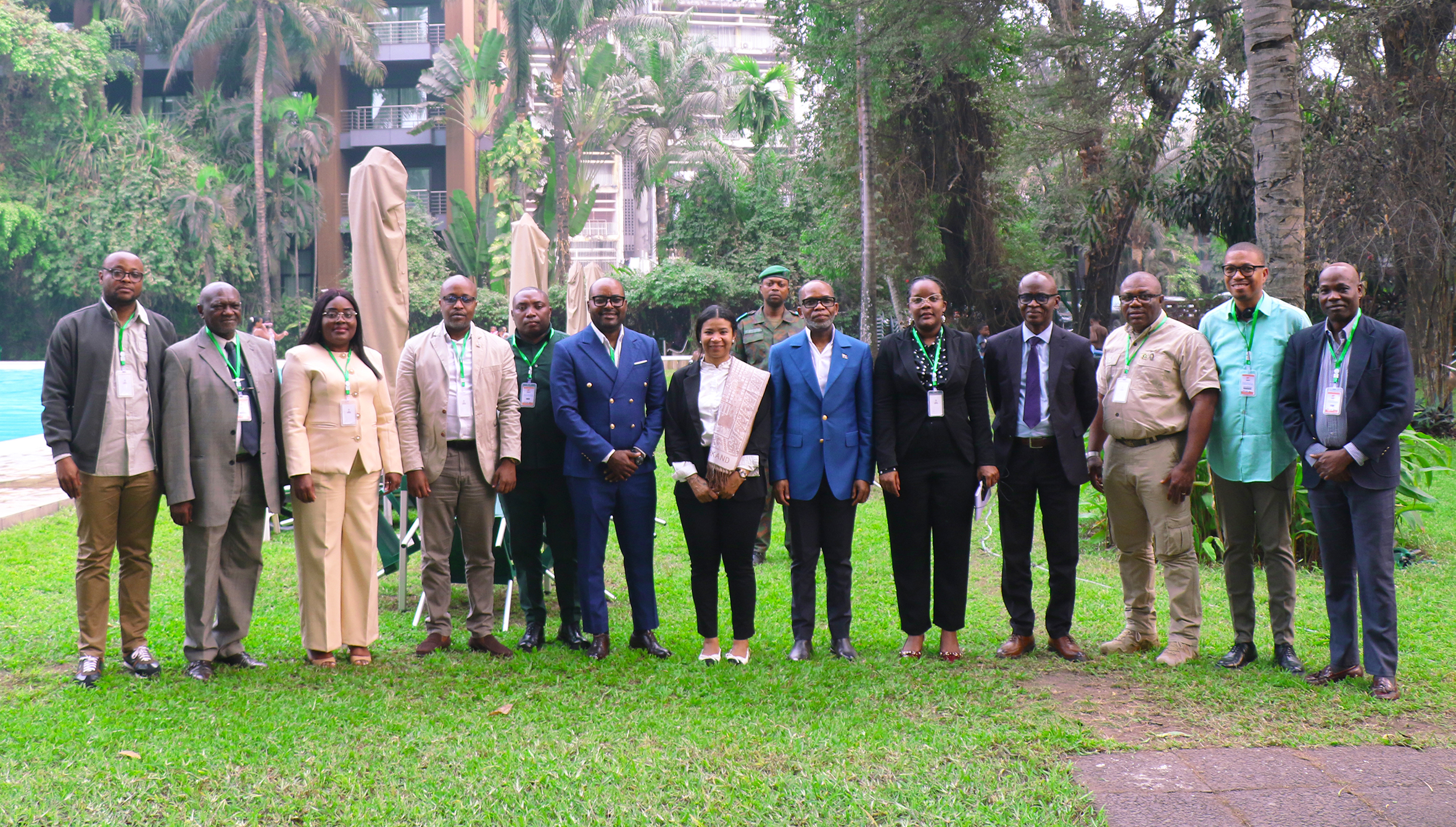
A gathering of teams from INBAC, ICCN, and AWF.
At AWF, we are helping build biodiversity economies that put nature at the heart of Africa’s economic future. By working with governments, communities, and businesses to recognize biodiversity as an economic asset, we are unlocking new pathways for investment, livelihoods, and sustainable growth while ensuring Africa’s natural capital continues to thrive.
Africa’s economic transformation is gathering pace. Across the continent, new roads, railways, ports, and trade routes are connecting people and markets, opening opportunities for investment and creating new pathways for economic growth.
The Lobito Corridor is one of the most ambitious examples. Stretching from Angola through the Democratic Republic of Congo (DRC) and toward Zambia, the corridor is expected to strengthen regional trade and connectivity while opening new opportunities for communities and businesses. But as development moves forward, there is another question that must be considered: how can Africa grow its economies while protecting the natural wealth that makes those economies possible?
For the DRC and Angola, the answer matters.
Both countries are home to extraordinary biodiversity and natural resources. Forests, wildlife, rivers, and other ecosystems support communities and provide the natural foundation for economic activity. Yet increased connectivity can also create new opportunities for illegal trade in wildlife, timber, and other natural resources.
The challenge is not to stop development. It is to make sure development works for both people and nature.
Turning Natural Wealth Into Lasting Opportunity

A handshake that reflects the shared commitment of DRC and Angola to strengthen cross-border cooperation in the fight against wildlife crime within the Lobito Corridor.
Across Africa, the idea of a biodiversity economy is gaining momentum. Rather than seeing nature only as something to conserve, a biodiversity economy recognizes wildlife, forests, ecosystems, and natural resources as assets that can generate economic value when managed sustainably.
That value can come through tourism, sustainable forestry, agriculture, fisheries, non-timber forest products, ecosystem services, carbon markets, and other nature-based enterprises. AWF has long advocated for recognizing biodiversity as an economic asset and integrating it into development strategies.
The Lobito Corridor presents an opportunity to put this thinking into practice.
But realizing that opportunity requires safeguards. Infrastructure can connect legitimate businesses to markets, but without adequate oversight, the same routes can also be used by criminal networks moving illegal wildlife products and timber.
For communities living along the corridor, this is not simply an environmental issue. The loss of forests and wildlife can mean the loss of resources that support livelihoods today and economic opportunities tomorrow.
With support from partners, the African Wildlife Foundation (AWF) is working with institutions in the DRC and Angola to strengthen cross-border cooperation and help prevent wildlife and forest crime along the corridor.
In Kinshasa, representatives from the DRC and Angola recently came together for a High-Level Cross-Border Cooperation Meeting facilitated by AWF. The meeting brought together conservation authorities, law enforcement agencies, government institutions, and civil society partners to address a challenge that no single institution or country can solve alone.

An exchange session between the Director General of ICCN and representatives of INBAC on strengthening collaboration and cooperation between the two institutions in support of shared conservation objectives.
For AWF, the approach is deliberately proactive. An independent analysis supported by AWF is examining illegal trade in wildlife, timber, and other natural resources within the Lobito Corridor. The study is looking at potential risks associated with infrastructure development across the DRC, Angola, and Zambia and identifying measures that can help reduce opportunities for trafficking.
This kind of investment may happen behind the scenes, but its value is significant. Identifying risks before they become entrenched gives governments and partners an opportunity to put the right systems in place as development progresses.
Building Stronger Institutions
On the ground, protecting a biodiversity economy depends on people and institutions with the skills, information, and tools to act.
AWF’s work supported by the U.S. Department of State has already strengthened the capacity of frontline actors involved in combating wildlife crime. Eco-guards, protected-area managers, law enforcement officers, and judicial actors have received support to improve investigations, evidence collection, and prosecution. Work has also focused on vulnerable locations, including Matadi Port and strategic border areas.
Now, those efforts are being connected across borders.
Wildlife crime rarely follows national boundaries. A poached animal or illegally harvested tree can move through several jurisdictions before reaching its final market. Effective enforcement therefore depends on information moving as quickly as the criminals themselves.
Participants at the Kinshasa meeting emphasized the importance of intelligence, information gathering, coordination, and partnerships between institutions and across countries.

Defining the various collaboration mechanisms between the DRC and Angola.
A Corridor for People, Nature, and Prosperity
The emerging cross-border action plan between Angola and the DRC provides a practical framework for stronger cooperation, information sharing, and coordinated responses to environmental crime.
For communities along the Lobito Corridor, the stakes extend beyond wildlife.
Healthy forests and functioning ecosystems provide resources and services that support everyday life. Protecting them helps preserve the natural assets that communities and economies will continue to depend on as the region develops.
This is the promise of a biodiversity economy: creating economic opportunity without consuming the natural capital that makes that opportunity possible.
The Lobito Corridor is being built to move goods, connect markets, and drive investment. With the right safeguards and partnerships, it can also demonstrate something equally important, that infrastructure and conservation do not have to move in opposite directions.
Africa's natural wealth can be part of its economic future.
The task now is to ensure that as the Lobito Corridor connects economies, it also helps secure the forests, wildlife, and communities that make long-term prosperity possible.