Community-Led Efforts Safeguarding Rwanda’s Mountain Gorillas
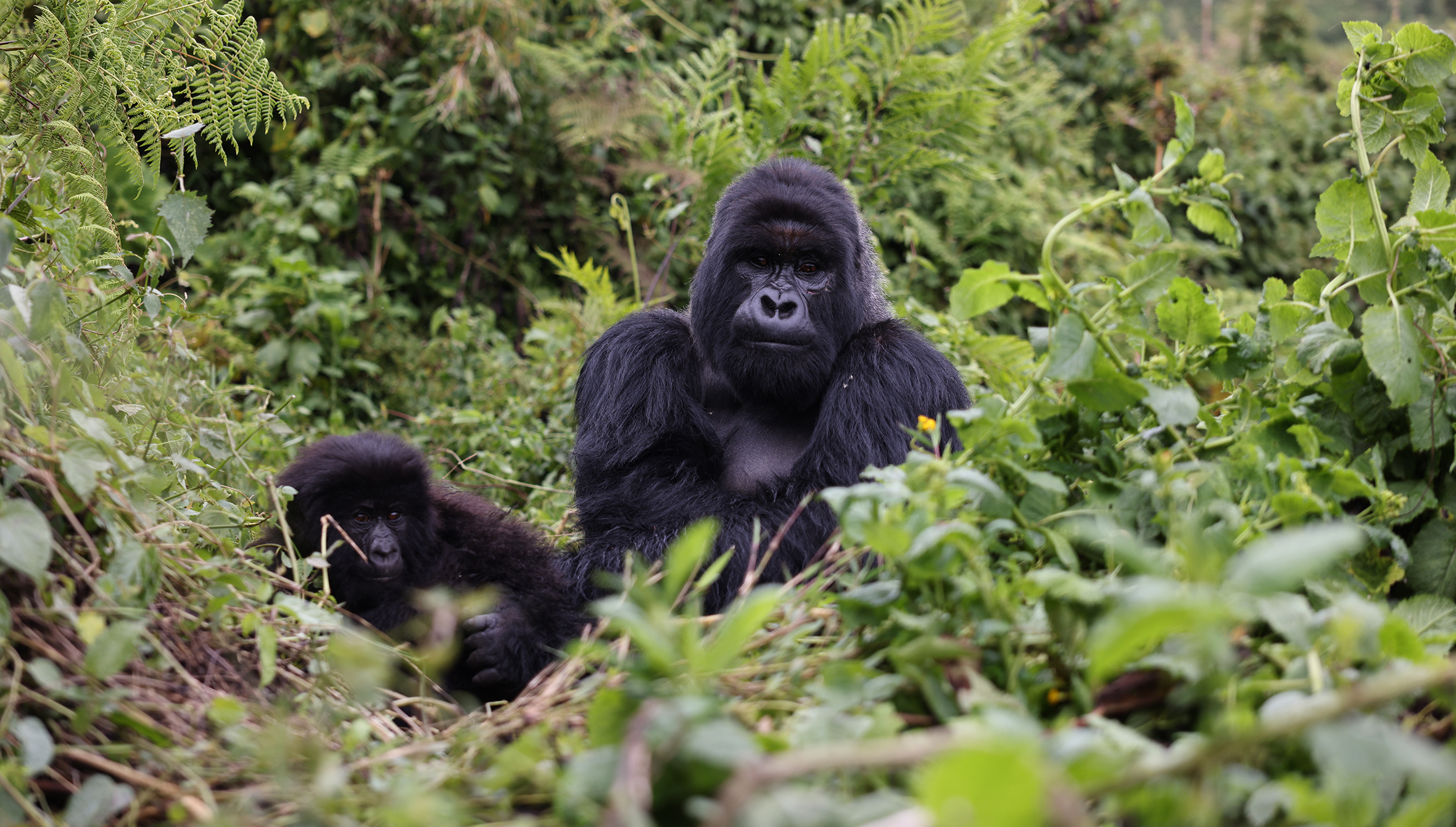
Mountain gorillas in Volcanoes National Park, Rwanda. © Rwanda Development Board.
For years, the land Ndungutse Francois farmed in Kinigi Sector, Musanze District, fed his family. It paid school fees, produced pyrethrum and Irish potatoes, and offered the kind of certainty that rural households hold onto closely. Releasing it was never going to be a small decision.
But as conversations around the future of Volcanoes National Park deepened, Francois began to see that same land differently—not only as a source of livelihood, but as part of a wider landscape shared with one of the world’s most endangered species.
“Examining the role of gorillas in generating foreign exchange in Rwanda… we realized that the benefits derived from tourism significantly outweigh the earnings we previously obtained from farming,” he says.
That shift in perspective is at the heart of a wider transformation unfolding around Volcanoes National Park. In communities that have long lived alongside wildlife, conservation is taking shape not through exclusion, but through dialogue, negotiated choices, and a clearer recognition that the future of people and gorillas is deeply connected.
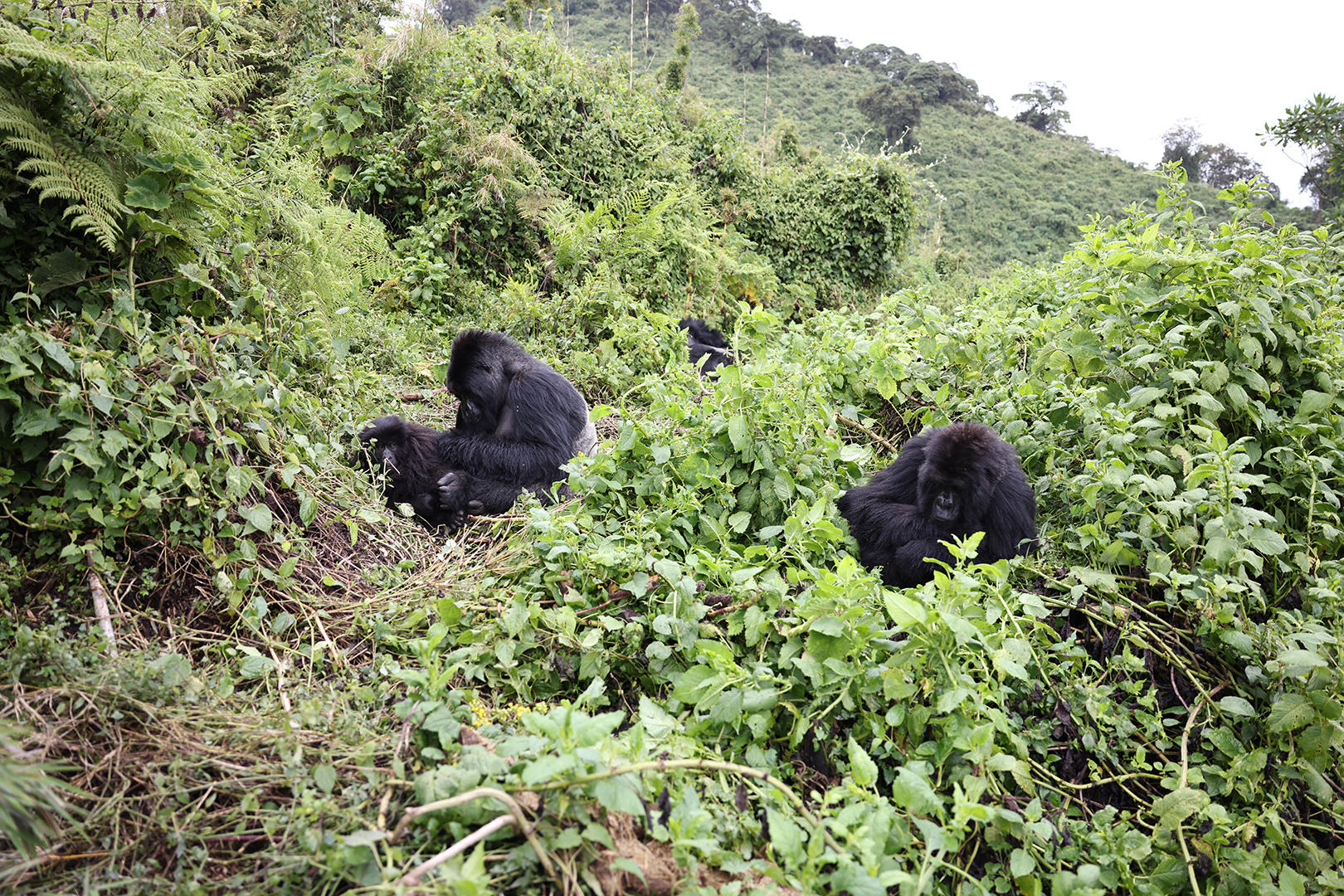
Rwanda's mountain gorilla population is found in the Volcanoes National Park landscape, deep in the northwestern part of the country. © Rwanda Development Board.
Negotiated Conservation, Shared Value
Through a model led by the African Wildlife Foundation (AWF), in partnership with the Rwanda Development Board (RDB), more than 145 hectares of land had been acquired by March 2026 through negotiated agreements with local residents. The land includes areas for park expansion and relocation sites, and the process has been carried out in line with Rwanda’s legal framework and international social safeguards.
At the core of the model is an approach rooted in community rights and shared decision-making. Households that release land are fairly compensated and supported through resettlement. That matters because lasting conservation is built through trust, transparency, and the confidence that people are not being asked to bear the costs of protecting wildlife alone.
Around Volcanoes National Park, that principle is becoming more visible. Community members are not merely witnessing conservation from the edges—they are helping shape it.
Living with Wildlife in Practice
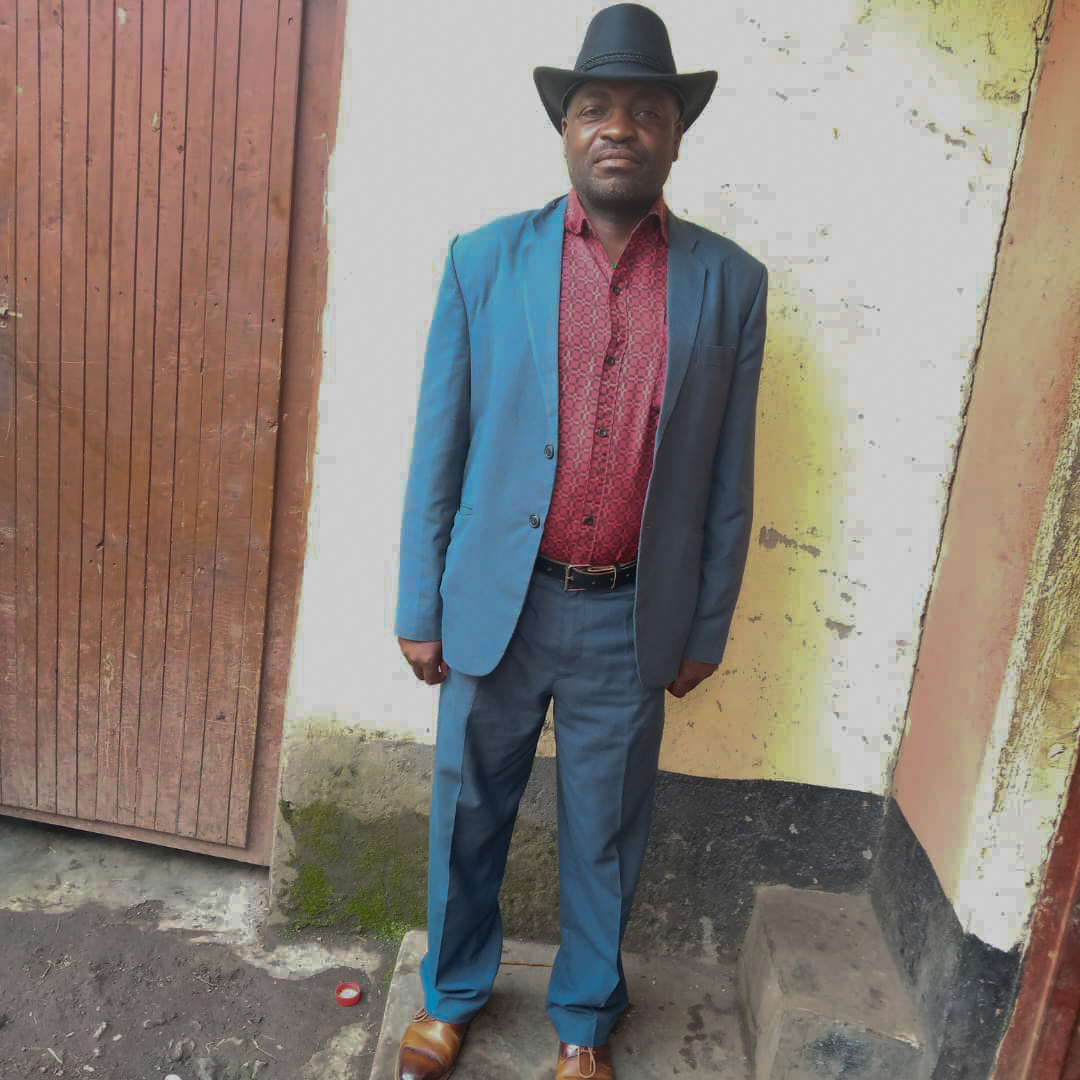
Ndungutse Francois, a community member in Kinigi, Rwanda.
For Francois, the decision to release his land grew from this broader understanding. Gorillas were no longer just animals in a nearby forest. They had become part of Rwanda’s economic story and part of the logic of community development.
Gorilla tourism continues to draw global attention, bring in foreign revenue, and support national growth. Through revenue-sharing mechanisms, communities also see part of that value return in the form of improved services and stronger local livelihoods.
“The activity is public and aimed at preserving the ecosystem,” Francois says.
Across Africa, AWF’s approach recognizes that wildlife survival depends on more than protected-area boundaries. It depends on larger landscapes where governments, communities, and other stakeholders negotiate how land is used, how habitats are protected, and how people benefit from conservation. In practice, that means building resilient ecosystems, supporting resilient people, and strengthening good governance so coexistence can endure.
The Rwanda story brings those ideas into focus. The protection of mountain gorillas is happening through agreements that acknowledge local rights, through decisions made with communities rather than around them, and through a growing sense that conservation can produce tangible value.
A Durable Path Forward
That is what gives this model its strength.
It shows that protecting endangered mountain gorillas is about shaping a landscape where conservation is practical, legitimate, and shared. It is about ensuring that people living closest to wildlife are recognized not as obstacles to conservation, but as central to its success.