Conservation that lasts: why Tanzania’s future depends on the people closest to its wildlife and ecosystems
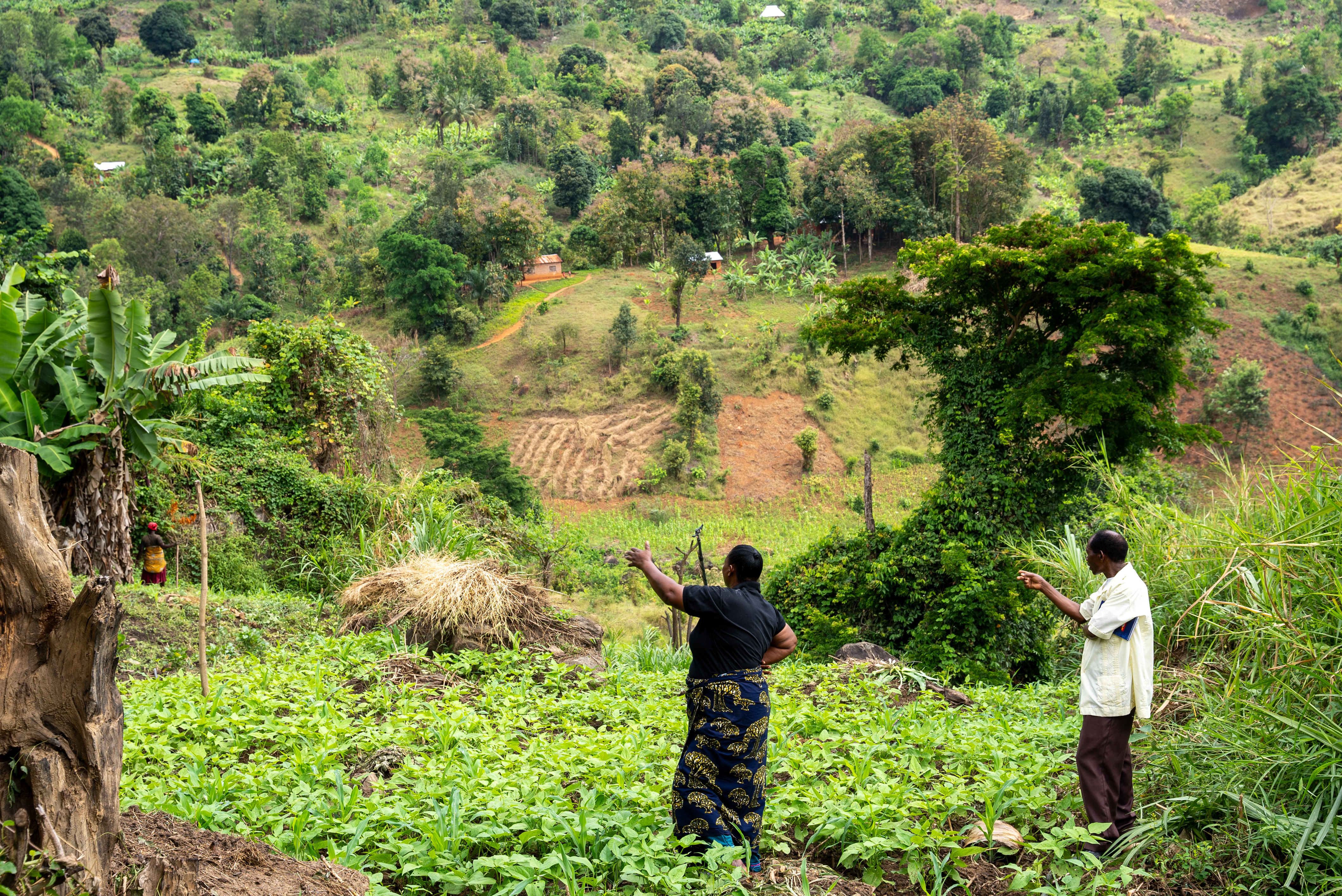
Farmers overlooking their land in Kilombero Landscape, Southern Tanzania
Walk through the Kilombero Valley at the end of the rains and the lesson is hard to miss. The floodplain swells, rice fields shine, puku and elephant graze at the water’s edge, and fishers push their canoes into the current. No one separates “conservation” from “livelihood” in Kilombero. They are the same river.
Yet in much of our national conversation, conservation is still described as something done to a landscape rather than with the people who live in it. That framing is costing Tanzania time, trust and results.
Protected areas are not islands
Tanzania’s natural wealth is of global significance. Our wetlands, forests and protected areas hold biodiversity the world wants to see survive, and they underpin tourism, agriculture, hydropower and water security for households, ecosystems and the wider economy. But protected areas are not islands. Wildlife moves, rivers flow, and farms, villages and reserves sit side by side. The Kilombero floodplain, a Ramsar-listed wetland spanning about 796,700 hectares, is home to endemic species such as the Kilombero weaver and sustains the farming, fishing and pastoral livelihoods of about 400,000 people. What happens upstream, in the forests and fields of the Udzungwa Mountains, shapes what reaches the wetland and the communities and power stations downstream.
When communities are consulted late, or only to be informed, conservation becomes fragile. Rules are resented, boundaries are contested, and the costs of living alongside wildlife, from crop raiding to restricted access to land and water, fall on those least able to bear them. People who feel unheard have little reason to protect what they have been shut out of.
Putting communities at the centre
Since 2014, the African Wildlife Foundation (AWF) has worked in Kilombero on a different premise: that the people closest to a landscape are its most important custodians, if they are given the knowledge, the authority and a stake in the outcome. Across five district councils, that approach has helped establish 48 village natural resource committees, five water user associations and one wildlife management area, and brought about 50 institutions into regular multi-stakeholder dialogue. More than 17,000 farmers have been trained, and about 70 per cent have adopted at least one sustainable farming practice.
Behind those numbers are people. In 2015, Ayubu Matabala was a smallholder farmer with no formal training and no leadership role. After joining AWF training in Kilombero, he went on to lead the Ruipa Water Users Association, which spans eight villages. Today he also runs a cocoa seedling enterprise that supplies other farmers and trains his neighbours.
Local eyes on biodiversity
The same lesson has emerged from a newer effort. With support from the JRS Biodiversity Foundation, AWF is helping community teams in Kilombero build the skills to monitor their own biodiversity. In June 2026, AWF trained 50 participants from 12 institutions, including community groups, district councils, parastatals and partner NGOs, to monitor biodiversity and share their records using digital tools such as iNaturalist.
What stands out is not the technology, but who holds it. Fishers, farmers and village scouts notice change first: where fish are spawning, when birds return, how wildlife behaves, which wetland edges are shrinking. Biodiversity monitoring turns that daily knowledge into evidence that district authorities, scientists and conservation partners can act on. When local people generate the data, it is trusted, and decisions based on it are more likely to hold.
Three steps for Tanzania
There are three things Tanzania can do to build on this. First, give communities real decision-making roles in land-use planning, natural resource governance and the multi-stakeholder platforms that bring villages, farmers, pastoralists and government to the same table. Second, make conservation pay locally, through sustainable agriculture, nature-based enterprises and, as models mature, payments for the ecosystem services that communities safeguard. Third, manage landscapes as connected systems, treating water, wildlife, farms and forests as one resource base rather than separate sectors.
This is not a soft option. It is the practical route to durable results. Where communities help set the rules, they help keep them. Where wetlands are protected because they feed families, they stay protected when budgets and political attention shift. And a new generation of Tanzanian scientists, farmers and entrepreneurs is ready to lead, if given the space.
A future communities can see themselves in
Tanzania has made bold commitments to conserve its natural heritage, and rightly so. The next step is to ensure that those who live closest to that heritage are partners in its protection, not bystanders to it. A conservation future that communities can see themselves in is a conservation future that lasts.