Friends of Elephants: A Place Where People and Elephants Coexist
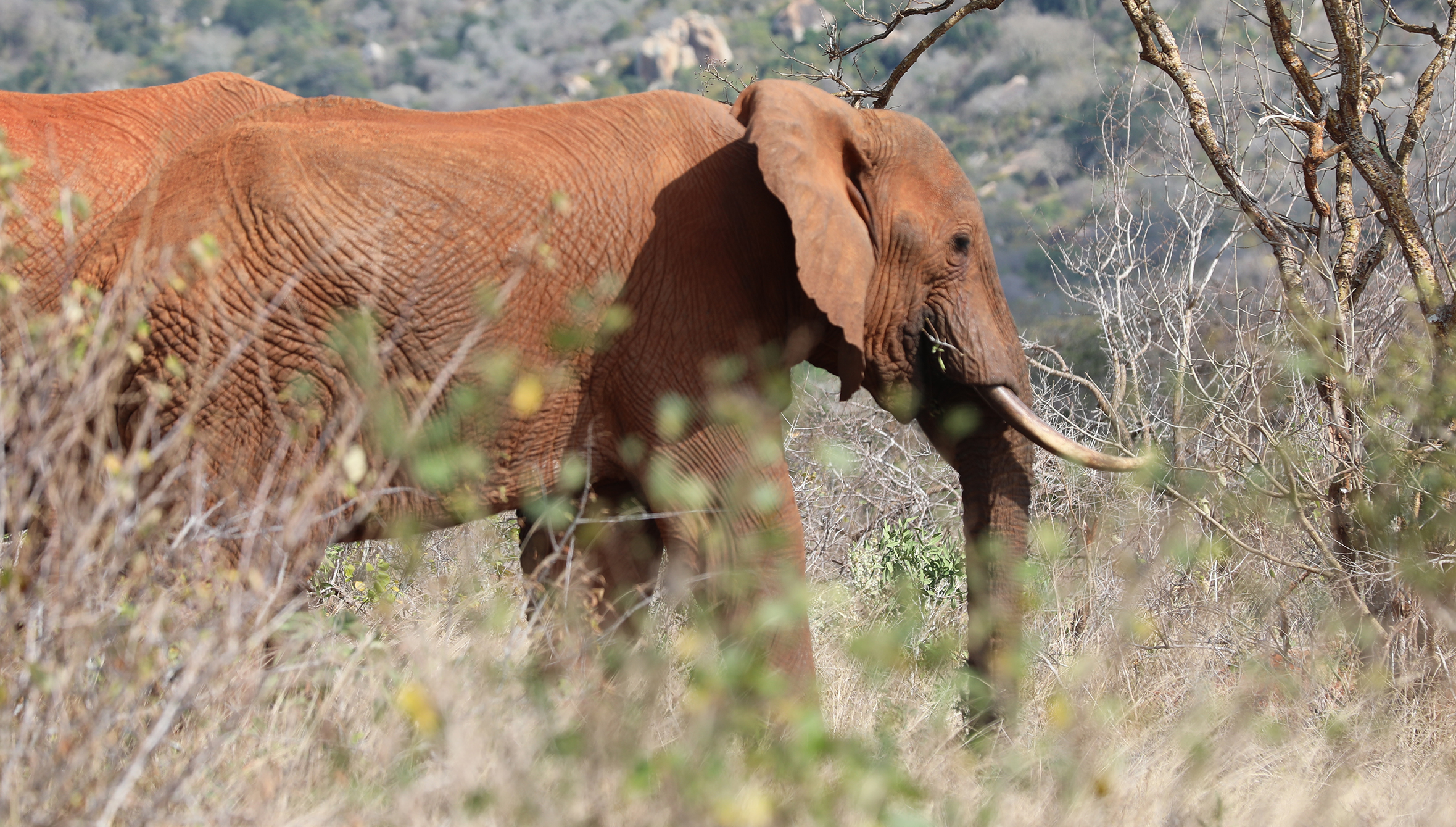
Elephants at Amaka Conservancy in Kenya’s Tsavo Landscape.
An adult elephant can drink up to 200 liters of water a day. In a dry region like Kenya’s Tsavo landscape, access to reliable water can determine where elephants move, where they gather and whether they remain within their habitats.
But elephants do more than consume resources. As they move across landscapes, they shape vegetation, disperse seeds and create pathways and openings that benefit other species. Their presence can tell us much about the health and connectivity of an ecosystem.
As the world marks World Elephant Day, Amaka Conservancy offers a close look at what protecting elephants can mean on the ground. Here, conservation is closely tied to something as basic as water and to the people working to ensure elephants have access to it.
This is especially evident at Amaka Conservancy, a 15,000-acre conservation area in the Tsavo landscape. Home to hundreds of elephants, Amaka lies within a wildlife corridor connecting Tsavo West National Park with Tanzania’s Mkomazi National Park.
Within the conservancy is a breeding ground for elephants at the foothills of Rukinga Hill. The area also has caves used by lions, while about two kilometers from the hill are large gathering areas for giraffes.
Keeping Elephants Out of Conflict Starts With Water
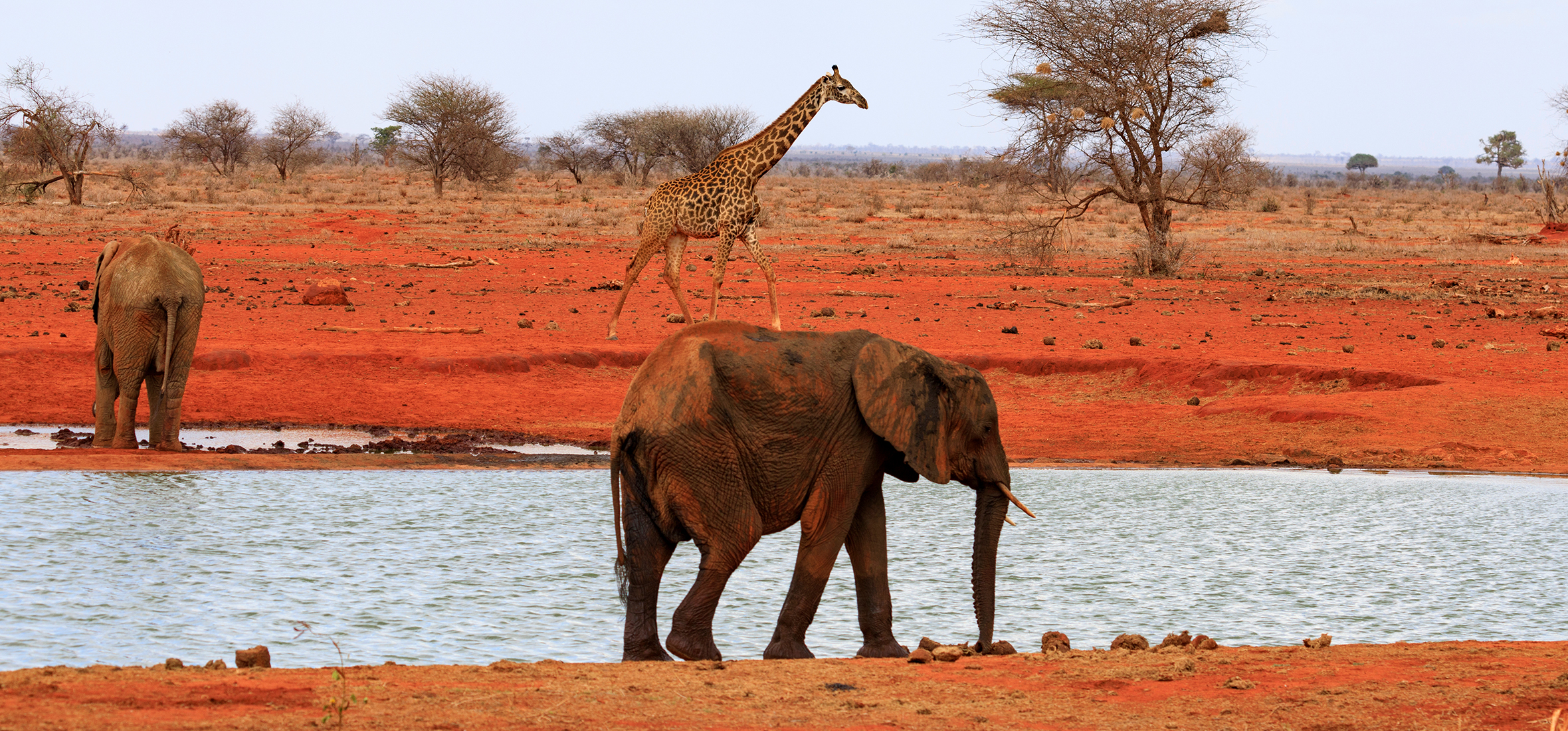
Wildlife in Tsavo East National Park. © AIDAsign
Amaka’s relationship with elephants stretches back decades. Established as a cattle ranch in 1965, the area developed water infrastructure that served both livestock and wildlife. By the late 1990s, its founders, with support from conservation partners, had constructed 18 water pans and waterholes, as well as three dams.
Elephants, buffaloes, giraffes and zebras moved through the landscape in search of food, water and space, and depended heavily on these sources.
Today, maintaining that infrastructure has become increasingly difficult. Many of Amaka’s older dams have silted up and lost much of their original capacity. The original Amaka Dam, constructed in 1998, was designed to sustain the landscape through two dry years without rain, but its capacity has since been significantly reduced.
For elephants, the loss of water capacity can mean longer movements in search of water and greater concentration around the few sources that remain.
That is why investment in water infrastructure is also an investment in elephant conservation.
Between 230 and 250 elephants pass through Amaka in a single day to drink from its main solar-powered borehole water pump. Engineer Mkala Lenjo, Managing Director of Amaka Ranch and Wildlife Conservancy, recalls that when Amaka’s main water pump was not working for several days during the dry season, close to 300 elephants came looking for water. Unable to find enough, they pulled apart an unfenced borehole. Still thirsty, they moved into the neighboring Kasigau community, where they drank from a farmer’s water tank until it shattered, trampled his mango trees, and by the time the herd moved on, a person had unfortunately lost his life.
“As long as the elephant misses water, it will always go where people are,” Lenjo says. “So the best way is to make sure there is water at the sources.”
For Amaka, keeping water available is therefore more than supporting elephants; it is also about reducing conflict between wildlife and neighboring communities. Reliable water sources can help keep elephants within the conservancy and reduce the pressure that pushes them into farms and settlements.
AWF’s Partnership With Amaka
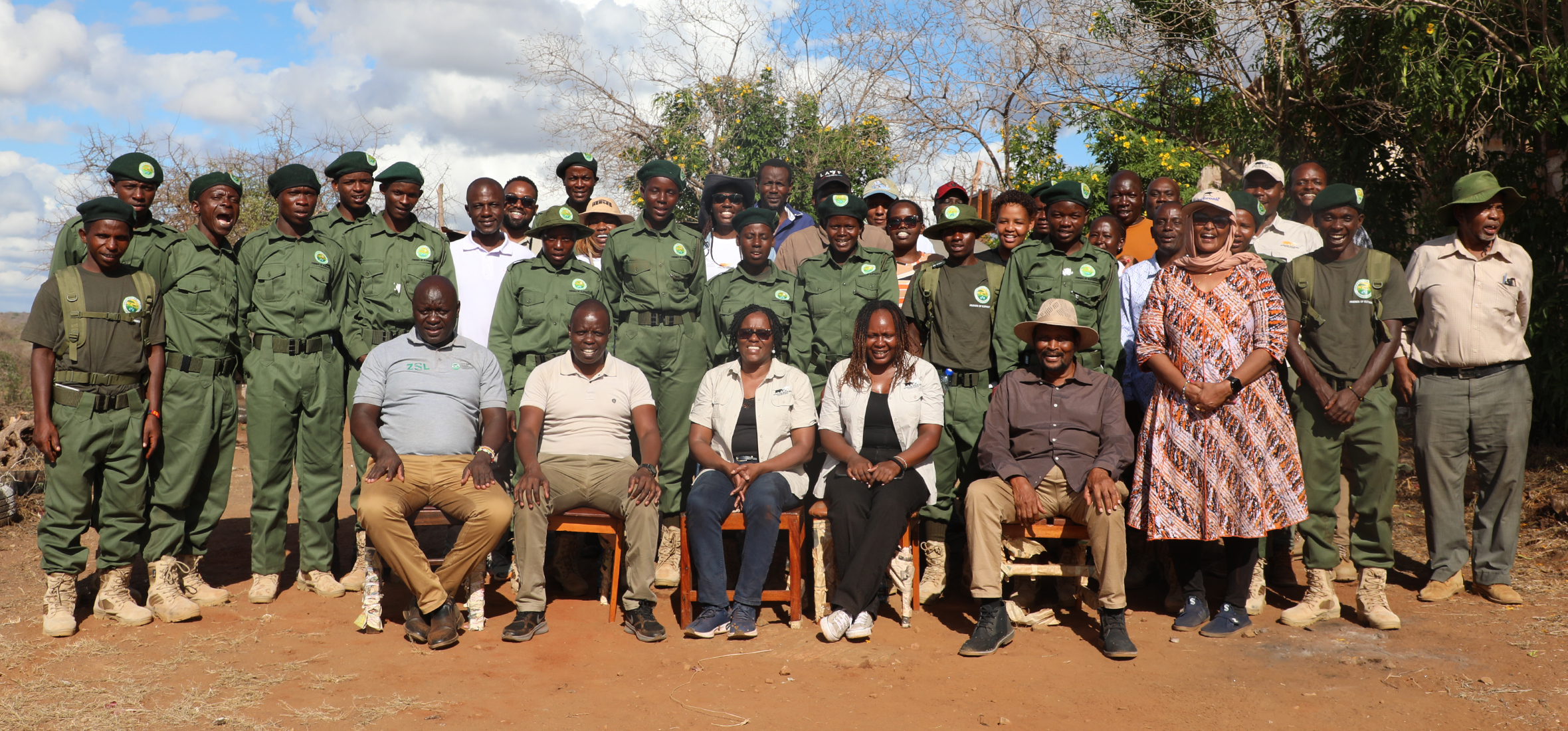
AWF Kenya Country Director Nancy Githaiga (middle, front row) with Amaka staff and rangers after breaking ground on two community rangers housing units.
With support from the African Wildlife Foundation (AWF), two water pans were constructed two years ago—one near the elephant breeding ground and another near the border with the Kilibasi community. The water pans were supported through a grant from the Mickles Elephant Foundation.
The additional water sources helped distribute wildlife across the conservancy, reducing pressure on individual water points and limiting environmental degradation. AWF has also supported Amaka’s ranger operations through uniform kits, motorbikes, and camping equipment, as well as two ranger security camps at Adonai and Kisima Mbili. These investments strengthen the conservancy’s ability to protect wildlife and respond to threats such as poaching.
Together, the support addresses two important needs for elephants: access to water and protection. For Amaka, elephants are more than a conservation priority; they are part of the landscape’s identity and a reminder of what is possible when wildlife has the resources it needs, including water, space and connected habitat.
“Elephants are the remaining giants of wildlife,” Lenjo says. “If we lose them, we will have lost not only history, but a very big legacy of our landscape and of Kenya.”
For Lenjo, being a friend of elephants is ultimately about creating the conditions that allow elephants and people to continue sharing this landscape.
Becoming Friends of Elephants
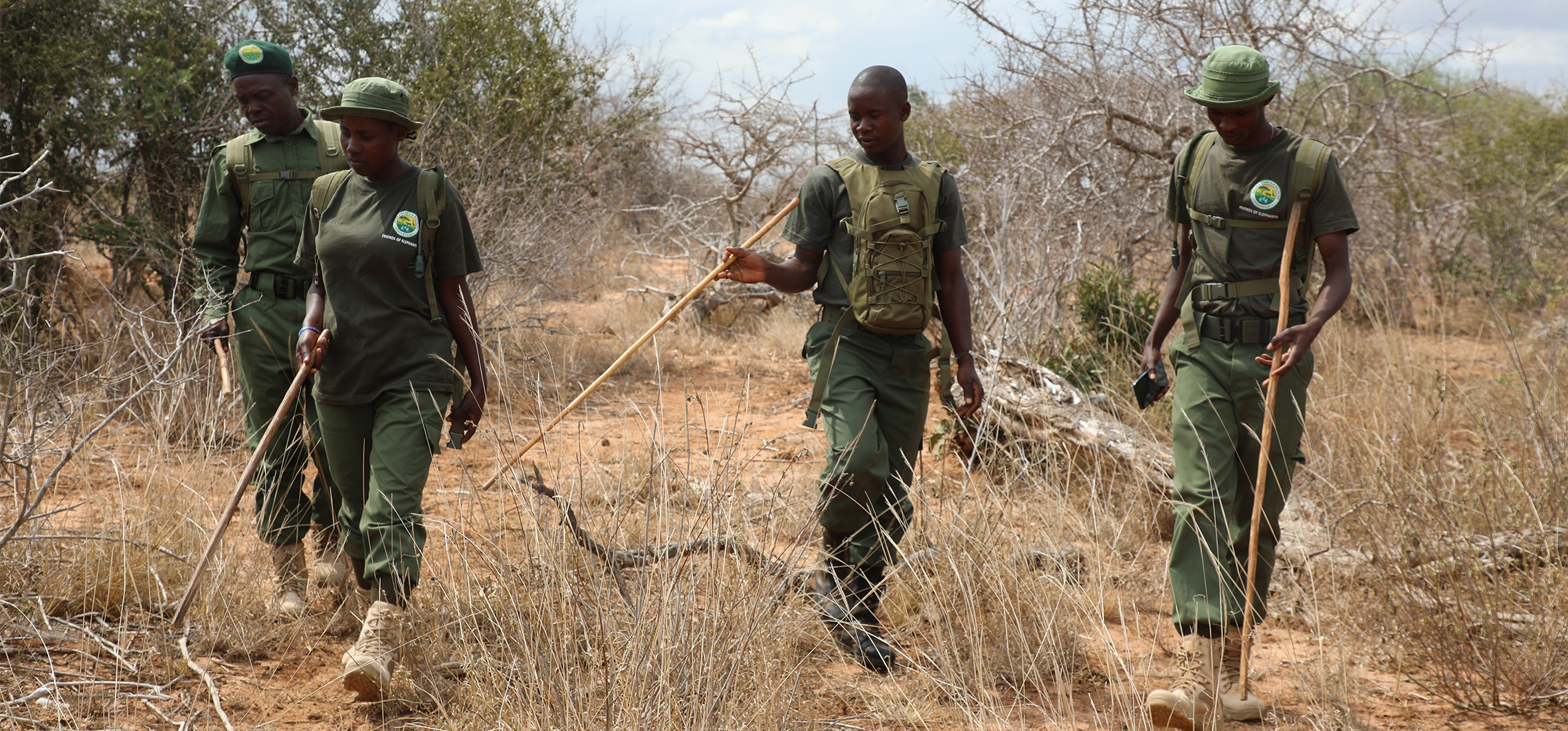
Community Rangers on patrol at Amaka Conservancy.
But protecting elephants in Amaka is not only about infrastructure; it is also about the people living alongside them. The conservancy is bordered by Indigenous communities in Kasigau, Kilibasi and Zungulukani, whose support is essential to protecting the landscape.
Amaka draws much of its ranger workforce from neighboring communities, including people who were previously involved in poaching and hunting but have since reformed.
“Through relationships and word of mouth, we reached out to community members involved in poaching and hunting and brought them into conservation,” Lenjo says. “Some have since changed and are now part of our ranger team.”
This is where the idea of friends of elephants becomes tangible. Being a friend of elephants is not simply about appreciating the species; it is about creating the conditions that allow elephants and people to share the same landscape with water for elephants, space for them to move, and people equipped to protect them.
For Amaka, that means recognizing elephants as part of the landscape’s identity and investing in the systems that allow them to remain there.
Protecting Tsavo’s Giants
Looking ahead, Lenjo envisions a conservancy with stronger water infrastructure, more space for wildlife, and sustainable sources of income. The plan includes restoring dams and boreholes and improving the distribution of water points across the landscape.
On World Elephant Day, Amaka’s story shows that protecting elephants is also about protecting the landscapes and communities they share. For the people at Amaka, being a friend of elephants means creating the conditions for both to thrive.
“It means making sure there is water for them, space for them, and protection for them. Ultimately, it is about having a landscape where people and elephants can continue to live alongside one another,” he concludes.