Guardians of the Congo Basin
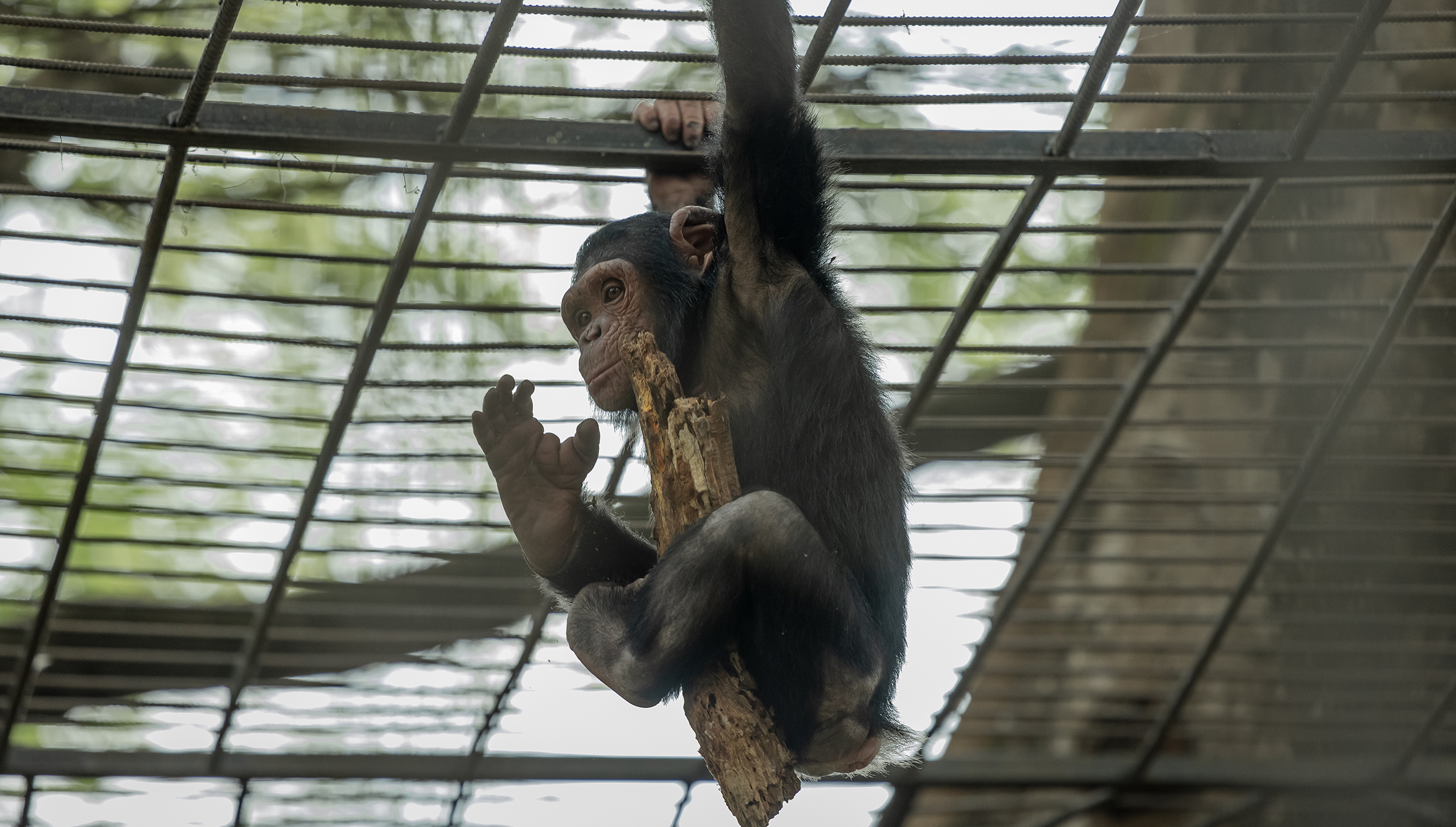
A chimpanzee rescued from poachers in Dja Faunal Reserve, taken to Mvog-Betsi Zoo in Yaounde for recuperation.
The Congo Basin breathes for all of us. Often described as the lungs of Africa, this vast forest system helps steady the climate, anchors rainfall patterns, and supports millions of people whose lives and livelihoods depend on healthy rivers, intact woodlands, and fertile landscapes. It is also one of the planet’s most important forest carbon sinks, quietly absorbing emissions and helping to alleviate a warming world.
The Basin’s strength is built tree by tree, species by species. Forest elephants open pathways through dense vegetation. Great apes disperse seeds. Pangolins regulate insect populations. Crocodiles and primates sit within food webs that maintain balance in forests and waterways. When trafficking and poaching remove these animals, the damage ripples far beyond the individual's loss.
Wildlife Under Pressure—and the Teams Pushing Back
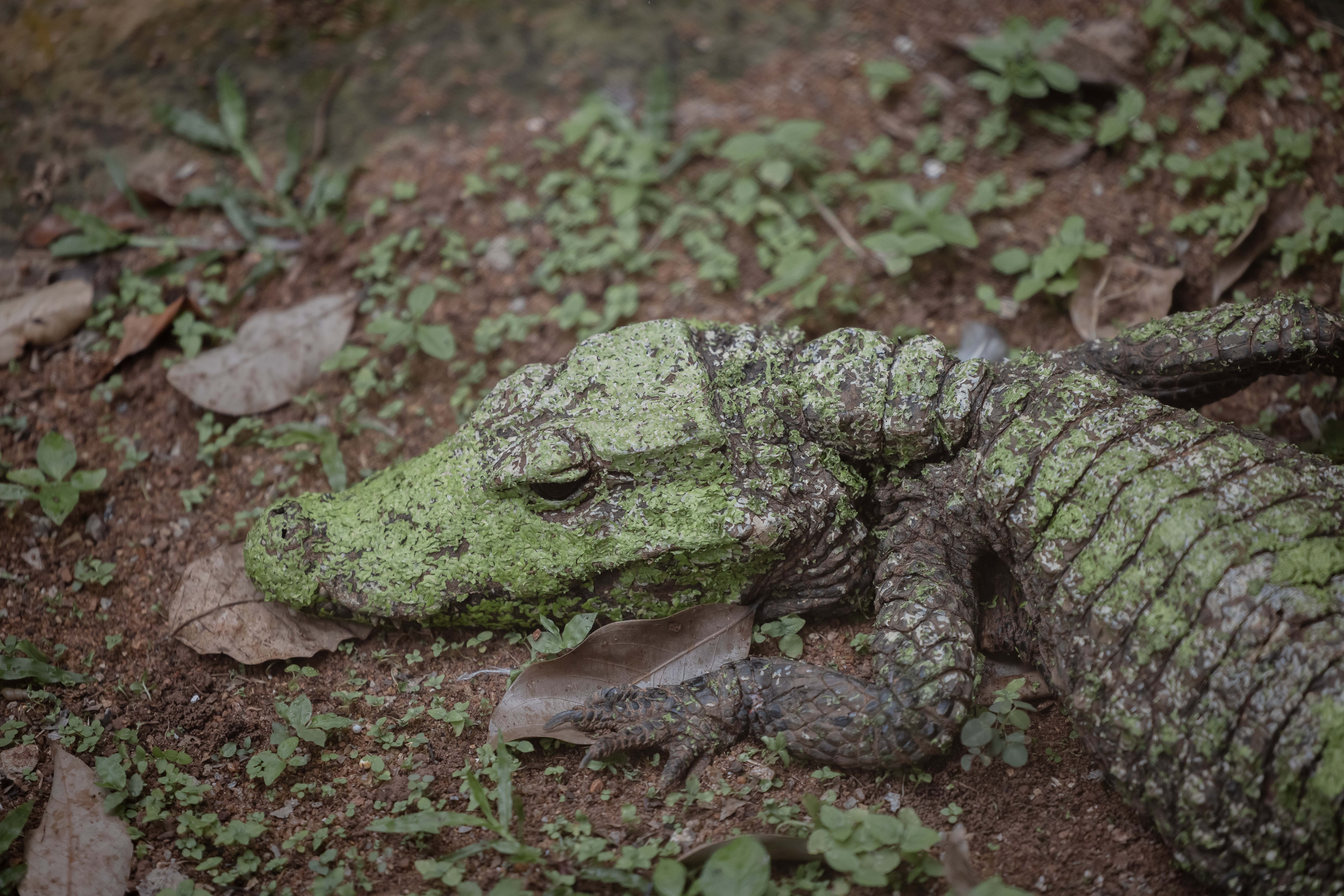
A crocodile rescued from poachers in Dja, Cameroon.
Across the Congo Basin, poaching and habitat loss continue to threaten species that are already under pressure. That is why the African Wildlife Foundation (AWF) works with government partners and communities to strengthen protection where it matters most—on the ground, in real time.
In Cameroon, AWF partners with the Ministry of Forests and Fauna (MINFOF) to support action in the Dja landscape. In the Democratic Republic of the Congo, AWF works alongside the Institut Congolais pour la Conservation de la Nature (ICCN), including in the Bili-Uélé Protected Area. These collaborations combine patrols, community intelligence, and monitoring tools—such as camera trapping and wildlife surveys—to disrupt trafficking networks and guide conservation decisions with evidence rather than guesswork.
Stories of Rescue Across Dja and Bili-Uélé
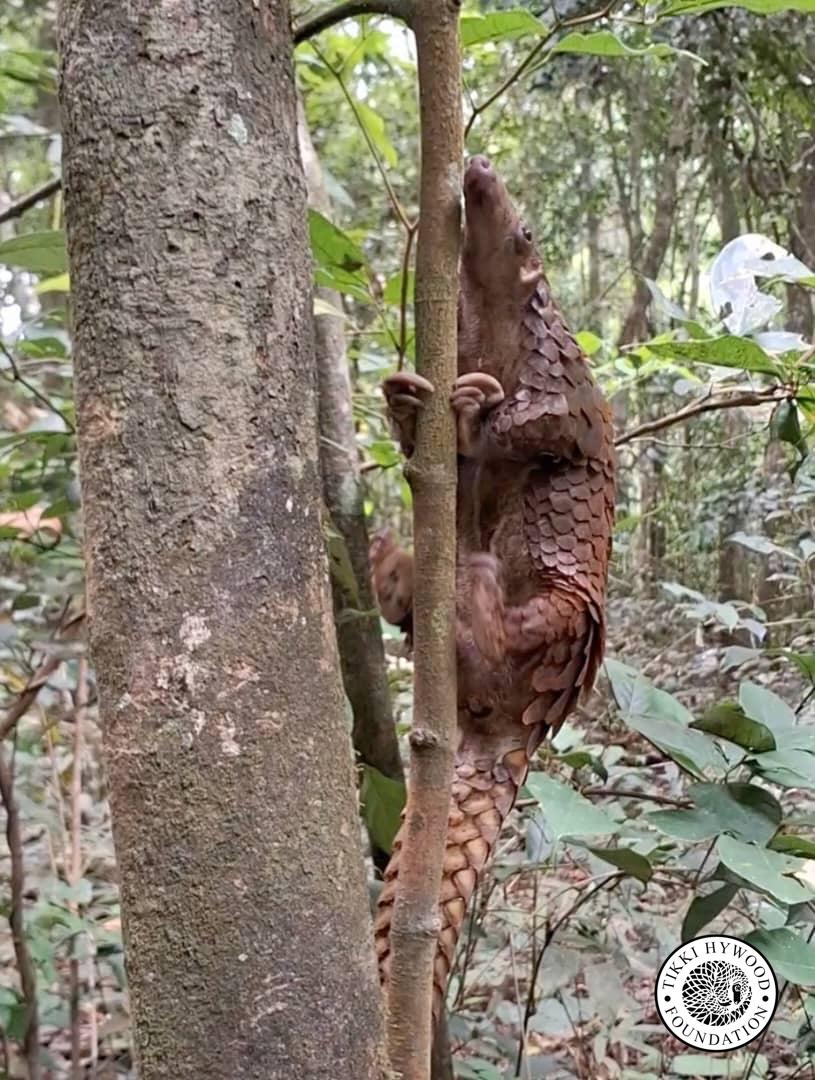
A Pangolin rescued by AWF team members and taken to the Tikki Hywood Foundation for recovery. Photo credit: Tikki Hywood Foundation.
Between 2025 and 2026, AWF-supported projects in Cameroon’s Dja landscape carried out 29 pangolin rescues, including two pangolins transferred from the Dja Faunal Reserve to the Tikki Hywood Foundation in Mefou for specialized care. These rescues are a reminder that protecting wildlife is not only about enforcement. It is also about rapid response, handling expertise, and ensuring rescued animals reach facilities equipped to rehabilitate them.
In early 2026, two chimpanzees rescued in Lomié, Cameroon, were safely relocated to the Mvog-Betsi Zoo in Yaoundé, where they are receiving rehabilitation care ahead of any future release.
In the DRC, two young chimpanzees intercepted in Digba were transported to Buta, flown to Kinshasa, and later transferred to the J.A.C.K. Sanctuary in Lubumbashi, where they now live under specialized care. Other rescues included crocodiles intercepted from poachers in the Dja Reserve—now receiving veterinary attention—and monkeys recovered in Bondo and Dulia through joint ICCN–AWF missions and community awareness efforts.
Each rescue carries two stories at once—the animal’s survival and the choices people make to protect them. Rangers take real risks to stop traffickers. Community members share information, even when it is difficult. Sanctuaries offer the long, patient work of rehabilitation.
Why These Rescues Matter for the Forest—and for People
Rescuing wildlife is not a luxury; it is essential for maintaining the Congo Basin's ecological integrity. Every pangolin or chimpanzee removed from the illegal trade—and returned to care—helps protect the Basin’s living systems and the services they underpin, from water regulation to climate stability.
This work is also a reminder of what effective conservation looks like: partnership, persistence, and shared responsibility. With support from the European Union, AWF and partners have mobilized resources, strengthened collaboration with government agencies, and made these rescues possible—linking local action to global commitment.
Add these partnerships together and you see what guardianship really is—protecting a forest that breathes for a continent, by defending the wildlife that keeps it alive.