Healthy Water Systems, Resilient Communities: A Local Climate Solution in Bili-Uélé
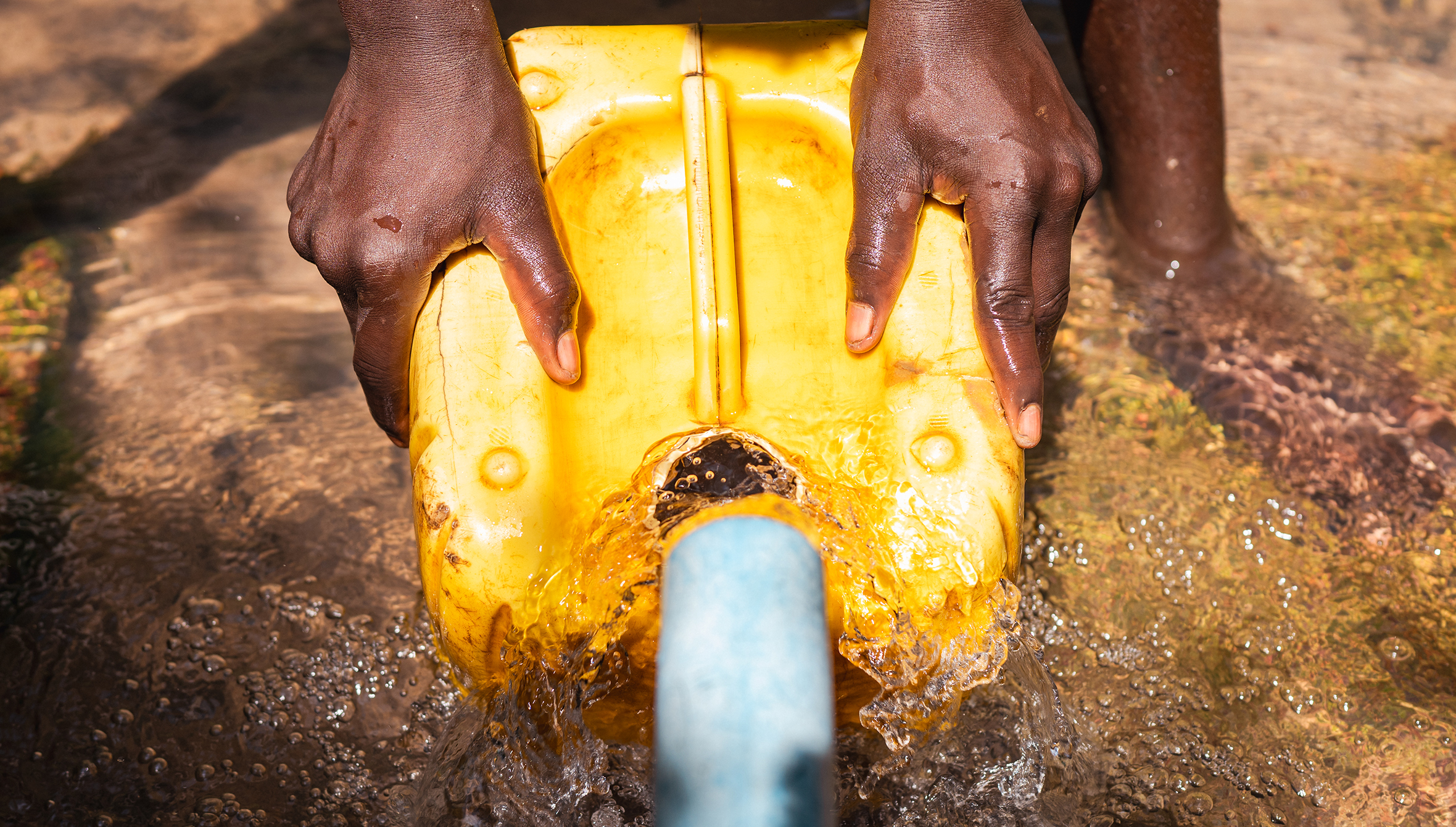
Submerged in the clean waters of the Bili spring, this jerrycan represents abundance and the renewed reliability of a vital community water source. © AWF
Climate resilience is often discussed in global forums and policy negotiations, but its foundations are built in communities where access to natural resources shapes daily life. In the Bili-Uélé landscape of northern Democratic Republic of Congo, one restored water source is demonstrating how protecting nature can strengthen livelihoods, improve health, and help communities adapt to a changing world.
For Julienne Nambaka, clean water is essential to her livelihood.
Like many women in her community, she depends on a reliable water supply to process cassava flour, an activity that helps support her family. Yet for years, accessing water was one of the most difficult parts of her day.
The spring serving the community was relatively clean, but the way people accessed it created daily challenges. There were no pipes or protected outlets. Residents had to bend down and scoop water directly from the source using cups or small containers. As more people arrived, the water quickly became muddy.
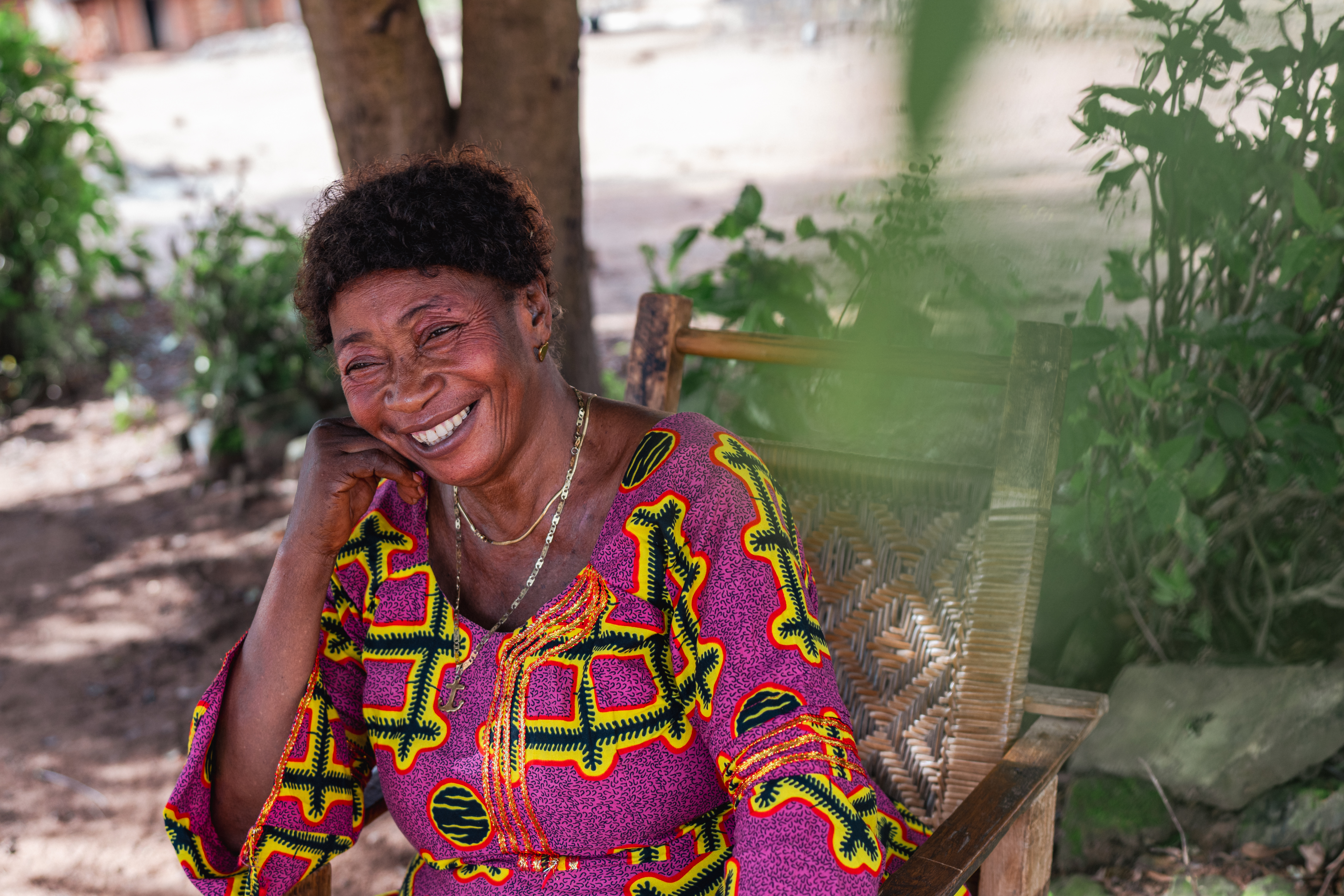
Julienne Nambaka seated outside her house. © AWF
"If you arrived late, the water was already dirty," Julienne recalls. "We had to wake up before sunrise to get clean water."
Fetching water was slow and exhausting. Filling a single jerrycan required repeated scooping, queues were often long, and the risk of slipping was constant, particularly for children and young people.
For Julienne, the consequences extended beyond inconvenience. Limited access to water restricted how much cassava she could process, while the time spent collecting it reduced opportunities for other income-generating activities. Water-related illnesses were also common in many households, affecting both health and productivity.
Today, that reality has changed.
With support from the African Wildlife Foundation (AWF), through funding from the European Union, the Bili water source was rehabilitated and protected. Pipes were installed, allowing residents to collect water without directly disturbing the spring. Moreover, the spring’s source was protected to help ensure its long-term sustainability.
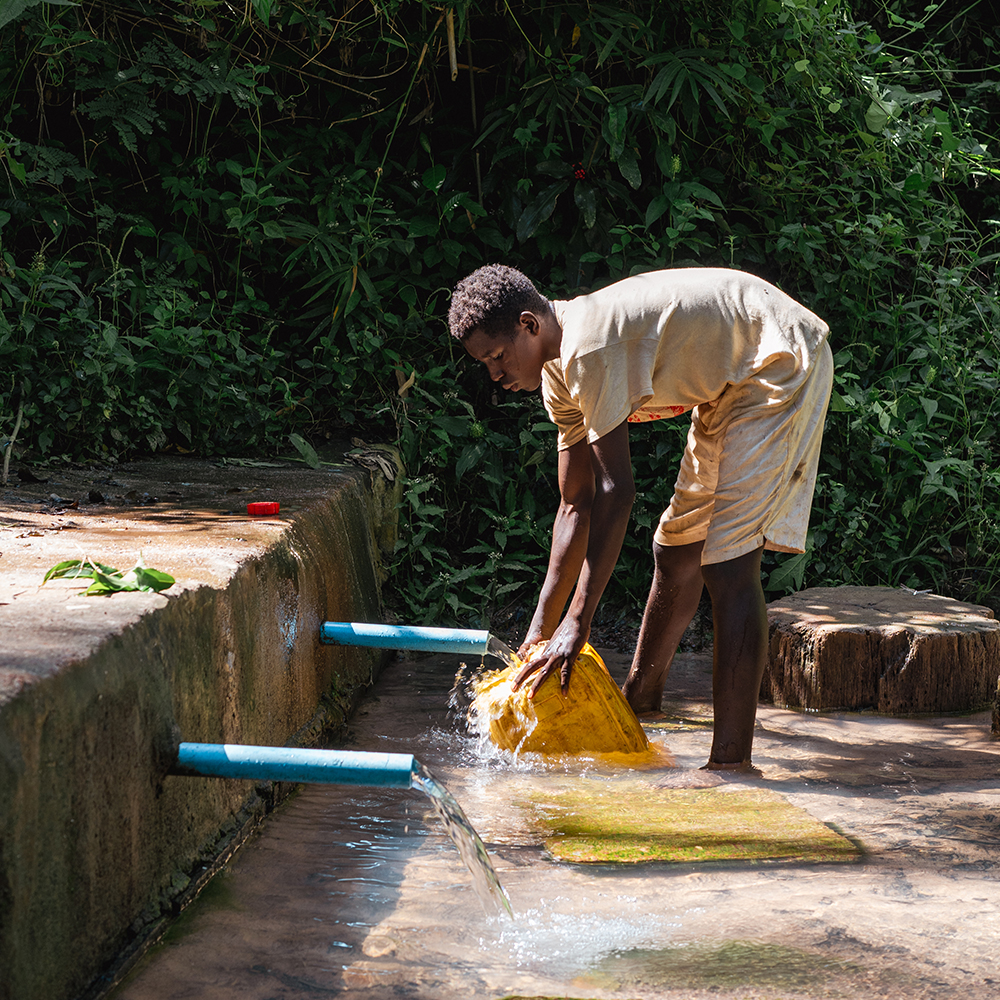
Junior Nambaka, Julienne's son, fetching water from the spring. © AWF
"Now we just place the jerrycan under the pipe and wait," says Junior Nambaka, Julienne's son. "The water fills on its own."
The difference is immediate and visible. Even during busy periods, the water remains clean. Queues move faster, collection is easier, and the risk of accidents has been significantly reduced. Parents are now more comfortable sending young people to fetch water.
For Julienne, the impact extends far beyond convenience.
What once took hours can now be done in minutes. The time she previously spent collecting water can now be invested in her business. She has increased her cassava flour production, improved the quality of her products, and gained more customers. Reliable access to clean water has strengthened her income and improved her family's well-being.
Her story highlights a reality that is becoming increasingly important across Africa: healthy freshwater is critical for community resilience.
Across the continent, climate change is placing growing pressure on both people and ecosystems. Changes in rainfall patterns, environmental degradation, and increasing competition for natural resources are affecting communities whose livelihoods depend directly on the health of their surroundings.
While climate discussions often focus on large-scale investments and international commitments, resilience is frequently built through practical local solutions. Protecting freshwater systems is one of them.
Healthy springs, rivers, wetlands, and headwaters support livelihoods, improve health outcomes, and help communities withstand environmental shocks. When these systems are degraded through pollution, destructive practices, or neglect, communities become more vulnerable. When they are protected and restored, communities are better equipped to adapt and thrive.
In landscapes such as Bili-Uélé, protecting freshwater resources benefits both people and nature. Reliable access to clean water reduces pressure on vulnerable ecosystems, supports local economic activities, and strengthens community well-being.
The rehabilitation of the Bili water source was driven by concerns raised by community members themselves.
"They told us this was their only nearby source of water and that ensuring its long-term sustainability was essential," says Dodo Moke, AWF's Social Safeguards and Conflict Sensitivity Manager.
Their message reflects an important lesson for climate action: communities are often best placed to identify the solutions that will have the greatest impact on their lives.
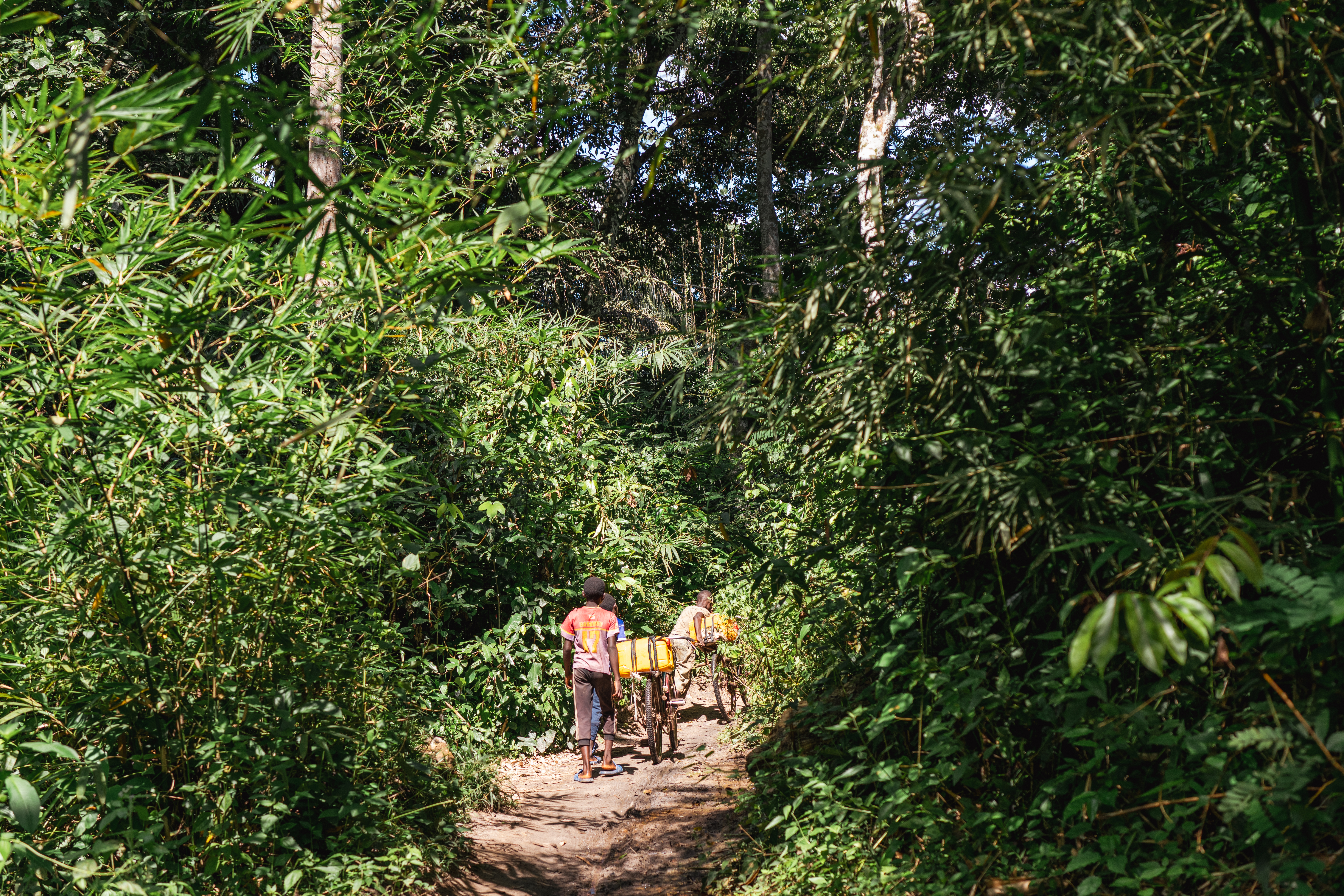
Bili youth using bicycles to transport jerrycans of water home after fetching water from the community spring. © AWF
The benefits of the protected spring continue to ripple outward. Cleaner water contributes to better health. Reduced collection times create opportunities for women to invest more time in productive activities. Stronger livelihoods help families become more resilient to future challenges.
As global leaders continue to discuss climate adaptation and resilience, Julienne's story offers an important reminder. Effective climate solutions are not measured only through policies and commitments. They are also measured in improved livelihoods, healthier families, and communities that are better prepared for the future.
In Bili-Uélé, protecting a single water source is helping achieve exactly that.
Because healthy water systems are not just environmental assets. They are the foundation of resilient communities.