From Mauritius to Seychelles: Daniella Aza’s Journey in Island Conservation Leadership
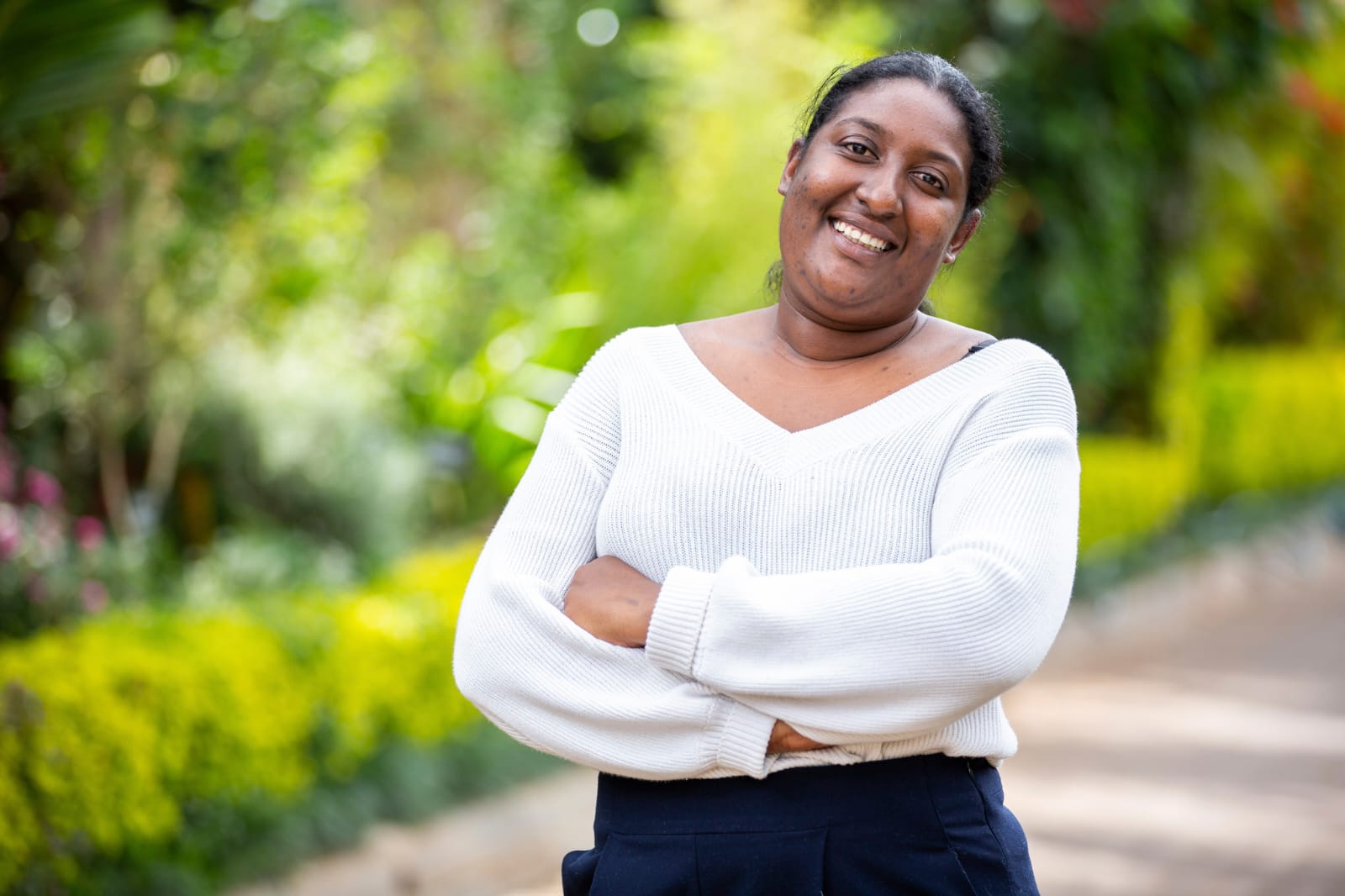
Maria Daniella Aza, a Charles R. Wall Fellowship alumna advancing conservation.
For Maria Daniella Aza, conservation began long before she had a title or field station. It began at home in Mauritius, where nature was part of family life. “My parents actually met in a hiking club,” she says. “I have always had a passion for conservation growing up, from my teenage years through secondary school and university.”
That connection has grown into a career across island ecosystems in Mauritius and Seychelles, shaped by seabirds, sea turtles, Aldabra giant tortoises, habitat restoration, ecological monitoring, and the belief that protecting nature must be led with communities, not around them.
A Childhood Shaped by Island Ecosystems
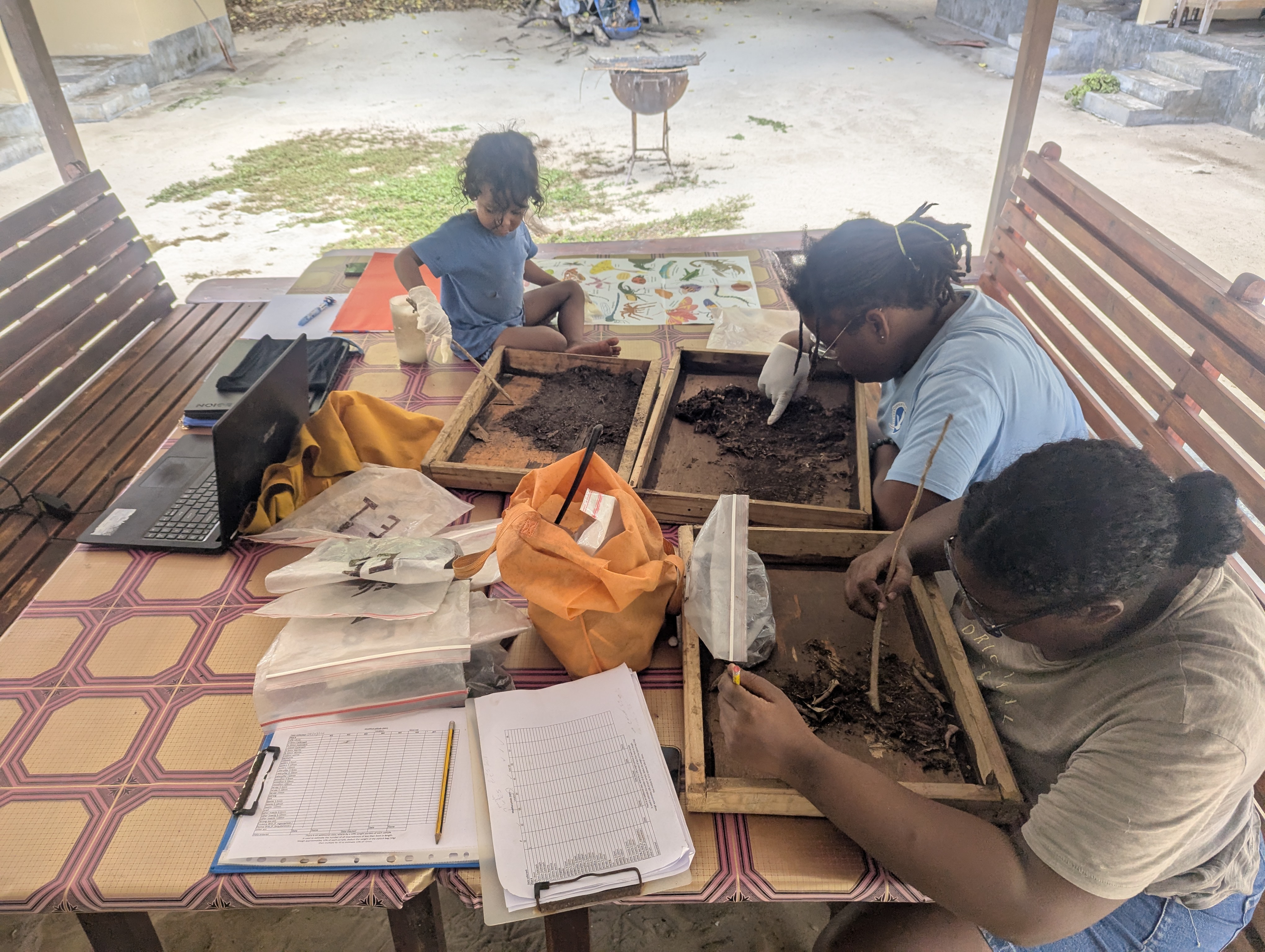
Today, Daniella serves as an Assistant Conservation Officer at Aride Island Nature Reserve in Seychelles, where she co-manages field activities and supports data systems that enable teams to monitor wildlife and habitats more accurately.
The island may look like an Indian Ocean escape, but her work is built on long days in the field, careful observation, and the discipline of turning data into decisions.
“I really love my current role,” she says. “I get to be on the field collecting data and also implementing protocols and ideas. I’m currently implementing data systems for seabirds to ensure data accuracy. It’s a new experience, and it’s amazing.”
Life and Data on Aride Island
Aride has given Daniella one of the defining encounters of her professional life: the return of Sooty Terns.
“In Mauritius, we used bird decoys and recordings to attract Sooty Terns,” she says. “But on Aride Island, we were counting more than 6,000 breeding pairs. That experience marked me for life.”
The moment carried personal weight. In Mauritius, she says, Sooty Terns have disappeared from some islets because of pressures including egg harvesting and invasive predators such as rats. Seeing a large breeding colony in Seychelles, protected by law and supported by public awareness, reminded her of what can still be recovered when people choose to protect what remains.
“It is such a blessing to encounter a young generation in Seychelles that is willing to protect the birds,” she says. “There are laws protecting the species from exploitation, and seeing that gave me hope.”
Biodiversity Begins with People
For Daniella, that hope is tied to people. Throughout her work, she has returned to one principle: efforts to protect biodiversity cannot succeed without the communities that live closest to ecosystems.
“Conservation involves people and communities because we are the owners of biodiversity,” she says. “It starts with us. Communities benefit from these ecosystems through tourism, jobs, and economic opportunities.”
That belief now sits at the heart of MDA EcoBridge Solutions, the consultancy initiative she founded to support awareness, capacity building, training, and community stewardship.
“This new initiative is my way of supporting communities more effectively,” she says. “I want to encourage mindset change through capacity building and stewardship initiatives.”
Local Knowledge, African Leadership
Her approach is also shaped by a clear-eyed view of the barriers young African professionals still face in environmental work. Daniella is candid about models that privilege outside expertise while overlooking local knowledge and lived realities.
“One of the challenges I face is the colonial mindset in conservation,” she says. “Many proposed conservation solutions are driven by Western perspectives and often ignore the realities, cultures, and knowledge of local communities.”
For her, meaningful work must begin with listening. It must treat local people as knowledge holders, partners, and leaders in protecting the ecosystems that sustain them.
How the Charles R. Wall Fellowship Shaped Her Path
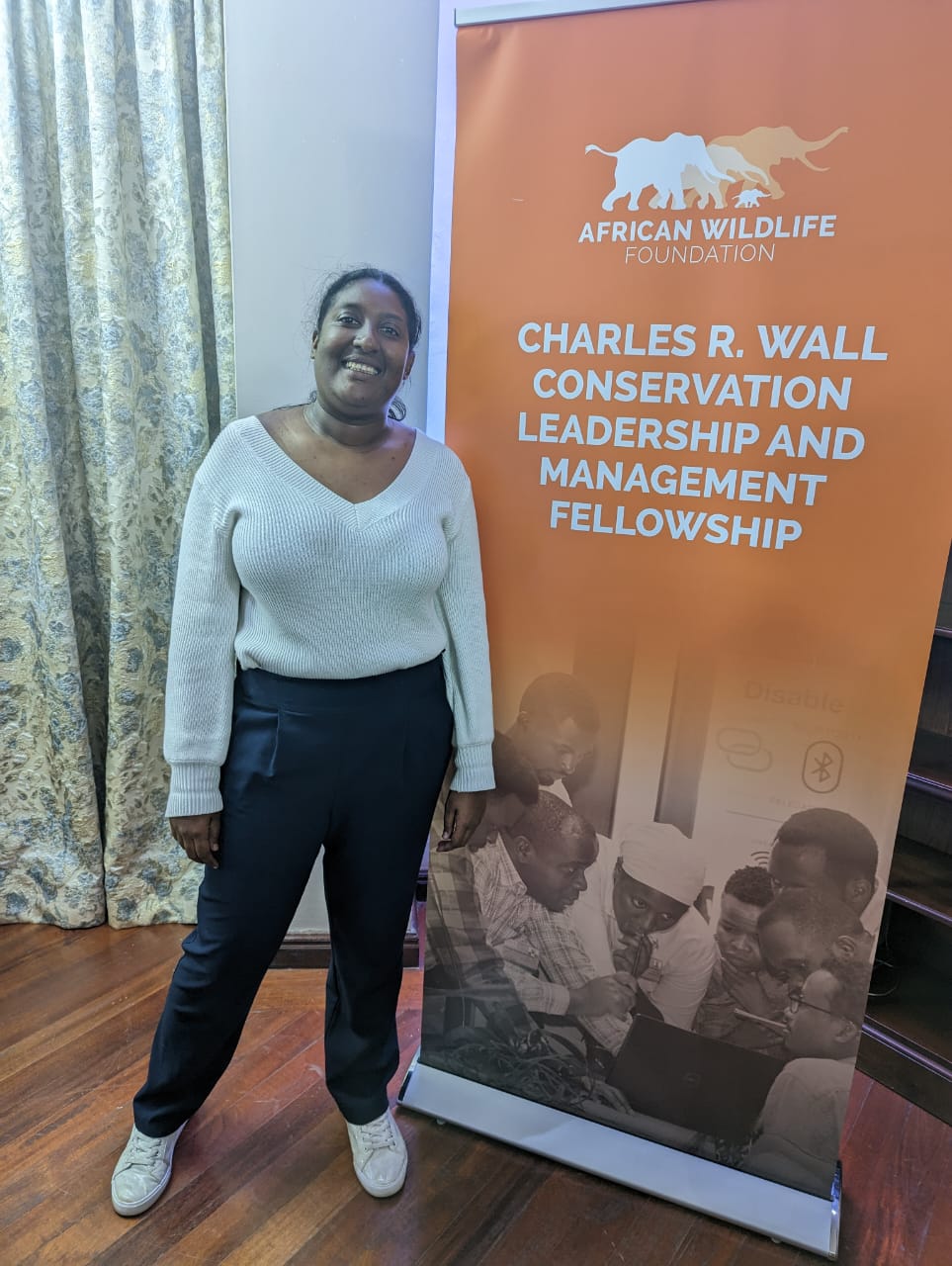
Daniella Aza expanded her knowledge of conservation during her time in the Charles R. Wall Fellowship.
This is where the African Wildlife Foundation’s Charles R. Wall Conservation Leadership and Management Fellowship became an important turning point. Daniella joined the fellowship in 2023 and graduated in early 2024.
For AWF, the fellowship is more than a training program. It is an investment in young African professionals who need stronger leadership, management, communication, and systems-thinking tools to scale their environmental impact.
“That fellowship really changed my perspective,” she says. “I understood that innovation is more than technology. It is understanding a problem, finding meaningful solutions, creating partnerships, and building community capacity.”
The fellowship gave her practical skills that shape her daily work: setting measurable goals, writing proposals, organizing projects, making decisions, and communicating clearly. It also placed her within a network of mentors and peers committed to African-led action for biodiversity.
“I learned how to measure goals, communicate properly, write proposals, organize projects, and make decisions,” she says. “Those skills shaped not only my work, but my daily life.”
For Daniella, the fellowship did not end at graduation.
“They don’t stop after nine months or even two years,” she says. “They stay with you. It becomes a life experience.”
Taking Island Perspectives to Global Platforms
That experience is opening new spaces. In 2026, Daniella participated in ChangeNOW in Paris, joining conversations on climate action, sustainability, youth leadership, and the realities of Small Island Developing States.
“Joining the conference still feels like a dream,” she says. “It was life-changing.”
The platform enabled her to share island perspectives on marine ecosystems, biodiversity, climate resilience, and sustainability while learning from actors in other regions.
Looking ahead, Daniella hopes to contribute more to environmental policy and governance, especially by connecting biodiversity protection with community needs.
Opening the Field for Young Africans
Her message to other young people is direct.
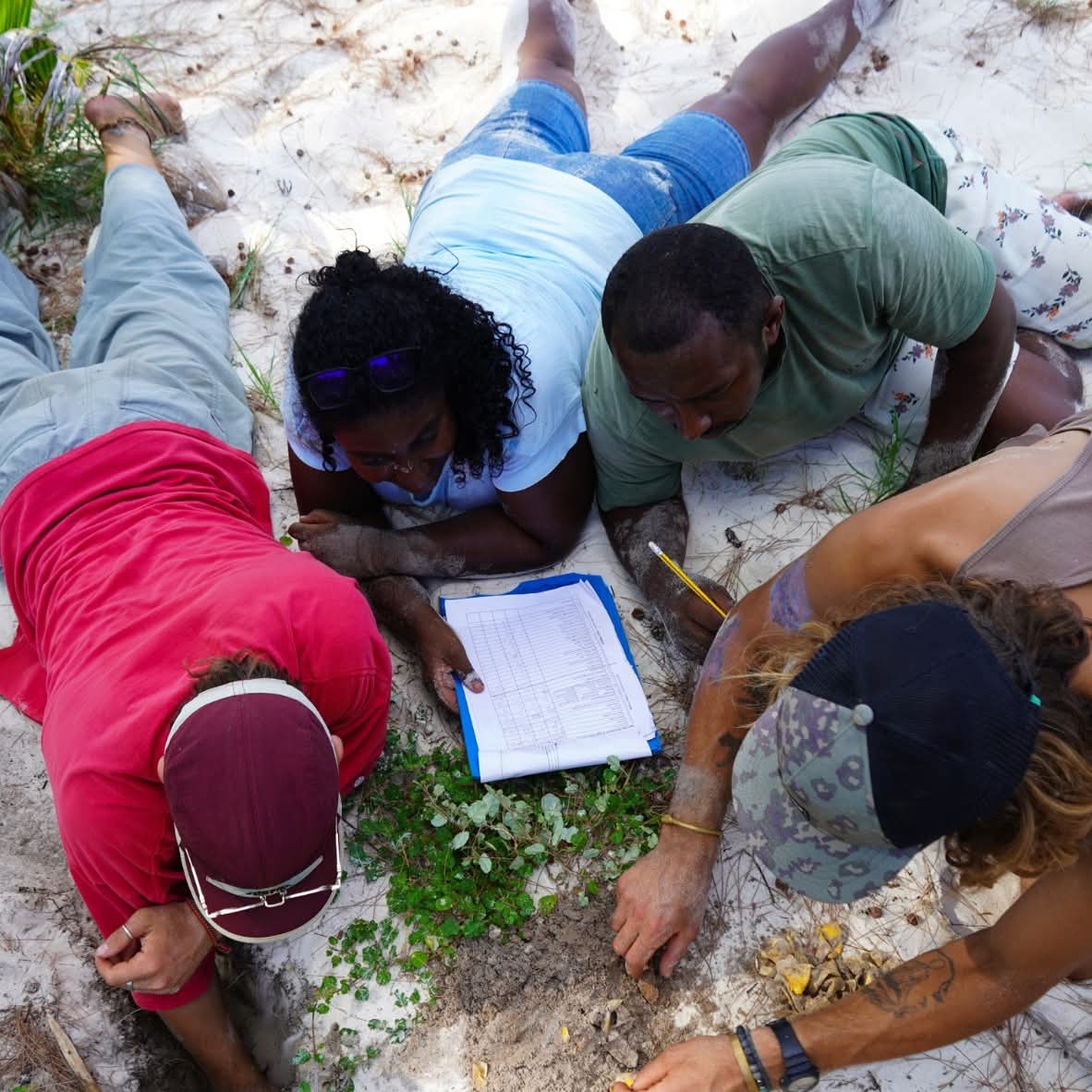
“Volunteer as much as you can,” she says. “Go into the field, participate in conservation and research, and understand the work firsthand.”
From Mauritius to Seychelles and into global conservation spaces, Daniella’s journey shows what becomes possible when passion is strengthened by field experience, community trust, and leadership investment.
For her, conservation is not only about protecting species. It is about preparing people to protect the future they share.