The Next Global Order Will Be Nature-Powered and Africa Is Holding the Blueprint
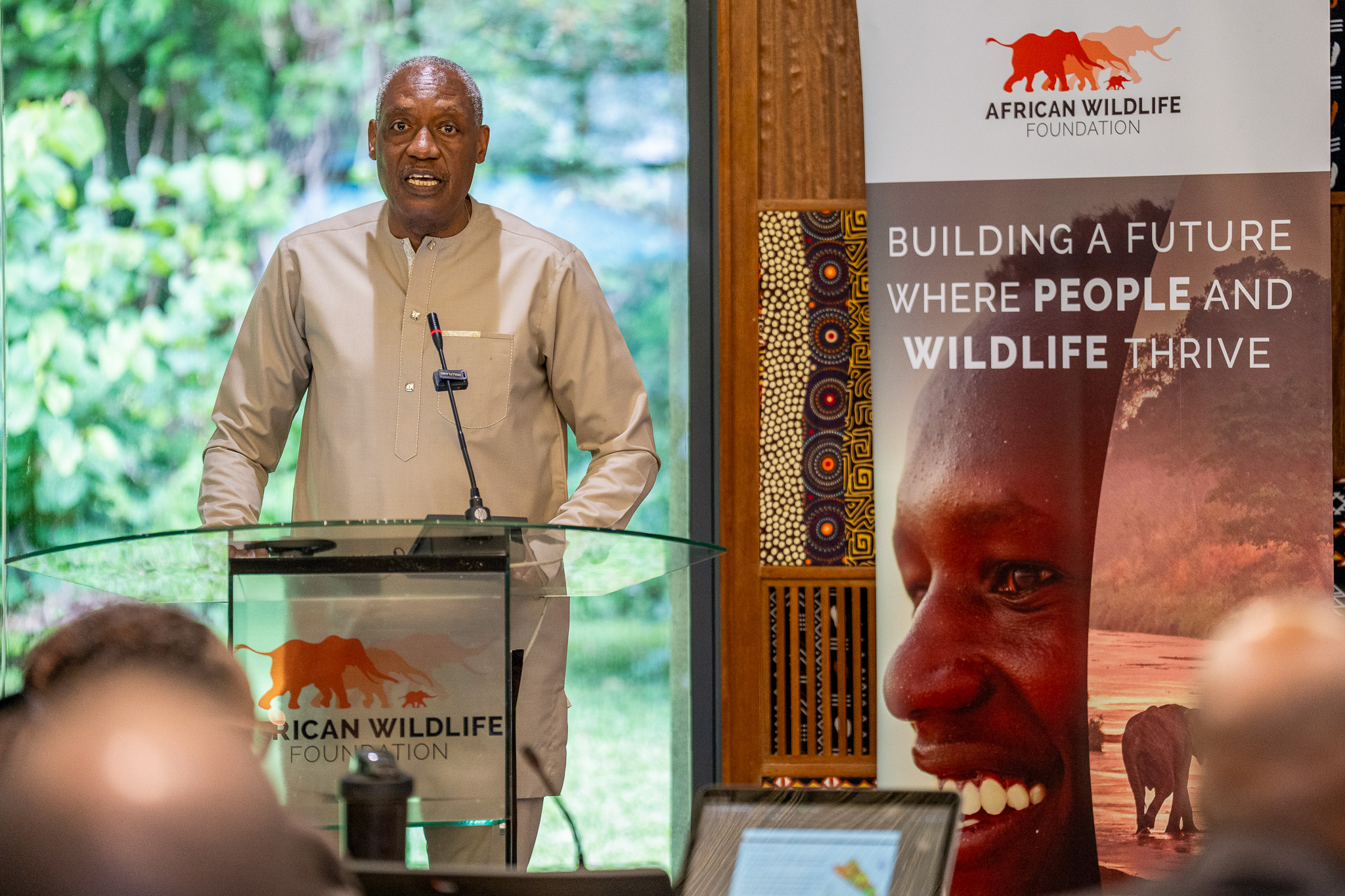
AWF CEO Kaddu Sebunya shares his remarks during the GEF OFP Roundtable workshop at the AWF Headquarters in Nairobi, Kenya.
Africa steps into this new year standing at an inflection point—one defined not by what the world once promised to do for the continent but by what Africa is now positioned to do for itself, and ultimately, for the planet. The forces shaping the next decade—demographic acceleration, geopolitical realignment, economic restructuring, and ecological urgency—are converging in ways the world has never experienced. Whether these forces become a moment of continental leverage depends on the decisions African leaders, institutions, citizens, and partners choose to make from this year forward.
A record cycle of elections across the continent will set the tone for Africa’s governance trajectory, but political transitions are only one part of a broader reimagining of the social contract led by Africa’s young majority.
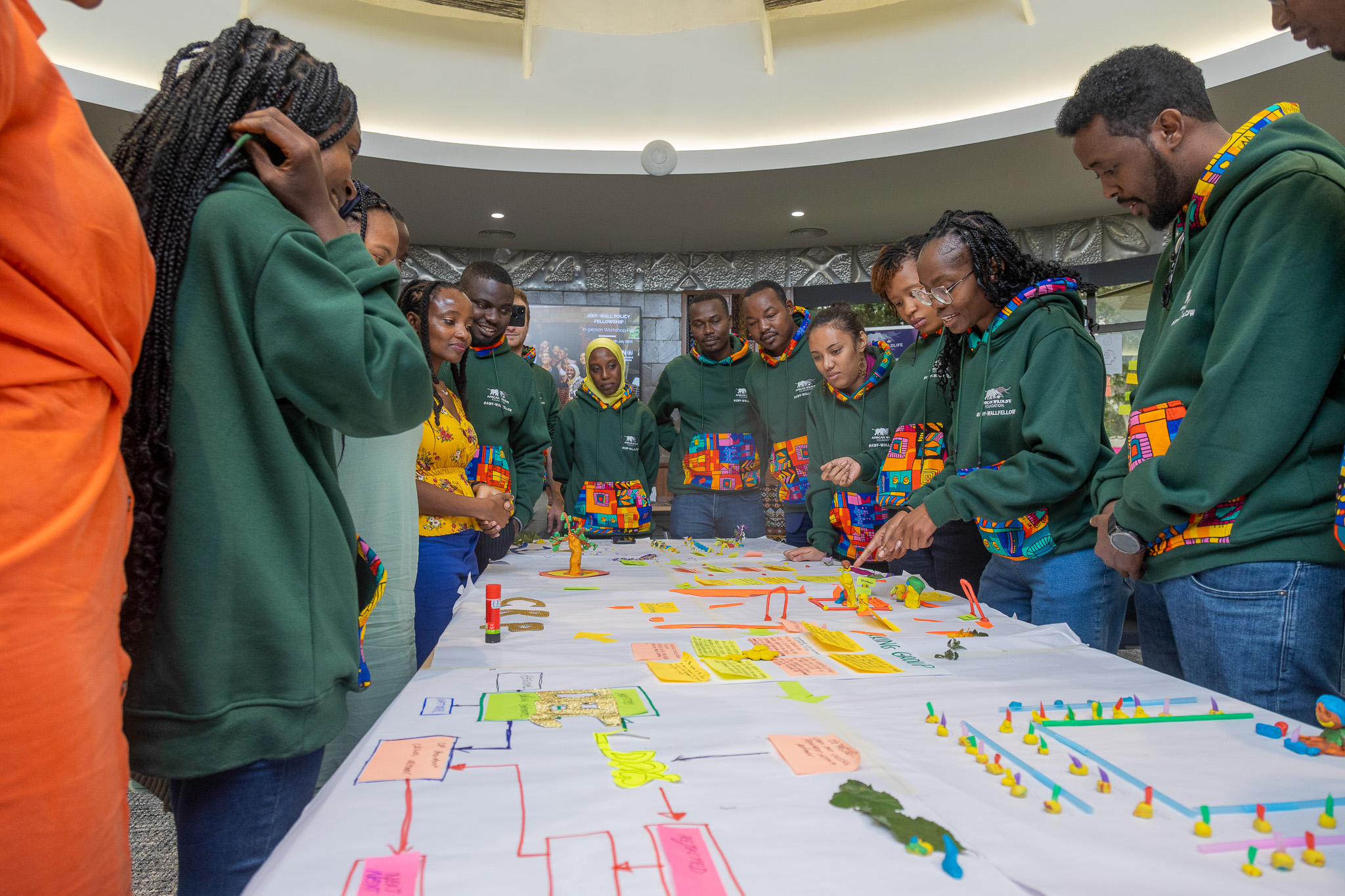
AWF-Wall Youth Leadership Program Fellows during a workshop at the AWF Headquarters in Nairobi, Kenya.
With more than 60 percent of the population under 25, and with one in every three young people on Earth soon to be African, the energy shaping 2026 and beyond will come from youth who are increasingly unwilling to inherit broken systems. Their calls for integrity, economic inclusion, and dignity are no longer episodic protests; they are the early signals of a generation determined to redesign how African societies function.
This coming decade will also be defined by Africa’s expanding entrepreneurial wave. More than one in five working-age Africans is already building a business—one of the highest rates anywhere in the world. What is emerging is not entrepreneurship for its own sake but a shift toward opportunity in sectors grounded in Africa’s biodiversity economy: sustainable agriculture, ecotourism, nature-based products, restoration industries, blue economy ventures, climate innovation, and cultural enterprises deeply tied to land and identity. These are not peripheral activities. In many African economies, they are the economy.
Yet as 2026 begins, Africa faces a strategic paradox. Agriculture and nature-based sectors continue to sustain livelihoods, with agriculture alone accounting for over 40 percent of employment in sub-Saharan Africa and nature-based tourism generating up to US$29 billion annually.
Countries like Zimbabwe are now quantifying the biodiversity economy as a formal pillar of GDP. Still, many young Africans see their futures in technology, design, entertainment, and digital work—sectors they view as modern and aspirational. The real challenge for the new year is not to pull young people back into outdated models of farming and conservation, but to demonstrate that coding, engineering, filmmaking, AI, and digital creativity are not alternatives to Africa’s nature-based economy; they are the engines that can modernize it.

African youth using technology.
This year, Africa has an opportunity to position the biodiversity economy as the most exciting frontier for 21st-century African entrepreneurship. But that requires deliberate architecture: policies that integrate biodiversity into national economic planning, financial instruments that reward conservation stewardship, education systems that normalize green and biodiversity skills, and institutions capable of absorbing and directing investment. Countries like Kenya, where more than 80 percent of economic activity is nature-linked, cannot afford another year of treating ecology and economics as separate conversations.
Strengthening rural–urban linkages will be equally vital in the year ahead. Cities will continue shaping demand, innovation, and investment, while rural landscapes will remain the source of food, water, energy, and ecological stability. If these spheres continue evolving in isolation, Africa risks a fragmented development model, with modern urban centers surrounded by underserved rural regions. In 2026, aligning production and consumption through digital marketplaces, infrastructure planning, logistics, and fairer trade rules must become a political and economic priority.
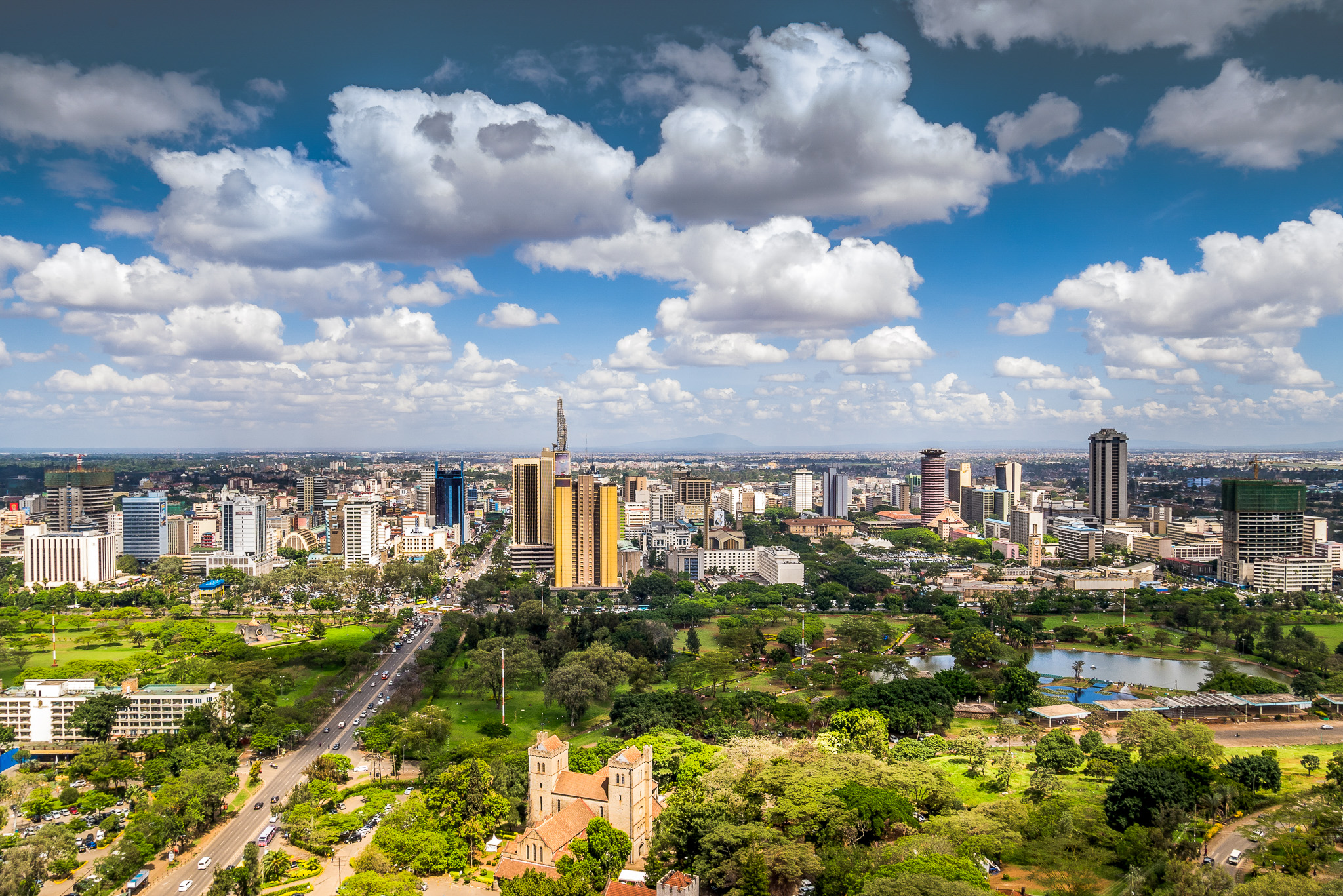
An aerial view of Nairobi's modern cityscape.
Africa’s opportunities this year also sit within a rapidly shifting global context. Multilateral systems are under strain, supply chains are being redesigned, and climate risks are redrawing the map of global security. In this environment, Africa’s ecological assets—forests, rangelands, peatlands, river basins, and wildlife landscapes—are becoming central to global survival. The world is waking up to the reality that Africa is not only a source of critical minerals, food, and energy, but one of the last major custodians of planetary stability.
The African Union’s seat at the G20 provides a platform to shape global norms on climate, trade, and biodiversity. But this opportunity places responsibility on African governments to align their domestic governance with the weight of their global influence. This year, continental institutions and political leaders must signal clarity of vision: Africa is not negotiating from the margins; it is negotiating from necessity, strength, and strategic value.
2026 opens the decade in which Africa must decide whether ecological sustainability becomes a political talking point or the backbone of economic planning. The convergence of youth-driven pressure, entrepreneurial momentum, geopolitical recognition, and ecological necessity creates a historic opening. Charismatic leadership will matter, but institution-building will matter even more. Africa needs ministries that coordinate, treasuries that value natural capital, universities that train for the green and biodiversity economies, and private sectors that see nature not as a cost, but as infrastructure.
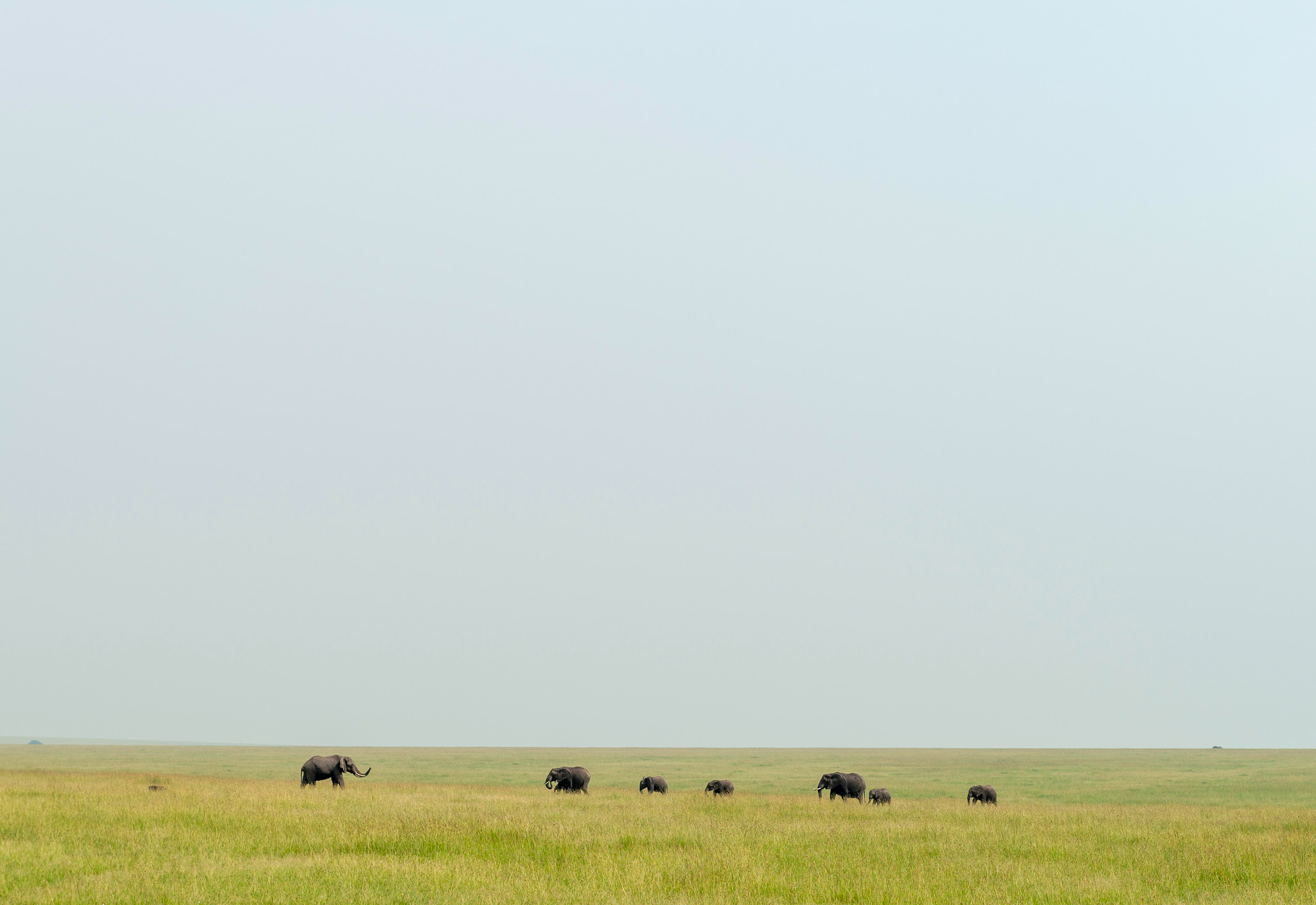
A herd of elephants in the African Landscape.
If Africa aligns political will, economic imagination, and institutional strength with the power of its natural systems, the continent will pioneer a development model the world has never seen—resilient, competitive, and distinctly African. A future where wildlife economies, forests, wetlands, and rangelands are treated as productive infrastructure; where rural and urban prosperity are mutually reinforcing; and where African entrepreneurs build globally competitive industries rooted in ecological and cultural advantage. In the global order taking shape, Africa’s voice is not meant to be reactive. It is meant to be directional.
The defining choice of this new year, and of the decade it begins, is simple: Will Africa treat nature as a cost of development or as the force that propels Africa’s rise? Our answer will shape the continent we build and the world that emerges with it.