Protecting Cameroon’s Dja Faunal Reserve: Turning Conservation Investment into Action
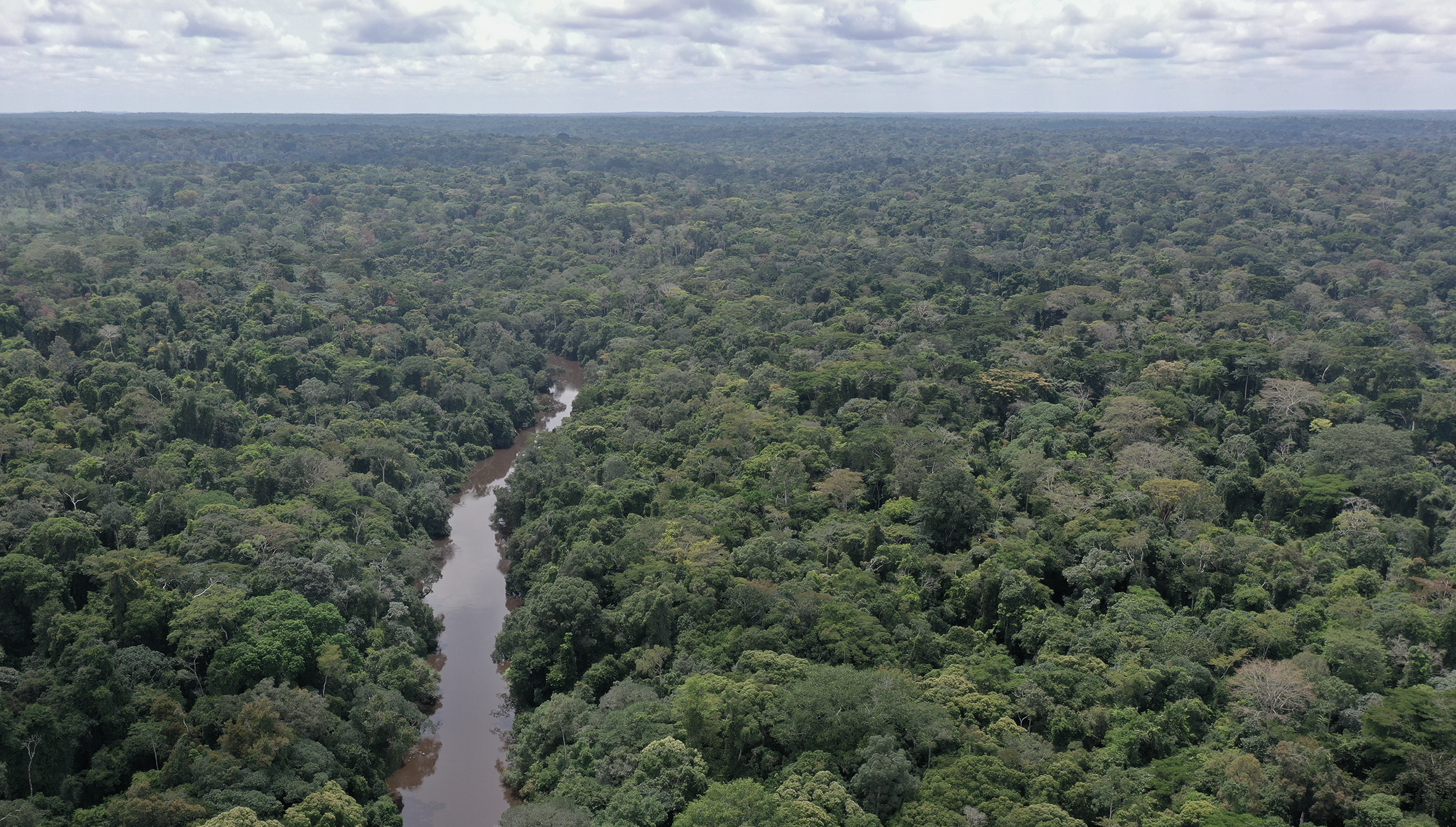
The Dja Faunal Reserve in Cameroon. © Guerchom Ndebo
From training eco-guards and equipping patrol teams to strengthening community reporting, sustained conservation investment is helping protect wildlife and respond to trafficking in one of the Congo Basin’s most important forests.
Deep in the forests of eastern Cameroon, protecting wildlife often begins long before a rescue takes place. It begins with people who know what to look for, communities that know when and how to report a threat, and conservation teams that have the skills, equipment, and information needed to act.
This is increasingly important in the Dja Faunal Reserve, one of Cameroon’s most important natural strongholds and one of the Congo Basin’s most valuable forest landscapes. Covering more than 526,000 hectares in eastern Cameroon, the reserve was declared a UNESCO World Heritage Site in 1987 and remains one of Africa’s most intact rainforests, with about 90% of its forest still undisturbed. It is home to more than 100 mammal species, including 14 primates, such as western lowland gorillas, chimpanzees, mandrills, and drills.
Yet even a forest that appears intact can be under pressure. Illegal hunting, wildlife trafficking, logging, and encroachment often happen deep inside the landscape. By the time an animal is discovered in captivity or signs of illegal activity are found, significant damage may already have been done.
Protecting the Dja therefore depends on having people on the ground who are prepared to recognize those threats and respond to them. Since 2019, the African Wildlife Foundation (AWF) has worked with Cameroon’s Ministry of Forestry and Wildlife (MINFOF) to strengthen protection of the Dja landscape. With funding from the European Union through the Natura Sud-Est project, AWF has supported reserve authorities, traditional leaders, and local communities to turn conservation from a reactive effort into a more informed and coordinated system.
Building the Capacity to Protect Wildlife
A major part of that investment has been training. Eco-guards have received training in data management, biostatistics, defense techniques, wildlife crime investigations, seizures, judicial procedures, and rights-based conservation training. These are practical skills that matter when teams are operating in difficult conditions and dealing with increasingly complex threats to wildlife.
The training is about more than giving people new knowledge; it gives them the confidence and practical ability to make decisions in the field, to gather information correctly, to respond to wildlife crime, and to ensure that cases are handled in accordance with the law.
Putting the Right Tools in the Hands of Eco-Guards
In addition to training, the eco-guards have been equipped with tools including GPS devices, Garmin inReach communication equipment, and access to EarthRanger, allowing teams to navigate, communicate and record information while working across the reserve.
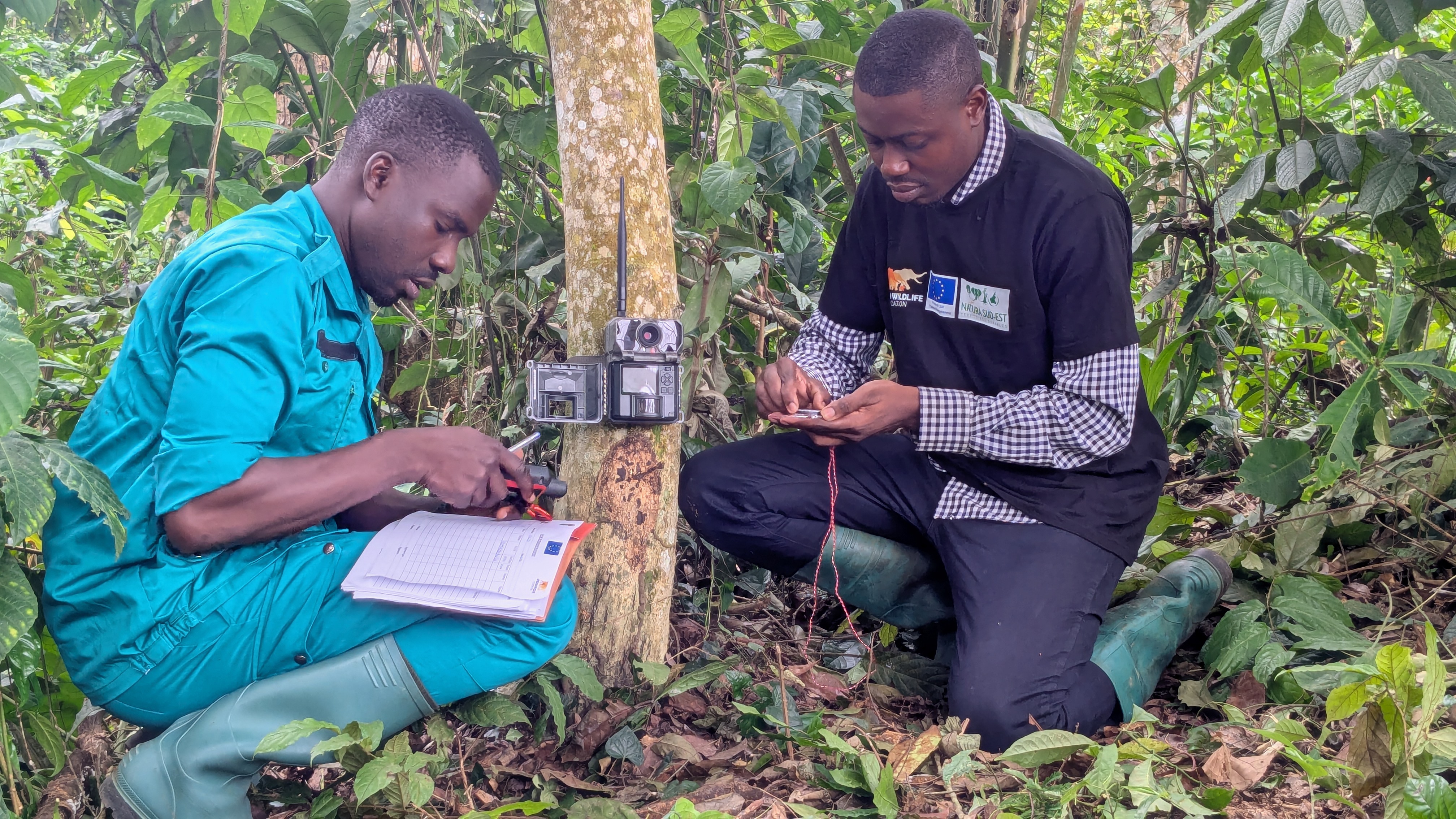
AWF Biomonitoring staff member, Peter Pikwah, trains an eco-guard on camera trap installation and the use of GPS for tracking.
Between July 2025 and June 2026, these tools supported 222 patrol missions across the reserve, allowing eco-guards to reach remote areas, monitor wildlife, and detect signs of illegal activity that might otherwise go unnoticed. Each patrol helped strengthen the protection of the Dja by giving teams a clearer understanding of what was happening on the ground and where action was needed.
In a landscape as large as the Dja, this makes a significant difference. Teams can record where wildlife is being observed, identify signs of illegal activity, document patrol movements, and communicate information from remote areas. During the same period, patrol teams destroyed an average of 31 poachers’ camps each month inside the reserve.
Communities as the First Line of Wildlife Protection
Communities have also been brought into this effort. People living around the reserve have been trained to recognize and report wildlife trafficking, understand Cameroon’s wildlife laws, and participate more actively in protecting the natural resources around them.
At the same time, AWF supported livelihood activities, including sustainable cocoa farming, fish farming, and other cash-crop opportunities, recognizing that long-term conservation cannot be separated from the well-being of the communities living alongside the reserve.
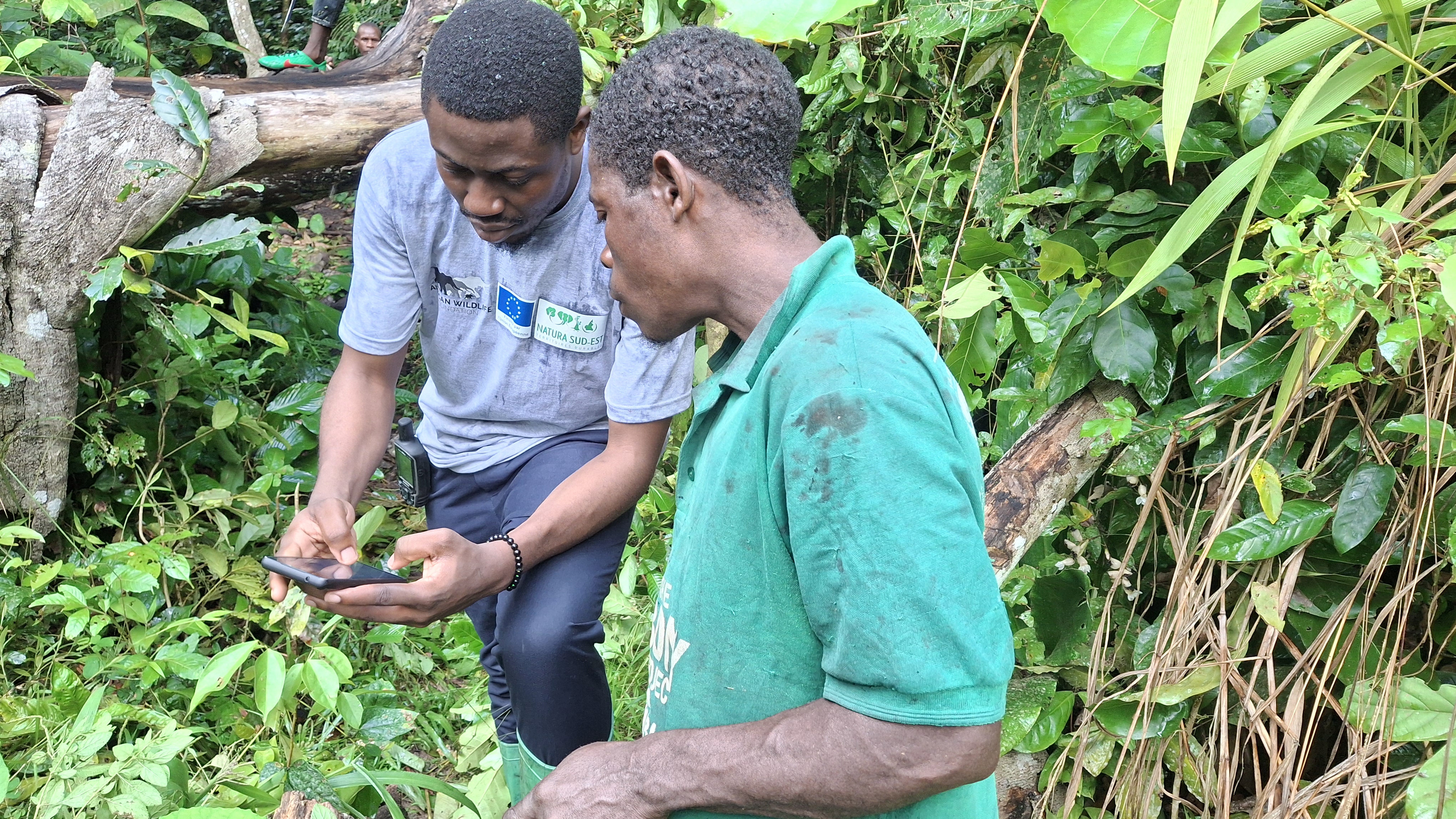
Peter Pikwah trains a community member on identification and reporting of identified wildlife trafficking.
From Information to Rescue
All of this investment matters because information only creates conservation impact when it can lead to action.
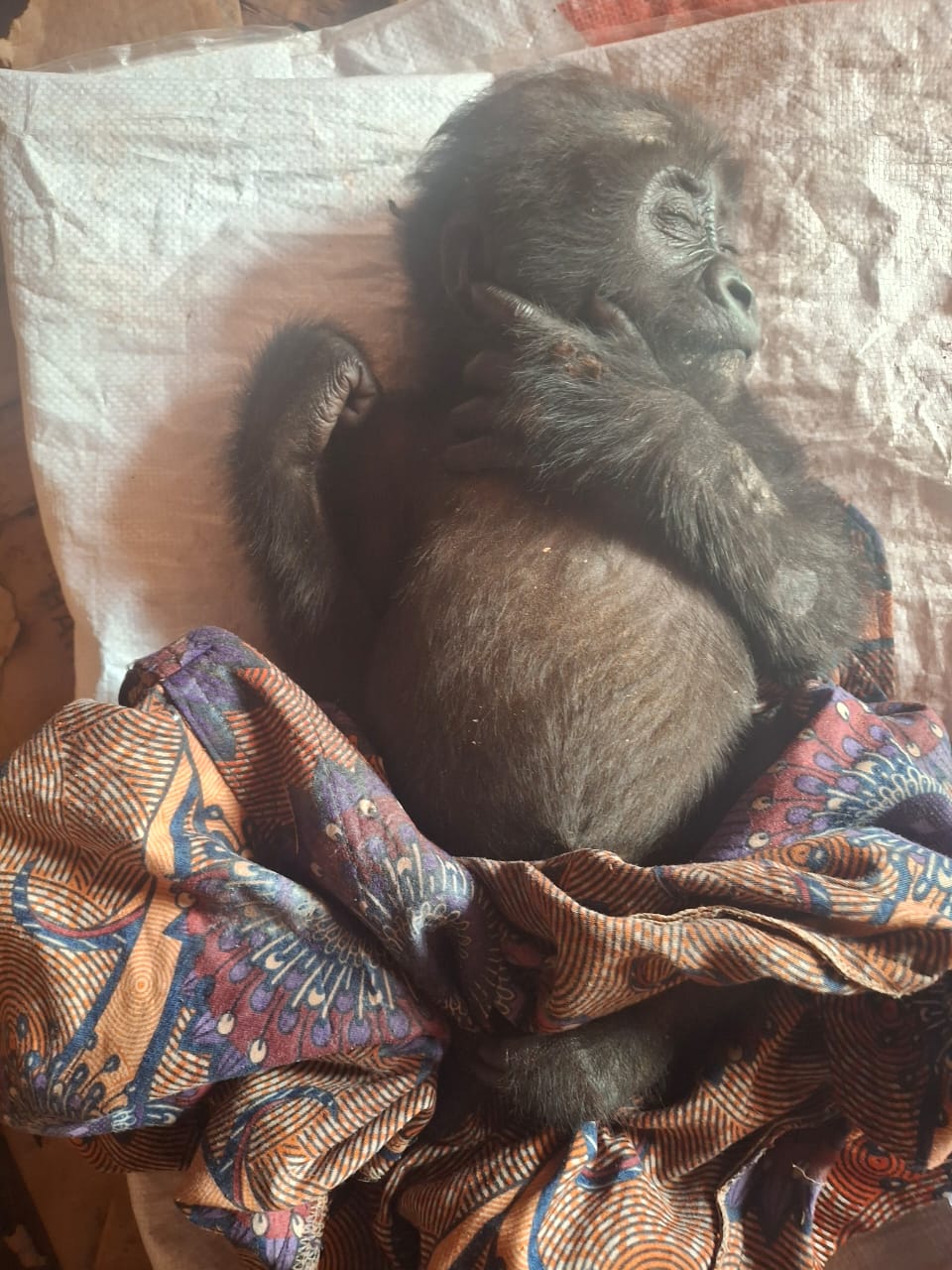
A rescued female gorilla receiving proper care at the Ape Action Center in Yaoundé, Cameroon.
In July and early August 2026, that connection became clear when information from communities in the eastern sector of the Dja helped conservation authorities and AWF respond to cases involving a young female gorilla, a young female chimpanzee, and a pangolin.
The animals were seized and removed from the trafficking chain. The offenders were referred to court, while the rescued animals were transferred to accredited animal-care facilities in Cameroon, including Mvog-Betsi Zoological and Botanical Garden, Mefou National Park, and the Tikki Hywood Foundation. There, they can receive the care and rehabilitation they need and have a chance of returning to the wild.
These rescues show what conservation investment can achieve when different parts of the system work together. A community member has the knowledge and confidence to report a suspected wildlife crime. A trained eco-guard understands how to respond. The team has the equipment to communicate and navigate in a remote part of the forest. Conservation authorities have the information needed to act, and the partnerships are in place to ensure that rescued animals receive appropriate care.
The numbers also show the growing ability of teams and communities to detect and respond to wildlife trafficking. Between July 2025 and June 2026, 37 live animals were rescued from trafficking, compared with 29 during the previous reporting period.
While this increase should not be taken to mean that the threat itself is declining, it does demonstrate that more cases are being detected and that conservation teams and communities are increasingly positioned to respond.
Sustained Investment in the Dja Landscape
For the Dja landscape to remain a stronghold for wildlife that depend on its forests, the people protecting it need the skills, tools, and resources to act when it matters most. Investing in conservation means investing in the people and systems that make protection possible to respond to emerging threats. These investments ensure that those working on the ground are equipped to detect change, respond to threats, and protect the forest effectively, today and into the future—because behind every conservation investment is the potential for a real intervention in the forest when it matters most.