David Attenborough, A Gorilla Story and AWF’s Conservation Work in Rwanda
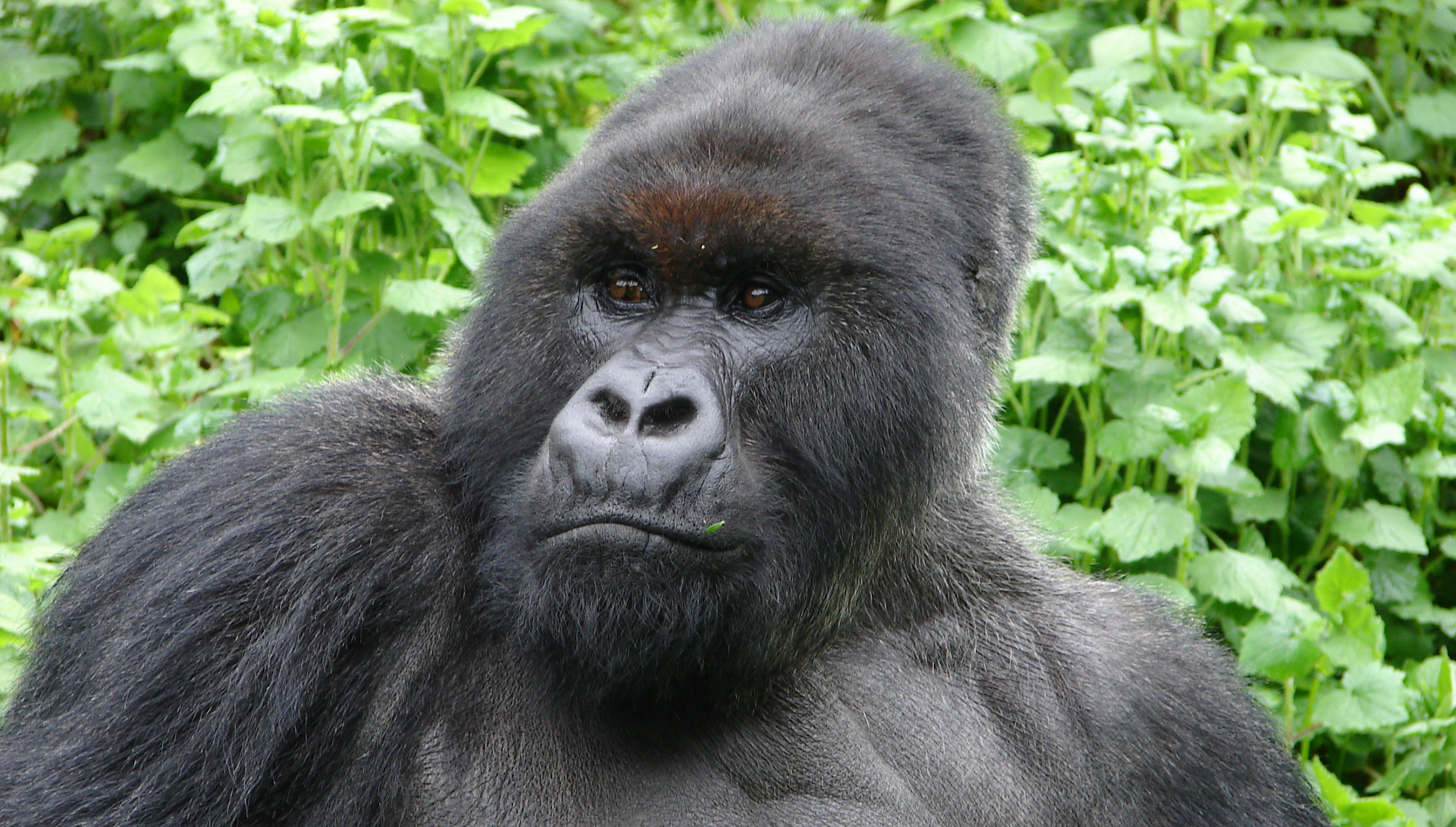
Pablo, a charismatic and playful gorilla. Credit: Dian Fossey Gorilla Fund.
For decades, the African Wildlife Foundation has helped lay the foundation for mountain gorilla conservation in Rwanda—protecting this endangered species while catalyzing the growth of the country’s ecotourism sector. Our engagement dates back to the late 1960s, when we supported early scientific research and helped advance transboundary collaboration across the Virungas landscape, laying the groundwork for what would become Rwanda’s high-value gorilla tourism industry.
Today, in partnership with the Government of Rwanda, we continue to expand critical gorilla habitat and improve the wellbeing of communities living around Volcanoes National Park through integrated conservation and development efforts. To commemorate Earth Day under the theme “Our Power, Our Planet,” we reflect on what that collective effort has achieved: a steadily growing population of mountain gorillas and increasingly expansive protected habitats.
This progress is built on decades of science, collaboration, and storytelling. As part of this shared legacy, we also recognize the Dian Fossey Gorilla Fund, whose pioneering work in Rwanda began in 1967 and continues to play a critical role in advancing mountain gorilla conservation today.
In that spirit, we spoke with Veronica Vecellio, Senior Advisor of the Gorilla Program and Director of Field Communication and Engagement at the Dian Fossey Gorilla Fund, to unpack the science and emotion behind the film A Gorilla Story: Told by David Attenborough.
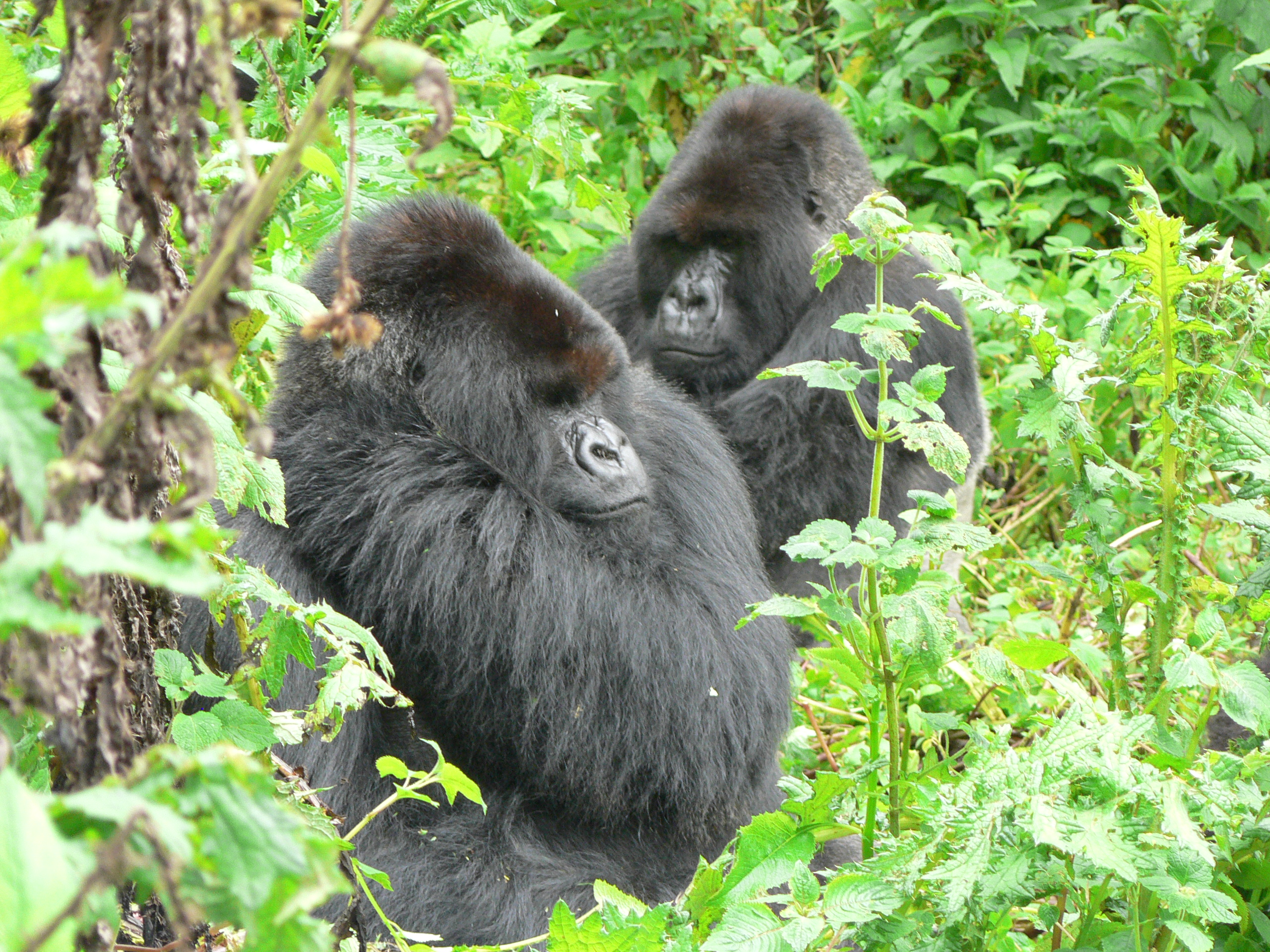
Gorillas relax in the Volcanoes National Park Landscape. Credit: Dian Fossey Gorilla Fund.
What makes this documentary different from the other films about mountain gorillas?
Veronica Vecellio: What sets this film apart is its focus on the gorillas themselves, rather than humans. David Attenborough adds depth with his narration and personal memories, but the story is led by the gorillas; about their lives, relationships, and world creating a more intimate view of them as individuals worth protecting.
You brought years of scientific observation into the filmmaking process. How did that shape the story?
Veronica Vecellio: Understanding gorillas requires deep knowledge built over decades of studying their ecology, social lives, and history. With nearly sixty years of observation, especially Pablo’s group, researchers can interpret what’s on screen as part of a larger social story shaped by individual relationships, not just isolated moments.
The filmmakers remained committed to authenticity, following real events rather than forcing a narrative.
Documentary filmmaking often seeks the perfect shot. How did you keep filming while observing strict field protocols?
Veronica Vecellio: Filming was kept very strict, with park authorities and Fossey Fund staff ensuring protocols were followed, and the gorillas remained undisturbed.
The crew accepted that the gorillas’ welfare came first, even when visibility was poor, or filming required long waits. This commitment to not forcing shots is what gives the film its authentic feel.
Was there one moment during filming that felt truly extraordinary?
Veronica Vecellio: Yes, the dominance shift from the former leader, Gicurasi, to the younger Ubwuzu was one of the most remarkable moments of the filming period.
Dominance changes are rare because gorillas usually live in very stable groups. What made this case especially striking was the way it happened. Ubwuzu used a very physical approach to challenge dominance. It became a defining moment for production because it captured a major social change unfolding in real time.
Volcanoes National Park can be physically unforgiving. What did the landscape demand from the team?
Veronica Vecellio: Volcanoes are demanding. Reaching the gorillas can take several hours of steep and difficult trekking, and the gorillas did not make it any easier.
The crew had to adapt quickly. After a few weeks of climbing up and down the mountain, they caught up with the trackers and became some of the strongest members of the team.
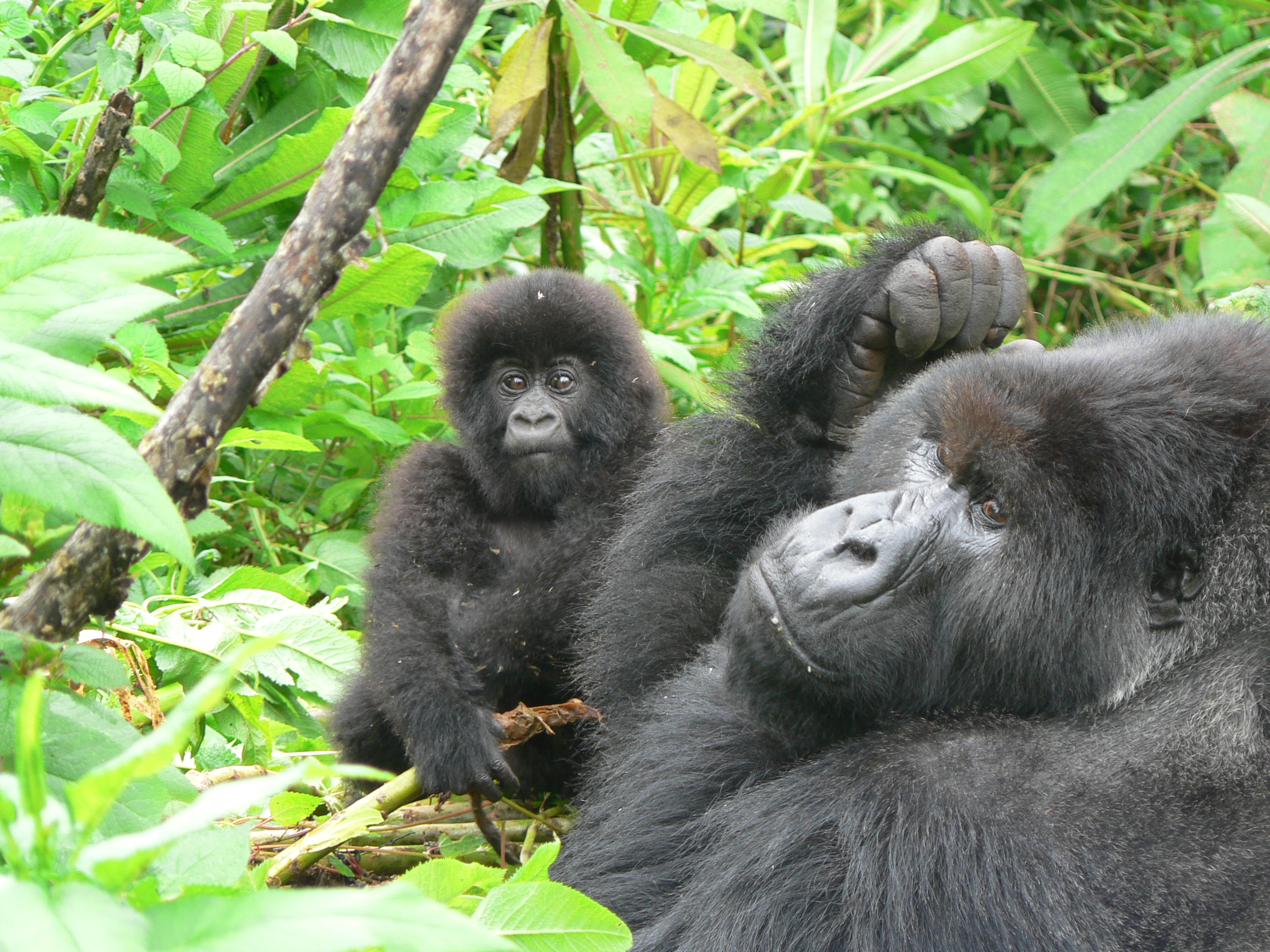
Pablo with a youngster. Credit: Dian Fossey Gorilla Fund.
Is there a gorilla in the documentary whose story resonates with you most? What makes their story especially significant in representing the broader journey of the species?
Veronica Vecellio: Pablo stands out to me for his unique personality and central role in the group’s history. Although he had the strength of a dominant leader, he spent most of his life second in command in a role that proved deeply important.
His story shows that leadership in gorillas isn’t just about dominance, but the different roles they play—highlighting the film’s message about the diversity of gorilla personalities.
What do you hope viewers take away after watching the film?
Veronica Vecellio: I hope people fall in love with gorillas—the joy, the heartbreak, the humanity in their lives. Because once you truly connect with a species, protecting it stops being abstract; it becomes personal.
About The Dian Fossey Gorilla Fund
The Dian Fossey Gorilla Fund is the world’s longest-running and largest organization dedicated to gorilla conservation. Established in 1967 by famed primatologist Dian Fossey, the Fossey Fund works in Rwanda and the Democratic Republic of the Congo to protect and study critically endangered wild gorillas and their habitats, and to support the people who share the gorillas’ forest home. For more, visit: gorillafund.org. Follow the Dian Fossey Gorilla Fund on social at @savinggorillas.