Kordofan Giraffes in Cameroon’s Faro Show Signs of Recovery
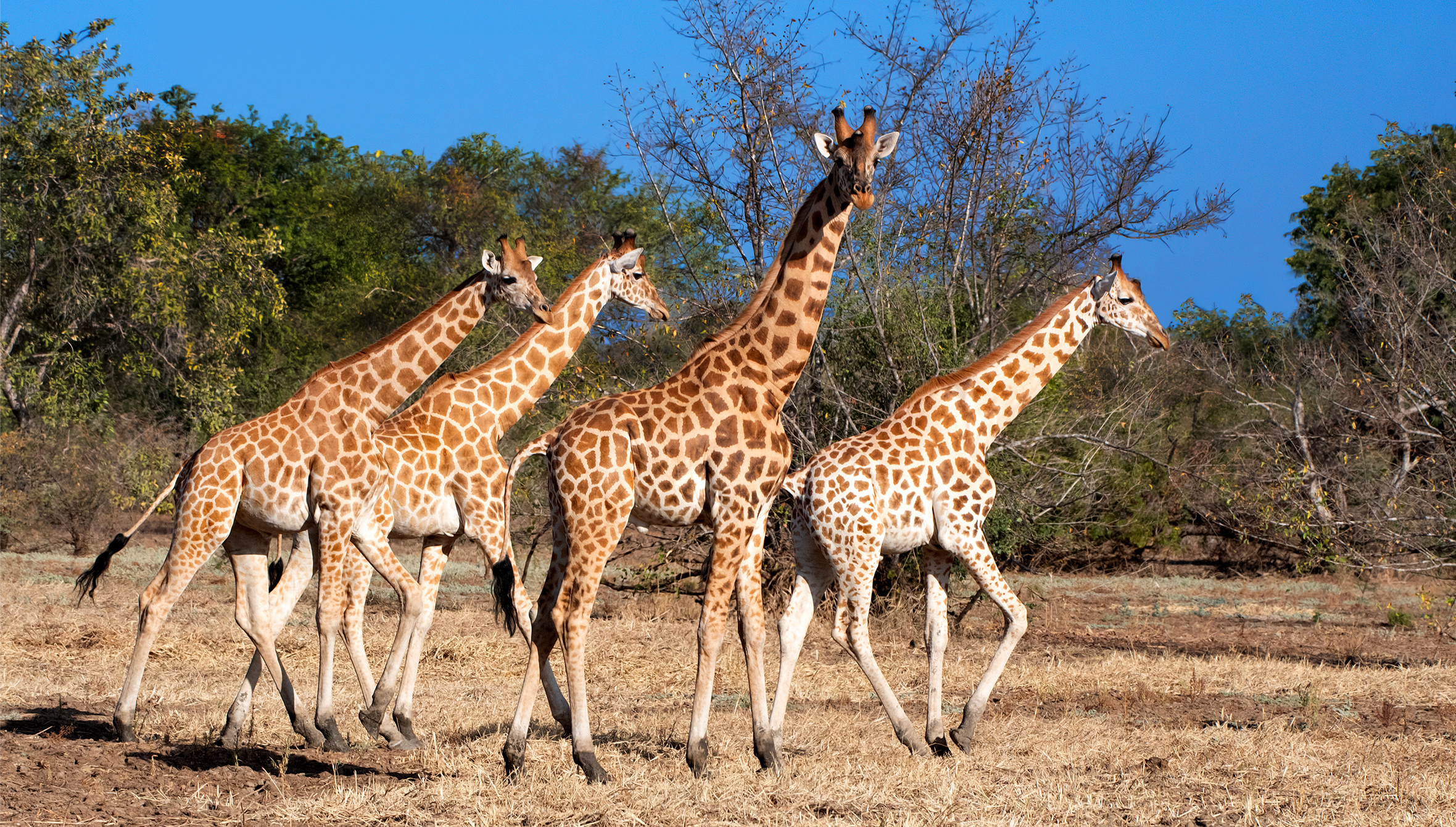
Kordofan giraffes move across the African savanna.
In Faro National Park in northern Cameroon, the recovery of the critically endangered Kordofan giraffe is being seen through movement, behavior, and the formation of new giraffe groups. Since 2025, the African Wildlife Foundation has been closely monitoring two individuals: Ejame, a female whose name means “my own,” and Ekom, a male whose name means “pride.”
Recently, both giraffes were observed joining new families. For conservation teams working in Faro, this is more than routine sighting; it is an important sign of social stability in a fragile population and a possible indication that the landscape is still able to support recovery.
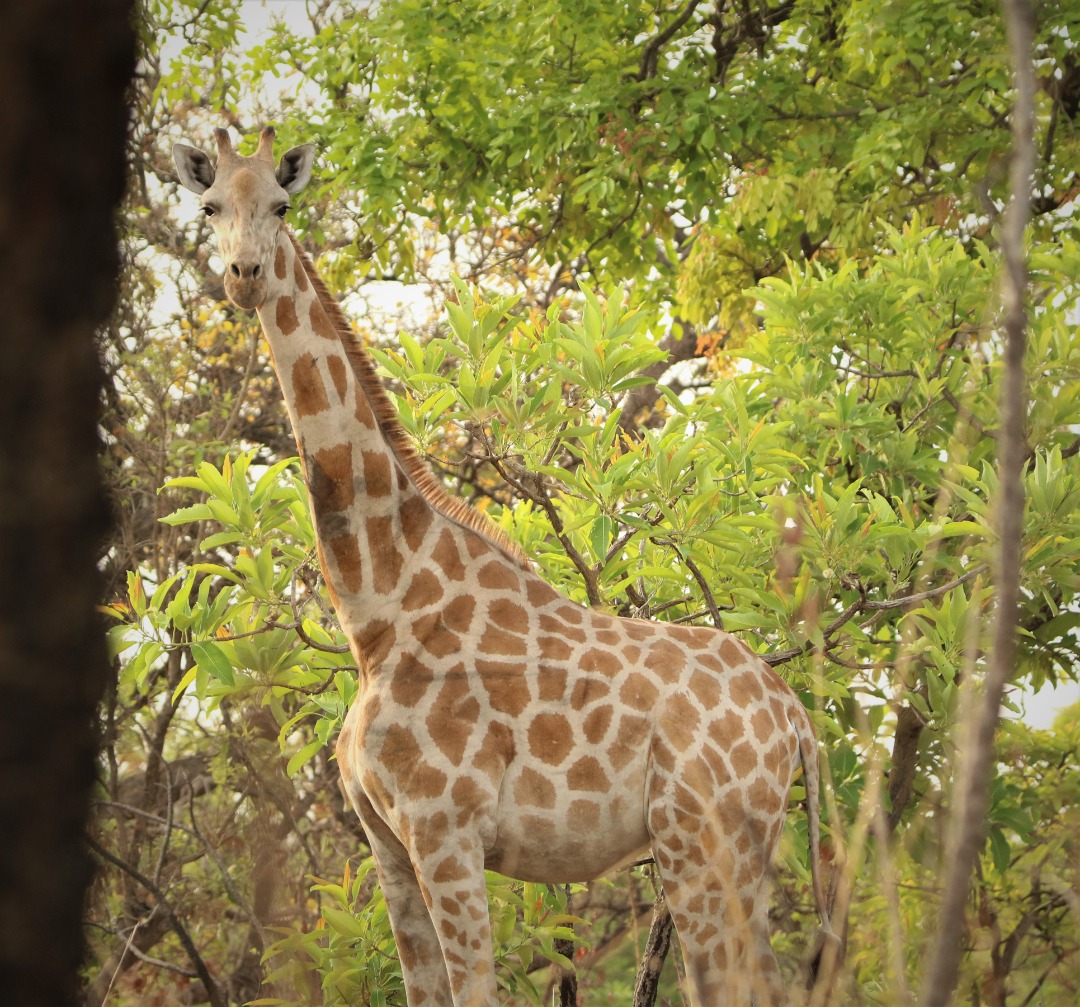
Ekom, whose name means "pride," is a young male Kordofan giraffe in Faro National Park.
“Tracking Ejame and Ekom as they join new families tells us the population is healthy enough to support social expansion and genetic diversity,” says Anthony Agbor, AWF Faro Landscape Director.
The observation matters because Kordofan giraffes live in a fission-fusion society, where groups merge, separate, and reorganize over time. Understanding these patterns helps conservation teams assess whether giraffes are finding safe routes to water, food, and suitable habitat.
“If giraffes avoid certain areas, it often signals encroachment, enabling us to advocate for buffer zones and stronger protection. Monitoring also helps us understand social stability,” explains Agbor.
Why Kordofan Giraffes Matter to Faro
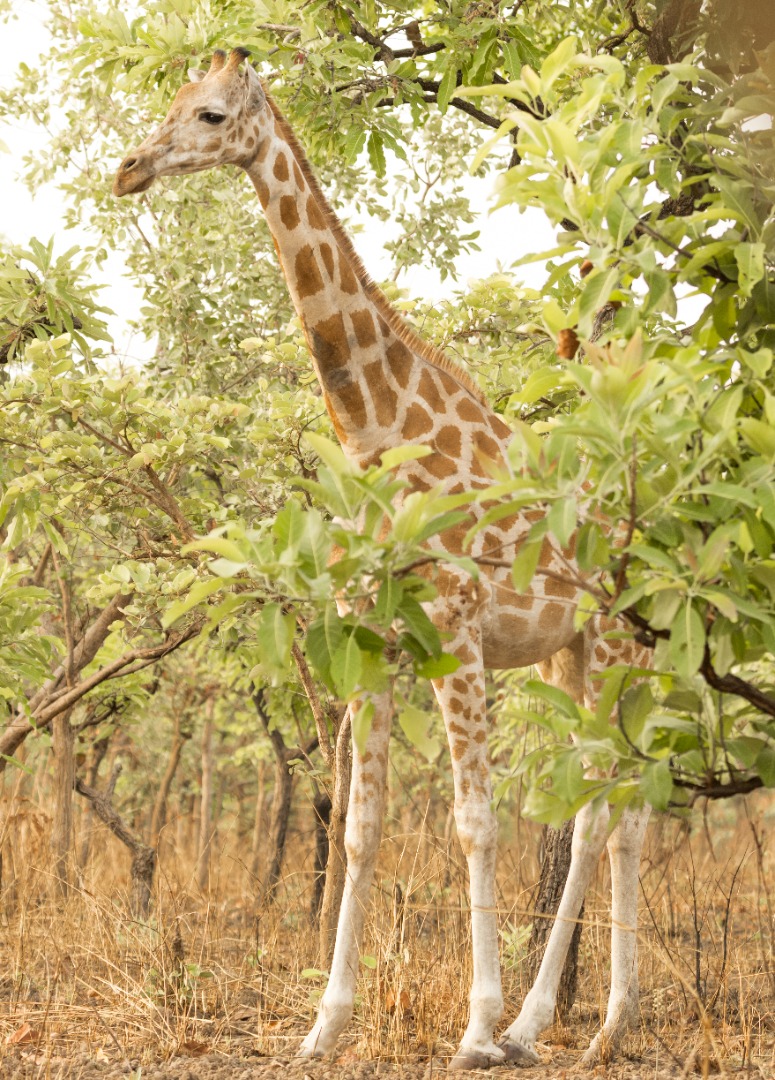
Ejame, a proud Kordofan giraffe adapting to her new family in Faro National Park.
Giraffes are among the most recognizable species in Africa, but their ecological role is often underappreciated. By browsing trees, they influence vegetation structure and stimulate new growth.
As they cover long distances, they disperse seeds through nutrient-rich dung, supporting regeneration far from parent plants.
Their height also gives them an advantage in detecting predators. Other herbivores, including antelopes, often benefit from this vigilance. In this way, giraffes contribute to the health and balance of the wider landscape.
Yet the Kordofan giraffe remains under severe pressure. Listed as critically endangered on the IUCN Red List, fewer than 2,300 individuals remain in the wild. Cameroon’s northern parks, including Faro, are among the remaining strongholds for the subspecies.
That recovery is still vulnerable. Expanding agricultural zones, illegal gold mining, and seasonal livestock movements continue to fragment habitat and increase pressure on protected areas. When cattle enter wildlife areas, competition for water and forage intensifies, while the risk of disease transmission also rises. These pressures make consistent monitoring and landscape-level protection essential.
Non-Invasive Science Guiding Protection
To better understand how giraffes use Faro, AWF deploys non-invasive monitoring tools, including camera traps, habitat surveys, and field observations. These methods allow conservation teams to study giraffe movement and behavior without disturbing the animals.
Camera traps help identify critical corridors and movement patterns. Field surveys help teams document key sites such as salt licks, ponds, and feeding areas. Together, the data provides a clearer picture of where giraffes move safely, where they face pressure, and where protection must be strengthened.
This work is supported by partnerships that make long-term monitoring possible. The European Union provides support for integrated park management and ranger training, while Simply Southern contributes resources that help sustain field monitoring. These partnerships help ensure that giraffes like Ejame and Ekom are not only recorded but protected through informed conservation action.
Youth Knowledge Strengthening Conservation
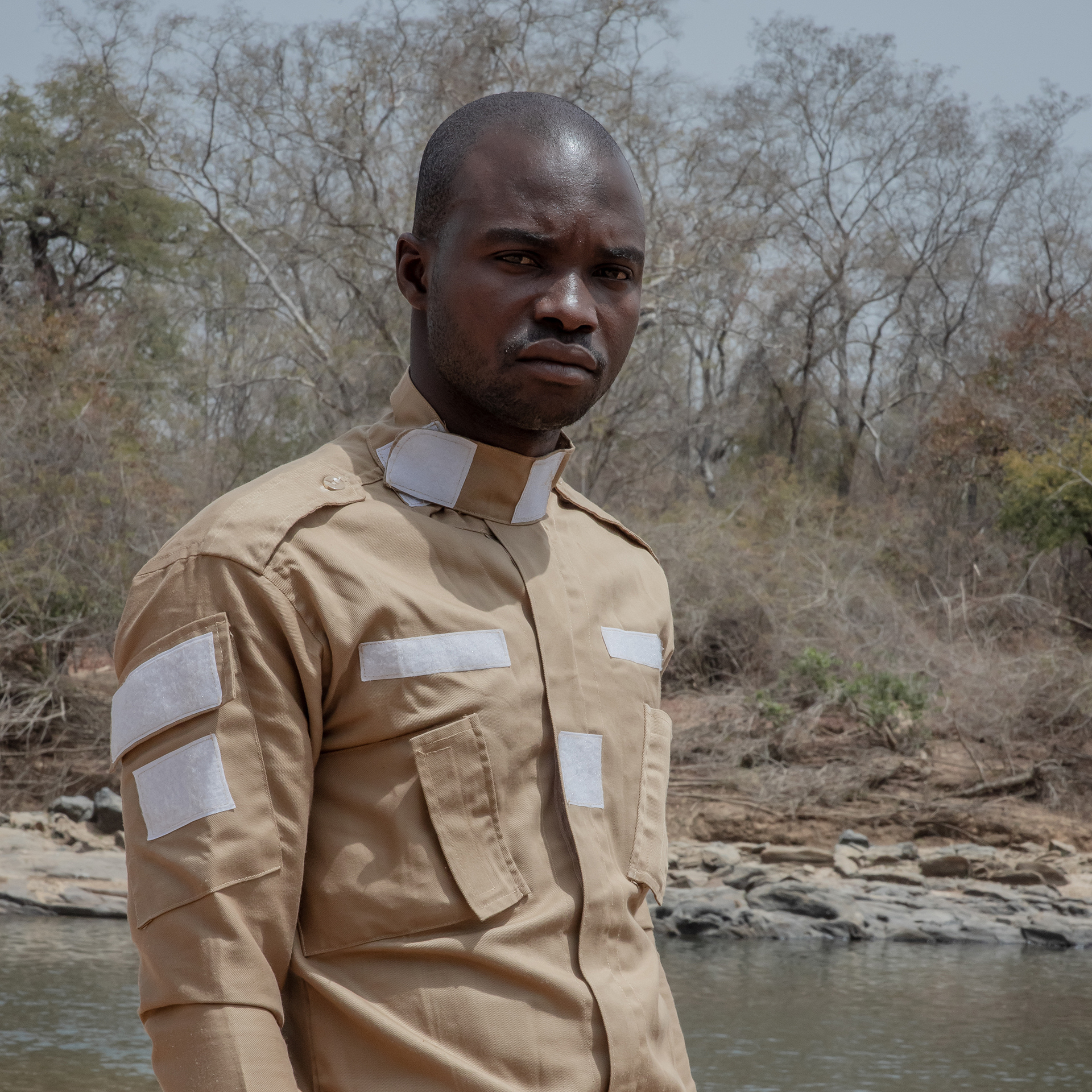
Dairou Souley in Faro National Park.
The recovery of Faro’s giraffes also depends on the knowledge and commitment of people who understand the landscape on the ground. Among them is Dairou Souley, a volunteer conservation support staff member and native of Faro.
Since 2023, Souley has supported ecological monitoring missions in the park. His work includes setting up camera traps, conducting daily surveys from AWF-constructed watchtowers, joining reconnaissance missions, identifying important giraffe sites, and collecting wildlife survey data.
His knowledge of the terrain and wildlife behavior helps guide teams to critical areas and strengthens the quality of the data collected.
“As a young volunteer, I feel proud to give back to Africa by protecting the wildlife and forests around my home,” says Souley. “Every time we check a camera trap or record giraffe movements, I know we are helping the biodiversity grow stronger in this landscape.”
Souley’s story shows how youth engagement can strengthen conservation outcomes. His role connects scientific monitoring with community knowledge, creating a practical bridge between protected area management and the people who live closest to wildlife.
“Africa’s future depends on its youth,” he explains, “and here in Faro, we are already proving that young people can lead conservation on the ground.”
A Shared Commitment to Recovery
Ejame and Ekom have become important markers of what is possible in Faro. Their movement into new giraffe groups reflects the value of patient monitoring, local knowledge, ranger vigilance, and sustained partnerships.
Their story is also tied to the people working to protect them. From field teams and rangers to young conservation volunteers like Souley, giraffe recovery in Faro is being built through daily effort and long-term commitment.
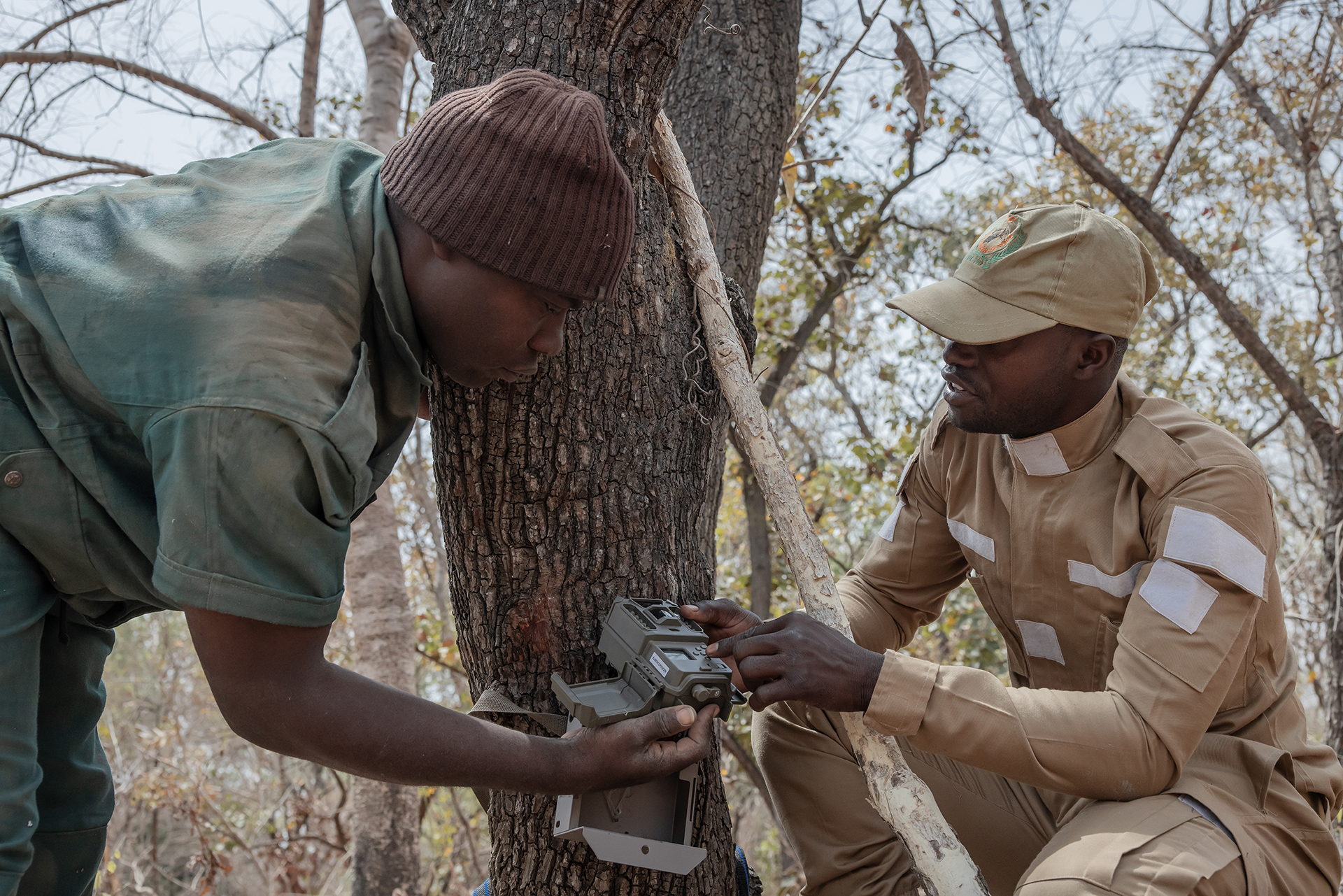
Dairou Souley installing a camera trap with the help of an eco-guard.
Looking ahead, the lesson from Faro is clear: Kordofan giraffe conservation depends on science that does not disturb wildlife, communities that are included in conservation decisions, and young people who are equipped to lead. Ejame and Ekom may carry the visible promise of recovery, but they do not carry it alone. Their future depends on the people, partnerships, and protection systems that keep Faro’s landscape connected and secure.