AWF and WCK Launch ICT Lab to Advance Conservation Education and Digital Literacy in Kenya’s Tsavo Landscape
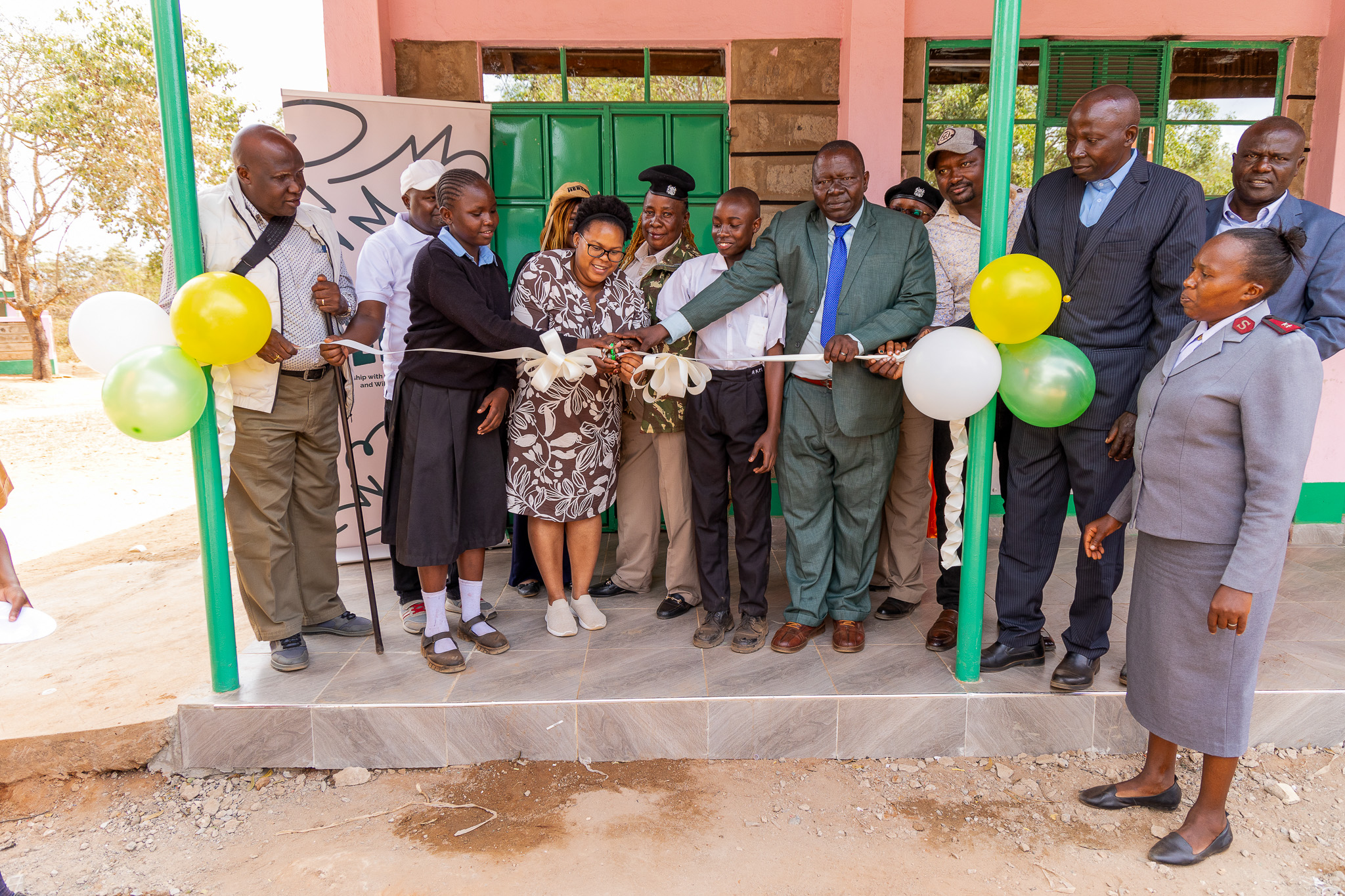
Launch of the new Information and Communication Technology (ICT) lab at Ngwata Comprehensive School, Makueni County,
General Inquiries
Tel:+254 711 063 000
Ngong Road, Karen, P.O. Box 310
00502 Nairobi, Kenya
MAKUENI COUNTY, Kenya — The African Wildlife Foundation (AWF), in partnership with the Wildlife Clubs of Kenya (WCK) officially launched a new Information and Communication Technology (ICT) lab at Ngwata Comprehensive School, Makueni County, advancing efforts to strengthen conservation education and digital learning for young people in Kenya's Tsavo landscape.
Established under the Young Conservation Heroes project with support from Bob and Emmy King, the ICT lab is equipped with 21 computers and internet connectivity, giving students and teachers access to digital resources that build computer literacy and enrich classroom instruction—all while preparing them for an increasingly digital world.
These computers are further embedded with a digital conservation-based learning platform and materials, enabling learners to explore wildlife, ecosystems, and biodiversity topics, deepening their understanding of the natural world and their role in protecting it.
The launch marked a key milestone in the transformation of Ngwata Comprehensive School into one of two Centers of Excellence under the project. These flagship schools will also serve as digital hubs that expand access to technology, digital literacy, and conservation education for neighboring schools while fostering environmental stewardship among young people.
In addition to the ICT lab, the school received a 150-cubic-meter rainwater harvesting tank and guttering system, providing a reliable water source in the water-scarce dryland ecosystems of the Tsavo landscape.
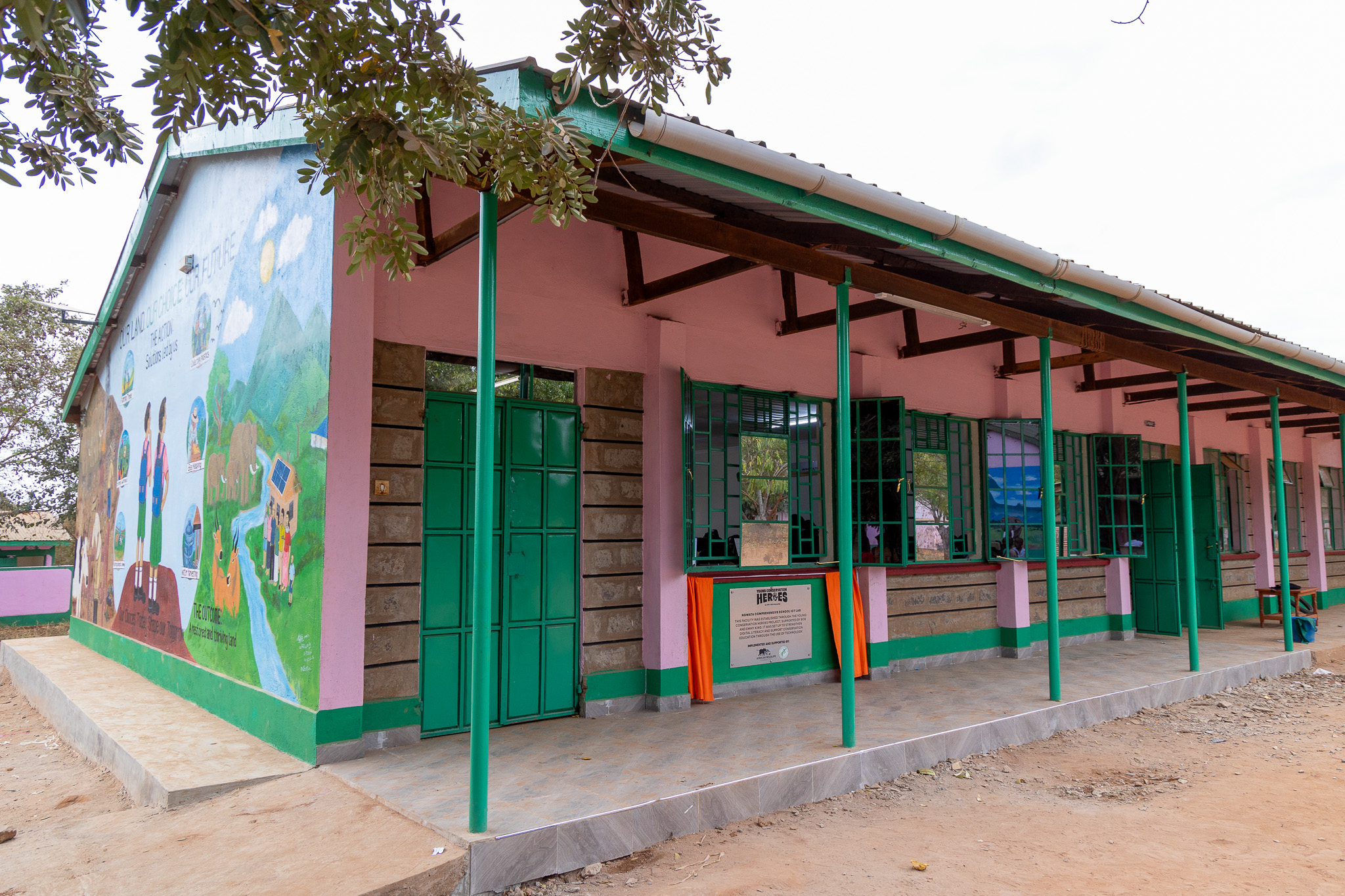
The new Information and Communication Technology (ICT) lab at Ngwata Comprehensive School, Makueni County,
Speaking at the launch, Simangele Msweli, Associate Director, Conservation Education and Youth Leadership, underscored the foundational role of conservation education, stating, “By providing young people with access to technology alongside conservation knowledge, we are equipping them with the skills, confidence, and opportunities to become informed decision makers and champions of Kenya’s natural heritage.”
Dr. George Njagi, Director of Conservation Programs at the Wildlife Clubs of Kenya, highlighted the importance of learning environments where conservation is experienced rather than only taught, “The ICT laboratory creates new opportunities for learners to explore conservation through research, collaboration, and digital innovation. Combined with hands-on conservation work at the school, it strengthens our vision of developing young conservation heroes who understand both the value of biodiversity and their role in protecting it.”
The Young Conservation Heroes project demonstrates how targeted investments in education, technology, and school infrastructure can deliver meaningful conservation outcomes while expanding opportunity for young people. By weaving digital skills together with environmental education, the initiative empowers learners to take an active role in biodiversity conservation and sustainable natural resource management.
About the Young Conservation Heroes Project
The Young Conservation Heroes project is implemented by the African Wildlife Foundation in partnership with the Wildlife Clubs of Kenya, with support from Bob and Emmy King. Working with 137 schools across Kenya's Tsavo landscape, the project equips learners with the knowledge, skills, and opportunities to become active stewards of biodiversity. Through investments in school infrastructure, hands-on learning, and environmental education, it is nurturing the next generation of conservation leaders.