Restoring Water in Kidepo to Reduce Human-Wildlife Conflict
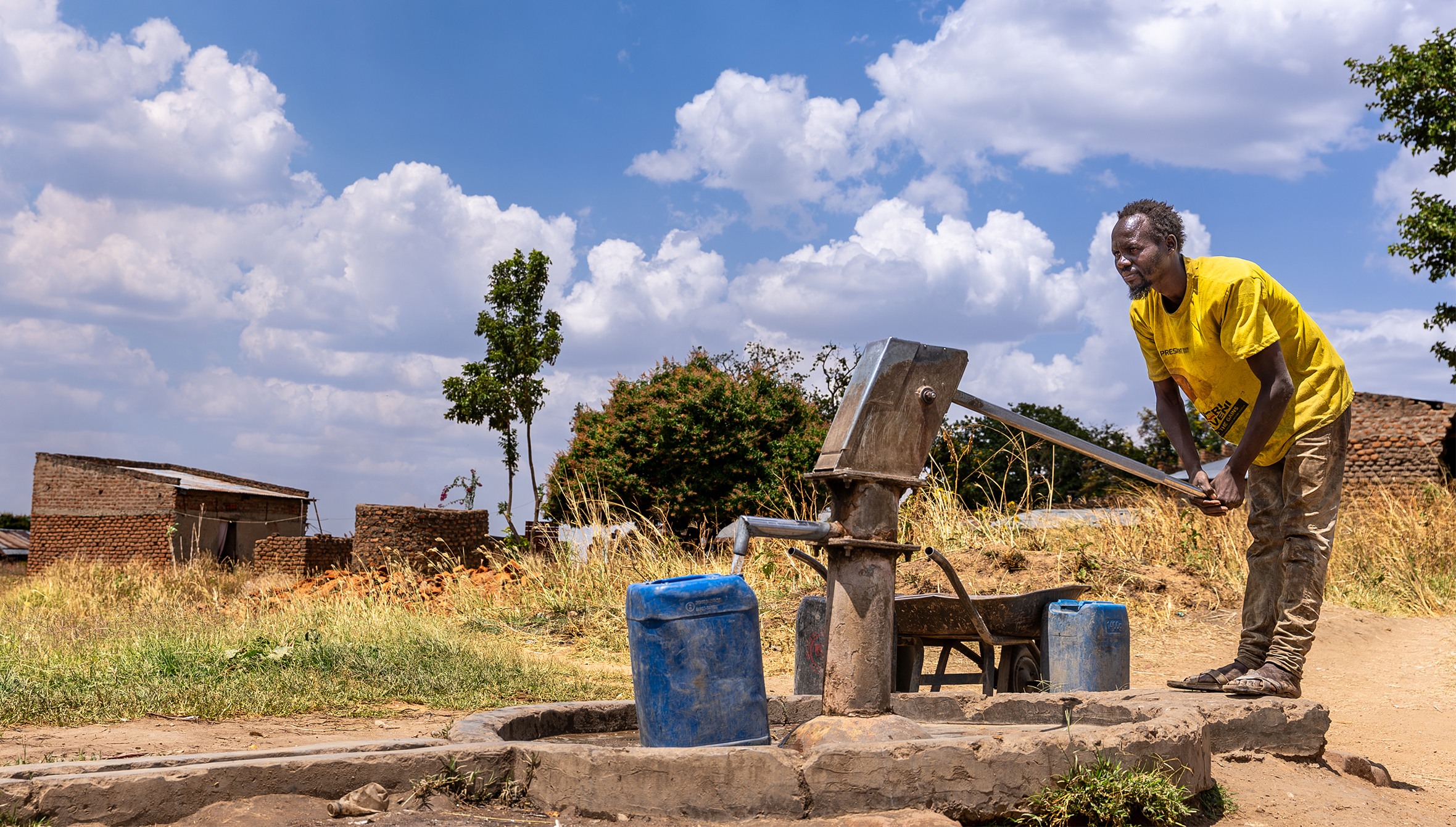
Since rivers in the Kidepo landscape dry up for much of the year, boreholes pumps are often the only reliable sources for clean water. © AWF
AWF works to ensure that people and wildlife can thrive together across Africa’s shared landscapes. In Kidepo, restoring critical water sources for wildlife is one part of a broader approach to reducing the pressures that drive human-wildlife conflict. By improving access to water within protected areas and working alongside communities, wildlife authorities and partners, AWF helps strengthen the local systems needed to keep wildlife in safe habitats, reduce conflict, and support coexistence between people and wildlife.
In northern Uganda, access to water can mean the difference between wildlife staying within protected areas and moving into neighboring communities.
The Kidepo Valley Conservation Landscape is a vast, transboundary ecosystem shared by wildlife and communities. During the dry season, competition for water intensifies. Wildlife can move beyond the boundaries of Kidepo Valley National Park in search of water, bringing animals and people into closer contact. These encounters result in crop damage, injuries and, in some cases, deaths of both people and wildlife.
This is particularly challenging during the crop-growing season. From May to October, when crops are sprouting and flowering, elephant crop-raiding incidents peak. The Uganda Wildlife Authority (UWA) reports an average of 350–500 crop-raiding incidents in the Kidepo Valley Conservation Area during this period.
The scale of wildlife movement beyond the park is significant: UWA estimates that approximately 60% of the wildlife in Kidepo Valley National Park moves outside the park. This makes it essential to manage water and other resources across the wider landscape not only within protected areas.
A Restored Water Source for Wildlife
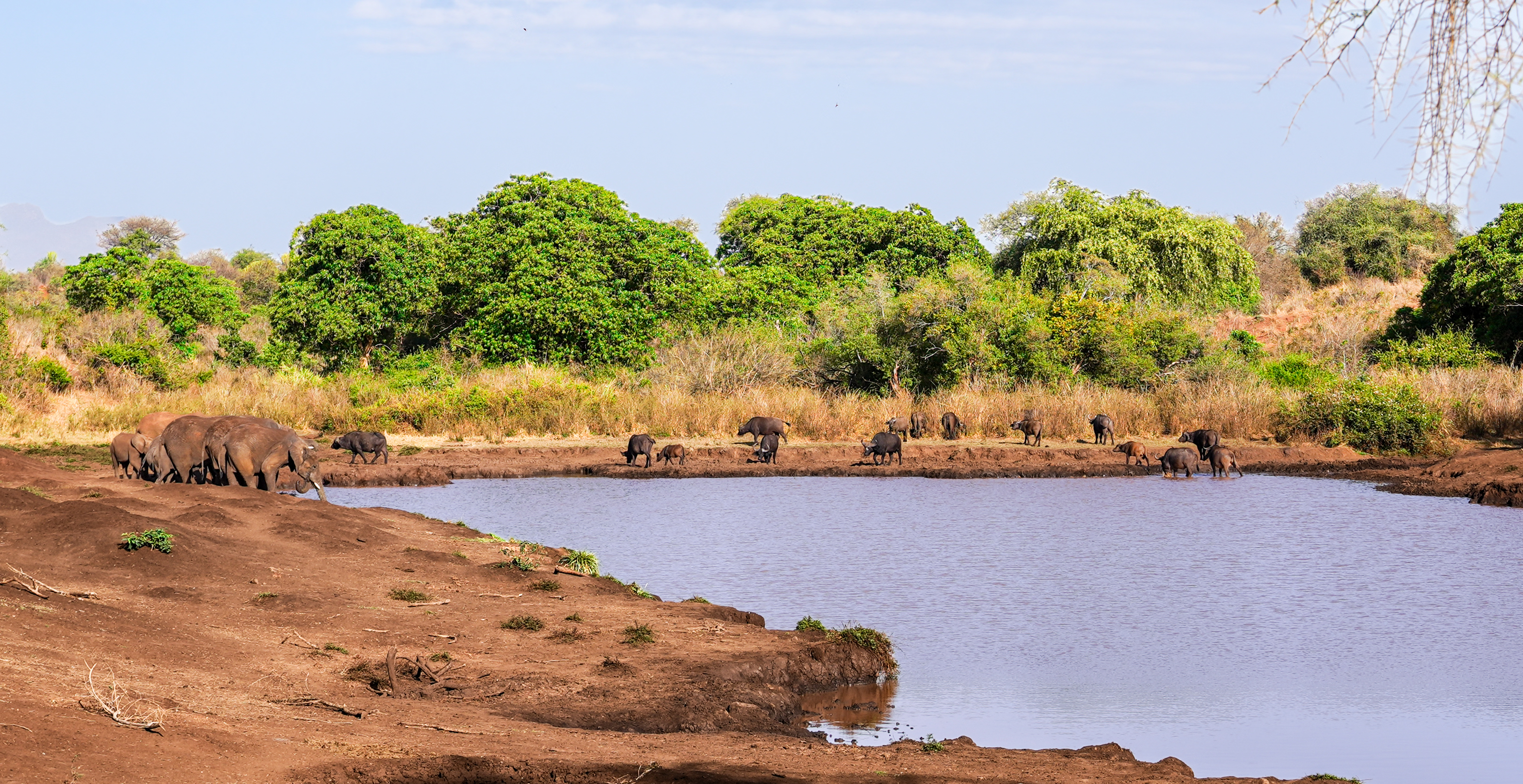
Wildlife drinking water from the rehabilitated Lochorkinae Dam in Kidepo Valley National Park, Uganda.
In 2025, the African Wildlife Foundation (AWF), with support from the Canning Foundation, partnered with UWA to restore the Lochorkinae Earth Dam inside Kidepo Valley National Park.
The dam was selected because of its strategic location, its importance to wildlife and the extent to which sediment had reduced its original water-holding capacity. Its proximity to a ranger outpost also provides an important layer of protection for wildlife and helps reduce the risk of poaching.
Through desilting and restoration, the dam's water-retention capacity was increased to 10,000 cubic meters.The restoration was designed to create a dependable water source for wildlife during the dry season while minimizing disturbance to animals. The dam was restored to a maximum depth of 2.5 meters, with shallower edges around the banks. Surrounding areas were also leveled, and vegetation restoration was undertaken to help reduce erosion and sediment flowing back into the dam.
“Over time, sediment accumulates in earth dams, reducing the amount of water they can hold. Desilting Lochorkinae Dam was therefore an important step in restoring its capacity and improving its ability to provide water for wildlife throughout the dry season.” Henry Mukiibi, Senior Program Manager, AWF Uganda
Elephants Are Already Using the Restored Dam
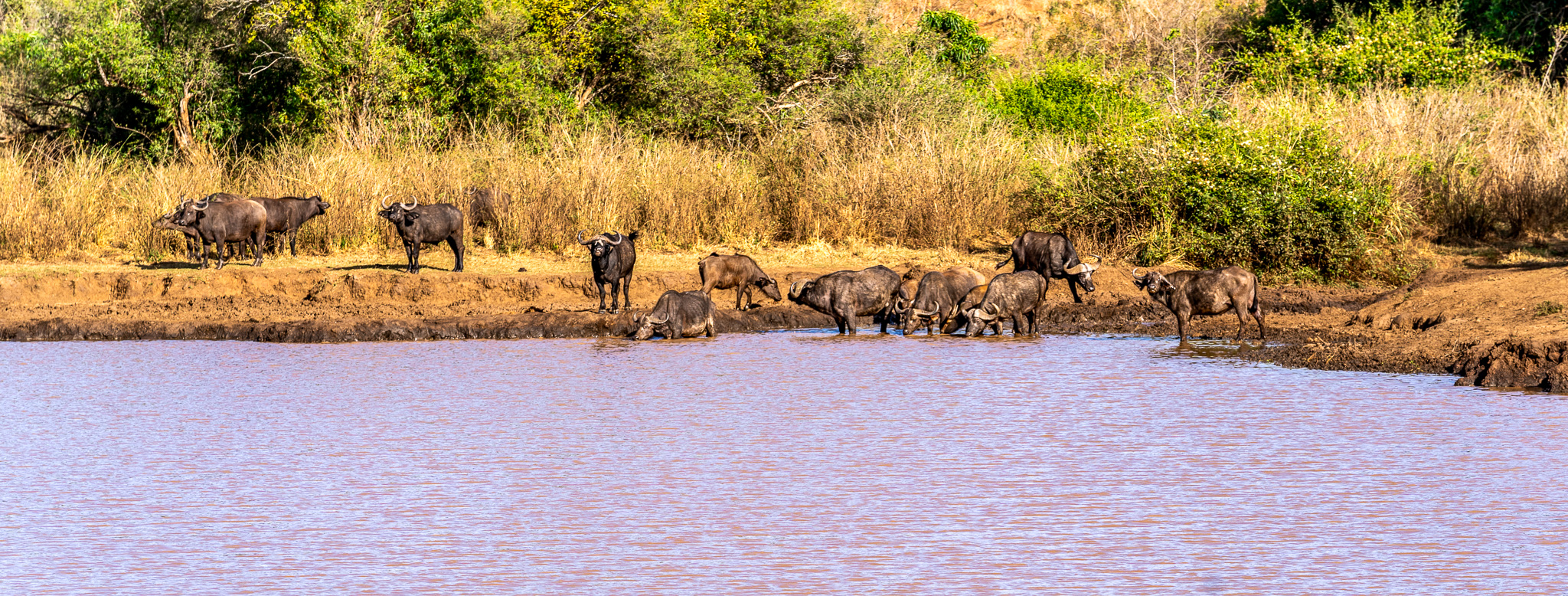
Buffalo drinking water from the rehabilitated Lochorkinae Dam in Kidepo Valley National Park, Uganda.
The restoration is already changing how wildlife uses the area. According to Richard Otiti, Warden Ecological Monitoring at Kidepo Valley National Park, an elephant herd estimated at around 50 individuals has been observed around the dam for more than eight months, across both the dry and rainy seasons.
“One elephant herd, estimated at around 50 individuals, has been observed around the dam for more than eight months, through both the dry and rainy seasons. This has helped reduce the extent of human-wildlife conflict in the surrounding communities while providing an important water source for wildlife and contributing to tourism improvement in the dammed zone.” Richard Otiti, Warden Ecological Monitoring, Kidepo Valley National Park
The continued presence of elephants around the dam is an important indication of its value as a wildlife water source. By making water available within the national park, the intervention helps reduce one of the pressures that drive wildlife toward community areas. For communities living alongside Kidepo Valley National Park, this can mean fewer encounters with elephants and other wildlife at community water points, and potentially fewer crop-raiding incidents and dangerous encounters.