World Teachers’ Day 2026: Patrick Kiminza Nurturing a Young Generation of Conservationists in Tsavo, Kenya
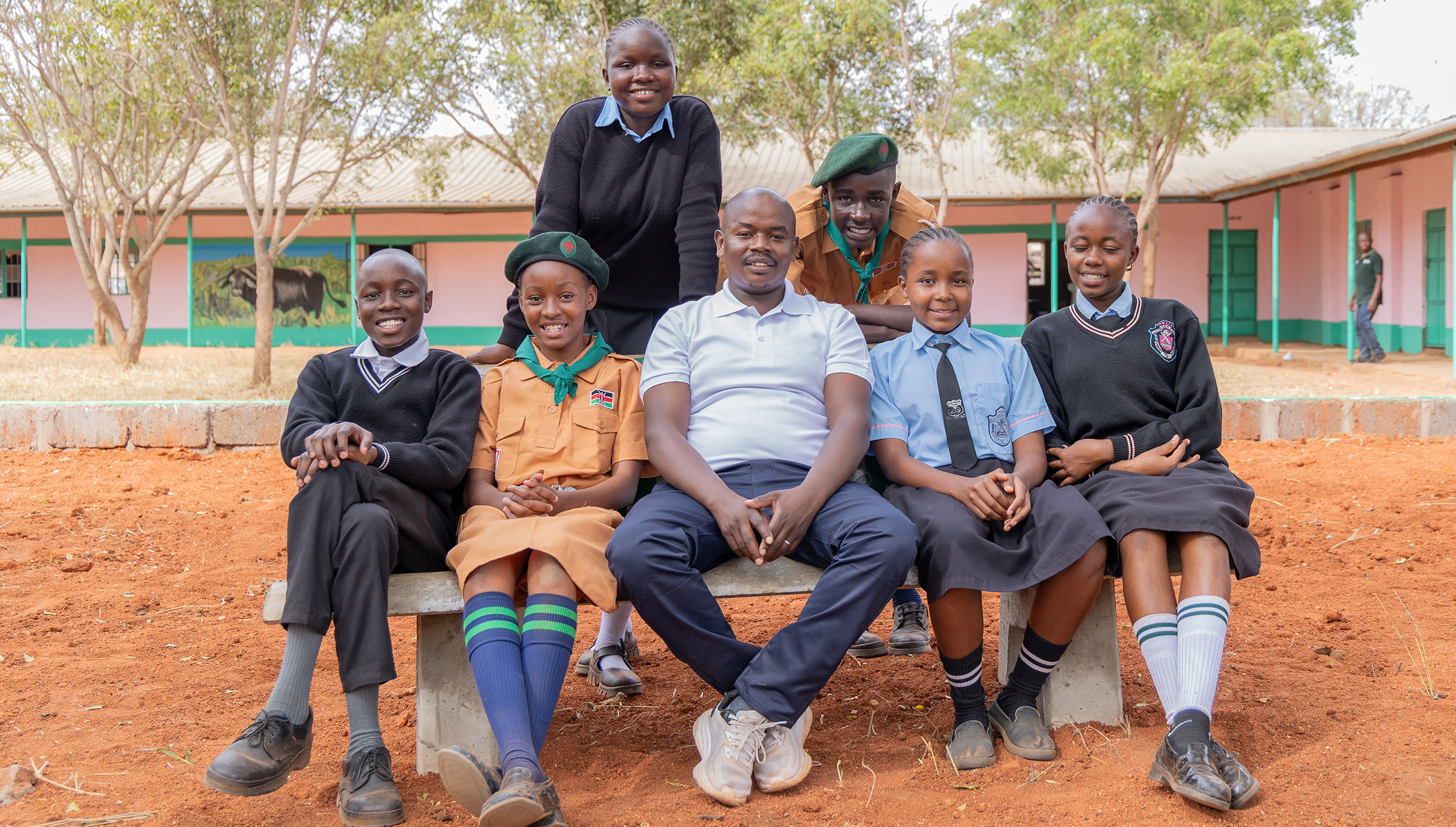
Teacher and Wildlife Club Patron Patrick Kiminza with some of his students at Ngwata Comprehensive School in Makueni County, Kenya. © AWF
Through the Young Conservation Heroes project, African Wildlife Foundation and Wildlife Clubs of Kenya are equipping educational leadership and Wildlife Club Patrons with the skills, resources, and opportunities to make conservation education practical. This World Teachers’ Day story highlights how investing in educators can create meaningful opportunities for learners to explore, experience, and act for conservation.
For Patrick Kiminza, education extends beyond teaching the stipulated curriculum in the classroom. He sees it as an opportunity to help learners understand the natural world around them while building knowledge, skills, and confidence to act for conservation.
As a teacher and Wildlife Club Patron at Ngwata Comprehensive School in Makueni County, Kenya, Patrick uses practical lessons and experiences to help learners understand connections between people, wildlife, and natural resources, while creating opportunities for them to participate in conservation. This connection is extremely important since the school is located near Tsavo East and Tsavo West National Parks, which makes nature conservation relevant to students’ everyday lives.
Patrick’s own journey into conservation grew from an appreciation of nature and a desire to address ongoing challenges, such as habitat loss, climate change, and biodiversity decline. Today, that commitment is reflected in his work as he mentors learners through tree planting, environmental clean-ups, wildlife awareness activities, educational visits, and school-based conservation projects.
“Conservation is not just an interest, but a responsibility that continues to shape my personal and professional goals. When the opportunity to become a Wildlife Club Patron arose, I saw it as an opportunity to combine my passion for education with my desire to nurture a generation of conservationists,” he says.
For him, one of the most rewarding parts of the role has been watching learners grow in confidence as they discover that conservation is something they can participate in and influence.
One learner who stands out is Samweul Onsongo, who joined the Wildlife Club as a participant and has since taken on leadership roles, first as club secretary and now as Wildlife Club President.
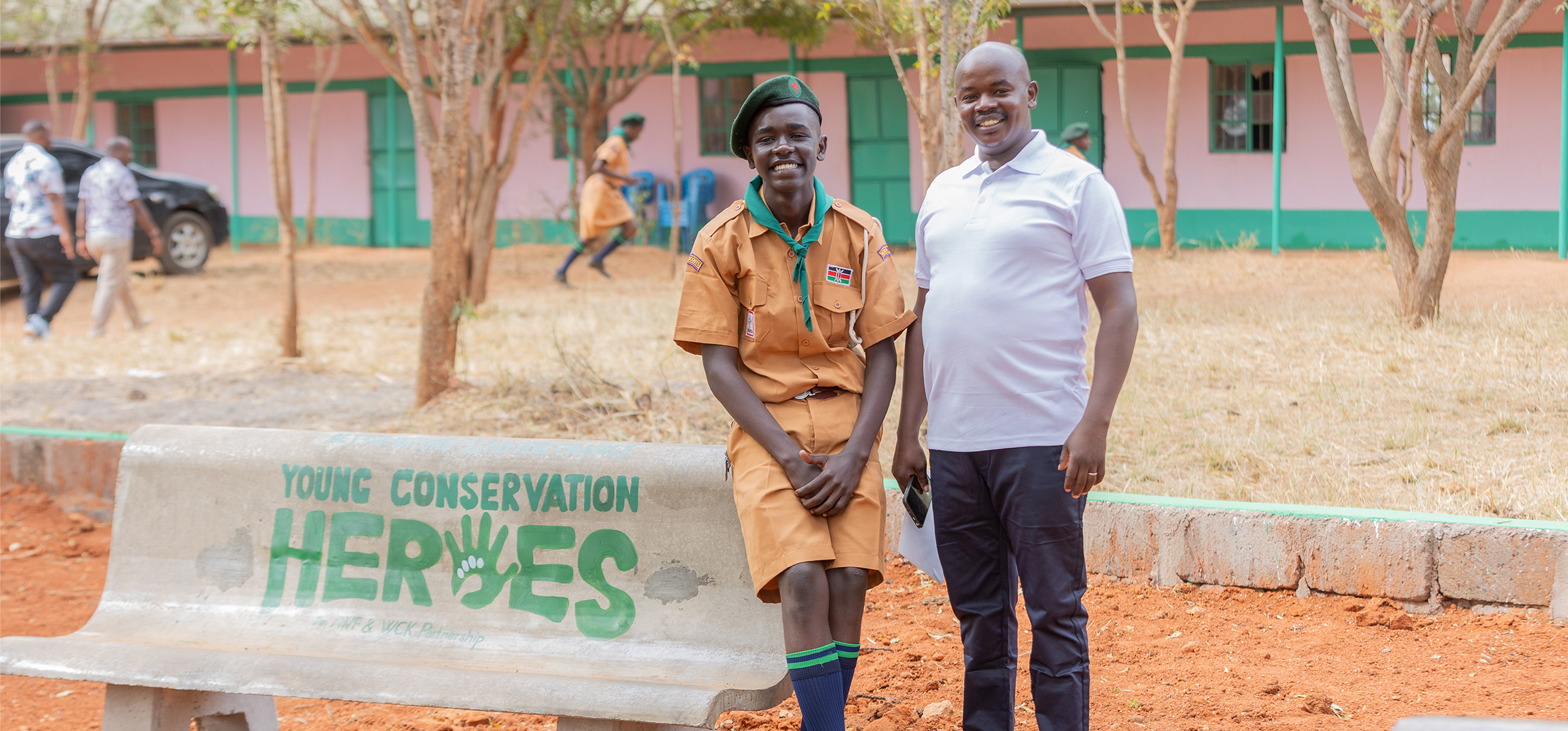
Patrick Kiminza with Samweul Ombongi Onsongo, student and Wildlife Club President at Ngwata Comprehensive School. © AWF
Patrick recalls a visit to Nakuru National Park when Onsongo asked why some wildlife species were endangered and what ordinary people could do to help protect them. The question stayed with Patrick.
“When we returned to school, Onsongo became one of the most active members of the Wildlife Club,” Patrick recalls. He participated in tree planting and environmental clean-up activities, encouraged his peers to take part in conservation, and shared what he had learned beyond the school environment. For Patrick, this is an important measure of effective conservation education.
“The goal is not simply to transfer knowledge but to help learners connect what they learn with the decisions they make in their own lives and communities,” he says.
Taking Conservation Learning Beyond the Classroom
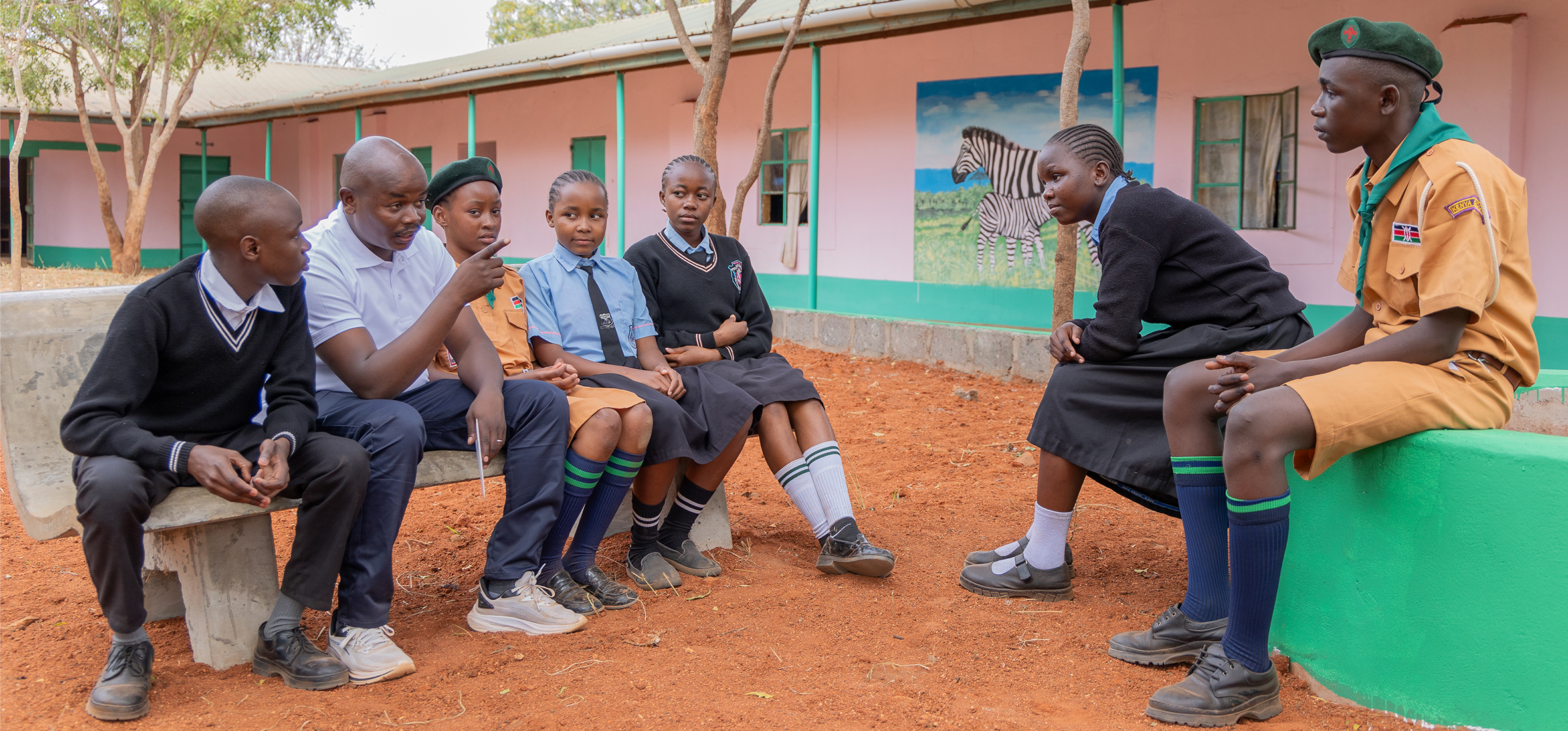
Patrick Kiminza leads a conservation learning session with students. © AWF
Experiential learning has become central to Patrick’s approach. One of his most memorable experiences as a Wildlife Club Patron was taking students on educational trips. He stated that encountering wildlife and conservation efforts first-hand transformed concepts students had encountered in class into experiences they could see, question, and understand.
“They asked questions about wildlife, habitats and threats such as habitat loss and poaching. Back at school, that curiosity continued through tree planting, environmental clean-ups and conversations about conservation,” Patrick says.
At Ngwata Comprehensive School, Patrick has ensured that conservation learning is also embedded in practical, school-based projects. Learners in the school’s wildlife club raise indigenous and fruit tree seedlings in a school nursery, practice Farmer Managed Natural Regeneration (FMNR).
This kind of learning matters because conservation challenges are rarely isolated. Land, water, food production, livelihoods, and wildlife are interconnected, and it is critical that young people have opportunities to understand those connections if they are to participate meaningfully in shaping the future of their communities.
Ngwata Comprehensive School also secured second place in the 2026 Shujaa Zone Competition under the Best Wildlife Club Project category. The competition, held under the Young Conservation Heroes project, provides a platform for learners and Wildlife Clubs to showcase their creativity, leadership, and practical action for conservation. The award recognised the club’s conservation initiatives and the active role students play in putting their knowledge into practice.
Supporting Teachers to Make Conservation Practical

Patrick Kiminza takes a learner through a digital conservation learning platform in the newly established and equipped Information and Communications Technology lab supported by the Young Conservation Heroes project. © AWF
Through the Young Conservation Heroes project, supported by Bob and Emmy King, the African Wildlife Foundation and Wildlife Clubs of Kenya are equipping teachers, heads of institutions and Wildlife Club Patrons with training and resources to strengthen conservation education in schools.
As of September 2026, 266 teachers and 130 heads of institutions have received training in Education for Sustainable Development, supporting school-based Wildlife Clubs, strengthening their capacity to deliver conservation education, and support Wildlife Club activities in their respective schools.
As the world celebrates Teachers’ Day, Patrick’s experience shows what is possible when education creates space for curiosity, participation, and leadership. For him, success is not simply seeing a learner become a conservation enthusiast. It is seeing the values developed through the Wildlife Club, including responsibility, teamwork, leadership, and respect for nature, continue to shape the choices learners make in their lives and communities.
Through the Young Conservation Heroes project, teachers and Wildlife Club Patrons are creating opportunities for learners to understand conservation, put their knowledge into practice and take an active role in caring for the places they call home.
Lasting conservation will depend not only on protected areas, policies, and scientific knowledge, but also on the choices young people make today and the kind of relationships they build with nature, their communities, and the resources that sustain them.