Hellen Nakwang Is Rebuilding Her Soil and Harvests with Regenerative Farming
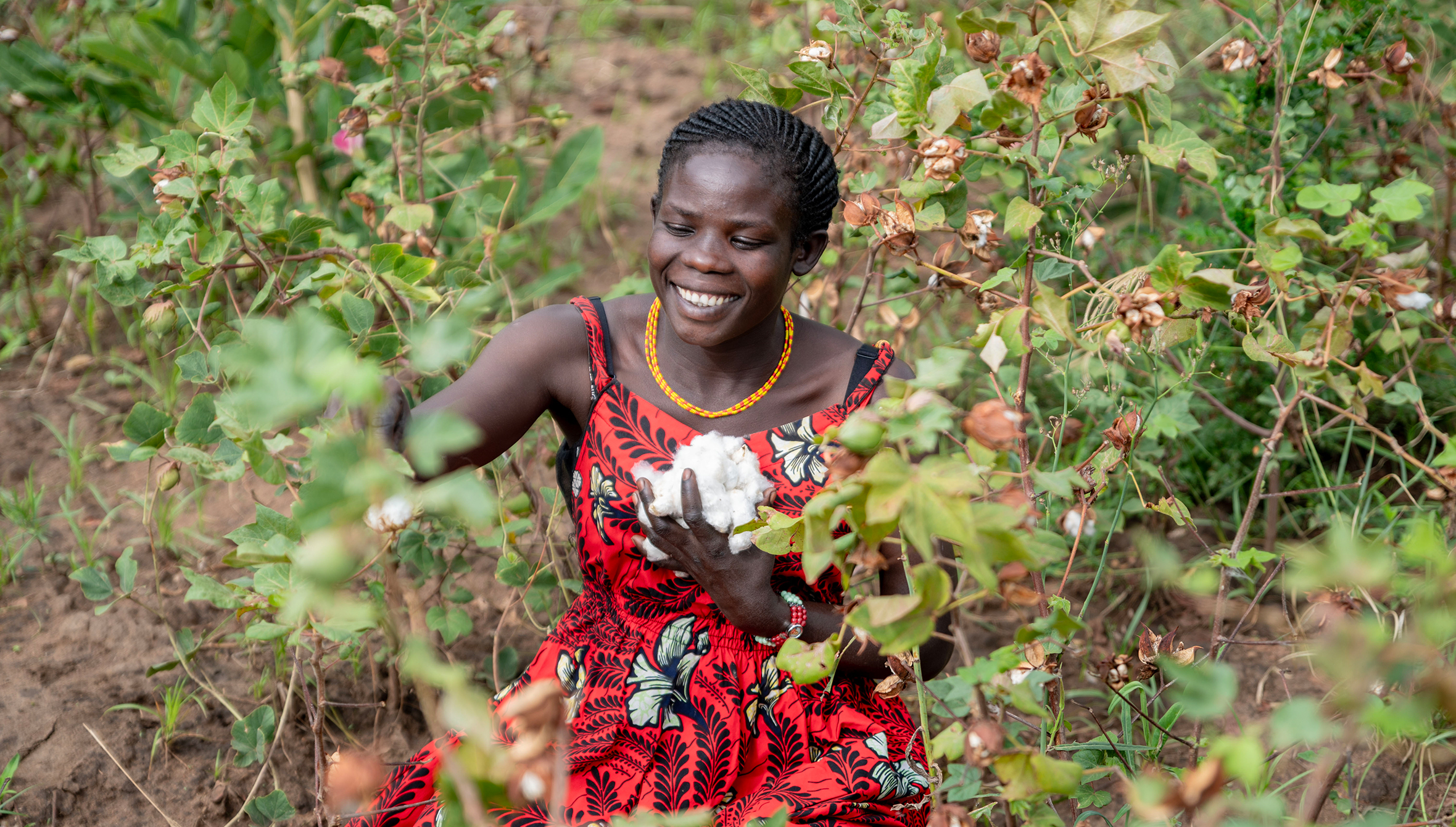
Hellen Nakwang of Karenga District, Uganda harvests cotton on her farm. © AWF
In Uganda’s Kidepo Valley Conservation Area, cotton is the main cash crop for rural communities, but people and wildlife must share that same land. A three-year regenerative cotton initiative, led by the African Wildlife Foundation (AWF) and Dynamic Agro-Pastoralist Development Organisation (DADO) with support from Conservation International’s Regenerative Fund for Nature, is supporting 2,280 farmers to restore soil health, cut costs, and strengthen their incomes.
For Hellen Nakwang, cotton is more than a crop. Over the past three years, it has helped put food on her family’s table and pay for the school supplies her children need. She farms in Karenga District, in the northeastern Karamoja sub-region of Uganda’s Kidepo Landscape. It is a land of savannah, seasonal rains and long, hot dry spells, where farming is never easy. It is also a landscape shared with elephants and buffaloes. Families here depend on smallholder farming and livestock, and the health of the land around them shapes their livelihoods.
However, past seasons have not been productive. “The cotton harvests in the past season were very low, and the quality was not good,” Hellen recalls. Prolonged rains had delayed the flowering of her cotton, and pests were hard to control.
Her experience is common among cotton farmers in the region who face problematic insects, disease, unpredictable weather, and limited access to quality seeds and fertilisers. These challenges affect both the quality of the harvest and the income it brings.
In 2024, AWF and DADO, with support from Conservation International’s Regenerative Fund for Nature, began a three-year regenerative cotton farming initiative. It supports 2,280 cotton farmers, over half of them women, to adopt practices that restore soil health, improve productivity, and strengthen crop performance.
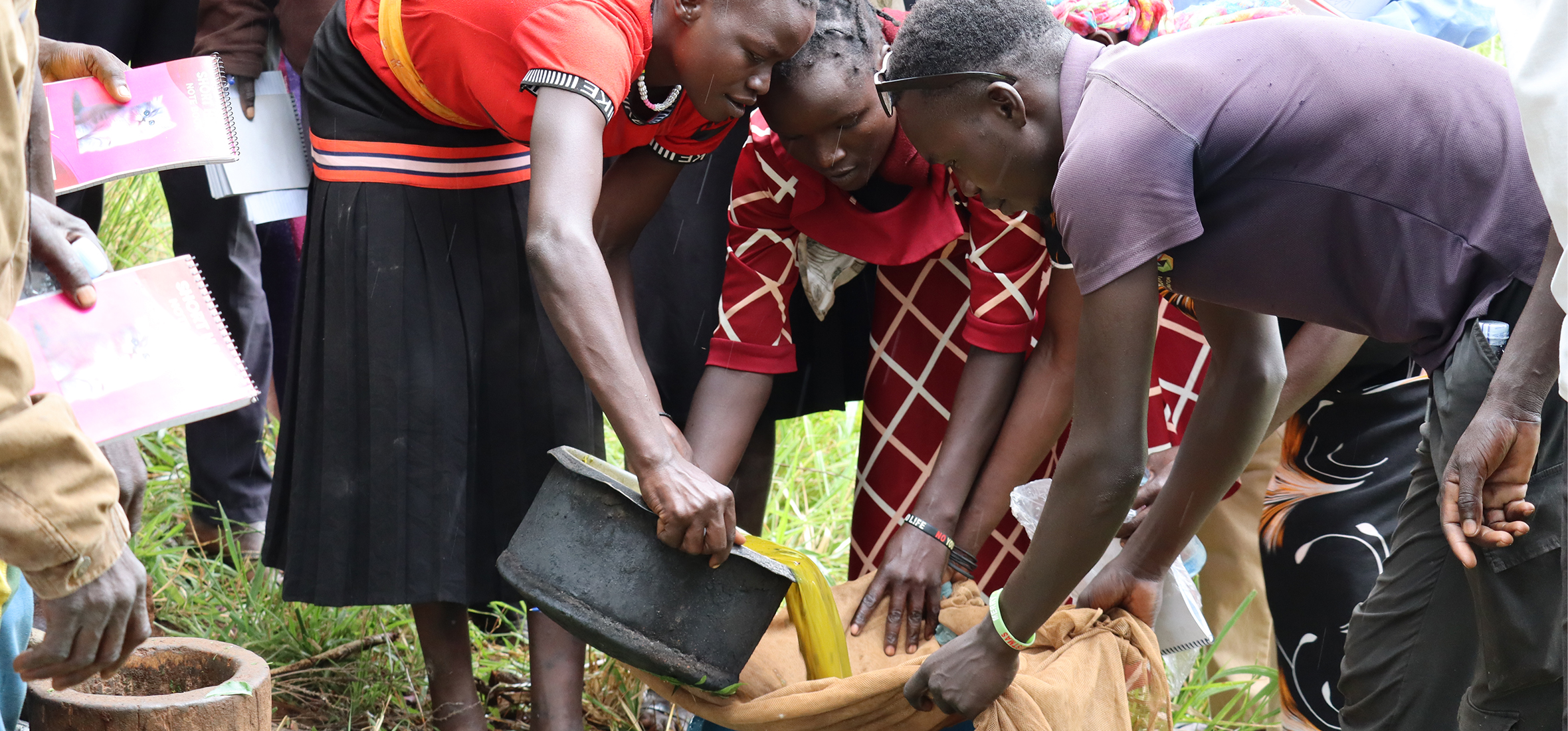
AWF and DADO train cotton farmers in Karenga District, Uganda to produce and use organic pesticides and fertilisers from locally available materials. © AWF
For Hellen, this brought practical knowledge she could put to work straight away. She learned how proper land preparation, early planting, and improving soil quality can create better conditions for cotton. She also learnt to make manure and organic pesticides from materials she can find close to home, giving her new ways to care for her soil and manage pests.
“I have learnt to make compost manure and organic pesticides using materials that are readily available to me such as neem leaves, red pepper, garlic, ginger, and wood ash,” she says. “I have reduced my use of chemical pesticides because of their effect on the body, their high cost, and the difficulty of accessing the equipment needed to apply them. Organic pesticides have made the biggest difference. I apply them to my crops and the pests are controlled. It is also easy to make.”
What Has Changed on Hellen’s Farm
Hellen is using her new knowledge well beyond her cotton fields. She applies compost manure to her maize, okra, and cabbage gardens too. As a result, she has seen healthier crops, better harvests, improved produce to feed her family, and increased income .
Moreover, she has noticed the difference in her soil, which she says now looks healthier and she understands the importance of agroforestry and how chilli protects her gardens from wildlife raids, giving her yet another tool for farming alongside protected areas.
In the Kidepo Landscape, communities and wildlife depend on the same broader landscape, though they use it in different ways. For local households, land is where crops grow; livestock graze and families are supported. For wildlife, it provides habitat, room to move and feed, and access to water.
Helping communities sustain their livelihoods while keeping the land healthy is a central part of the wider conservation effort. Regenerative agriculture contributes by promoting farming that supports soil health, responsible use of resources, and more resilient production. These practices are not, in themselves, a solution to human–wildlife conflict, but they are part of a broader approach to sustaining livelihoods in a landscape where people and wildlife coexist.
Momentum That’s Growing
Hellen is far from alone. Within one year of implementation, the share of participating cotton farmers adopting regenerative practices rose from 24 percent in 2024 to 54 percent in 2025. Those practices include agroforestry, biological pest control, organic manure, minimum soil tillage, intercropping, and crop rotation. The increase signals growing momentum toward more resilient, sustainable cotton production in the Kidepo landscape.
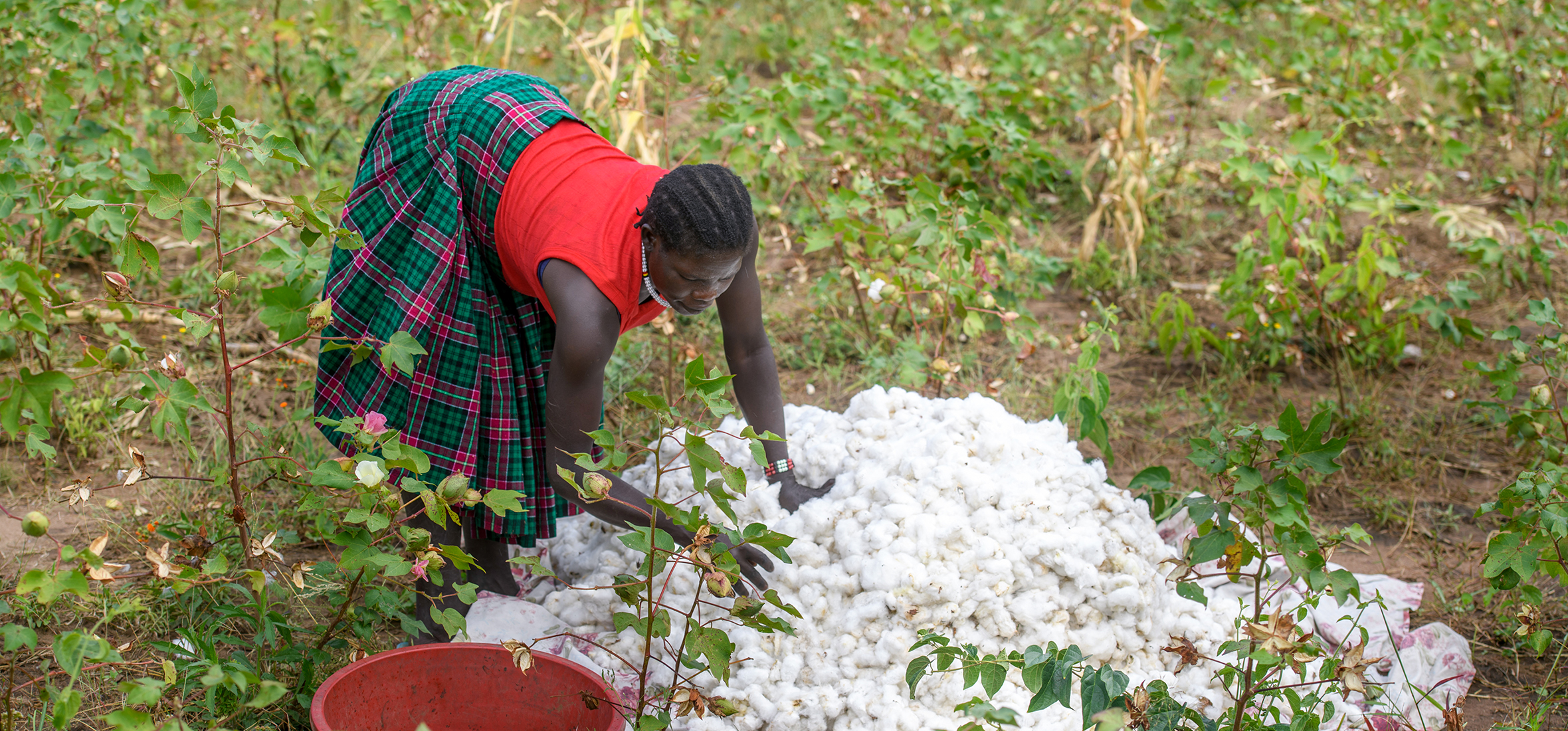
Hellen Nakwang after harvesting cotton grown using regenerative farming practices. © AWF
As the coming cotton season approaches, Hellen feels more confident. She plans to keep applying what she has learnt to produce high quality cotton, reach more buyers, and earn a better price for her harvest.
“I would encourage other farmers to try the agronomic methods that are giving me better harvests and are not harmful to the body,” she says.
Hellen’s journey shows how practical knowledge and sustainable farming can strengthen rural livelihoods. In a landscape where people and wildlife share land and natural resources, her story is part of a wider ambition: a future in which communities can thrive while the ecosystems and wildlife around them continue to flourish.