A River Reborn: Community-Led Conservation on Tanzania’s Londo River
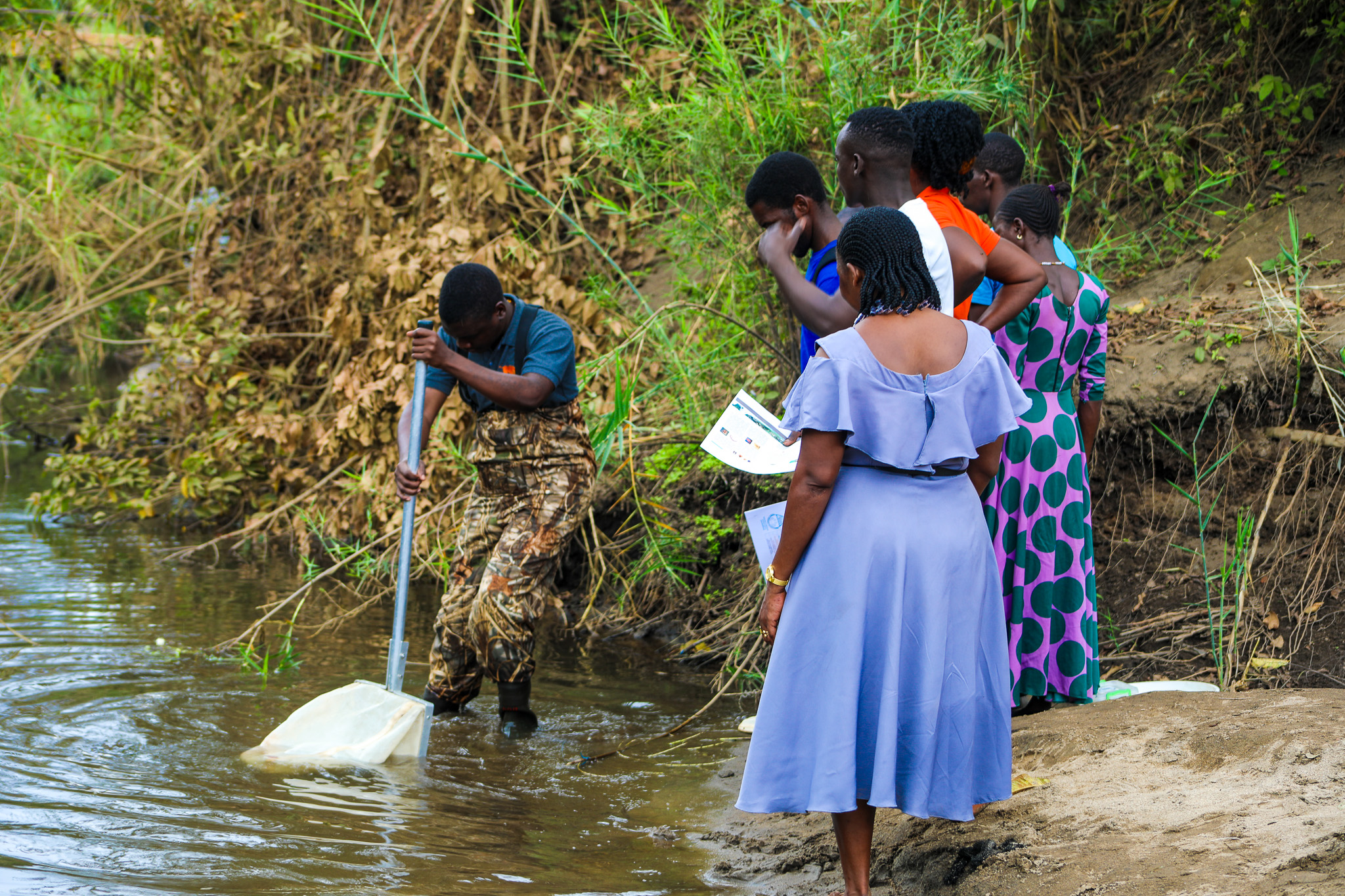
Members of the Ruipa Water Users Association conduct river health bioassessment, using aquatic organisms to understand the condition of the Londo River and guide restoration where it matters most.
On a hot afternoon along the banks of the Londo River, Ayubu Matabala watches the water flow past his village. Not long ago, these same banks were bare and crumbling. The river, once a lifeline for both people and wildlife, was choked with silt, livestock, and careless extraction. It was a pale shadow of the river he grew up with.
People spoke in worried tones about what would happen if the catchment collapsed entirely. For the community, it would mean failed crops downstream, unsafe drinking water, conflict over dwindling supplies, and the loss of riverine habitat that wildlife depend on. For Tanzania as a whole, the loss of the Londo River would threaten one of the nation’s vital water arteries, undermining food security and biodiversity far beyond the Kilombero Valley.
For Ayubu, who grew up fishing and watering his family’s fields here, the idea of losing the Londo was like losing a part of himself.
Today, the river looks different. Fresh seedlings grip the soil where the bank once caved in. Community patrols walk the buffer zone, watching for illegal grazing, sand mining, and unregulated water extraction.
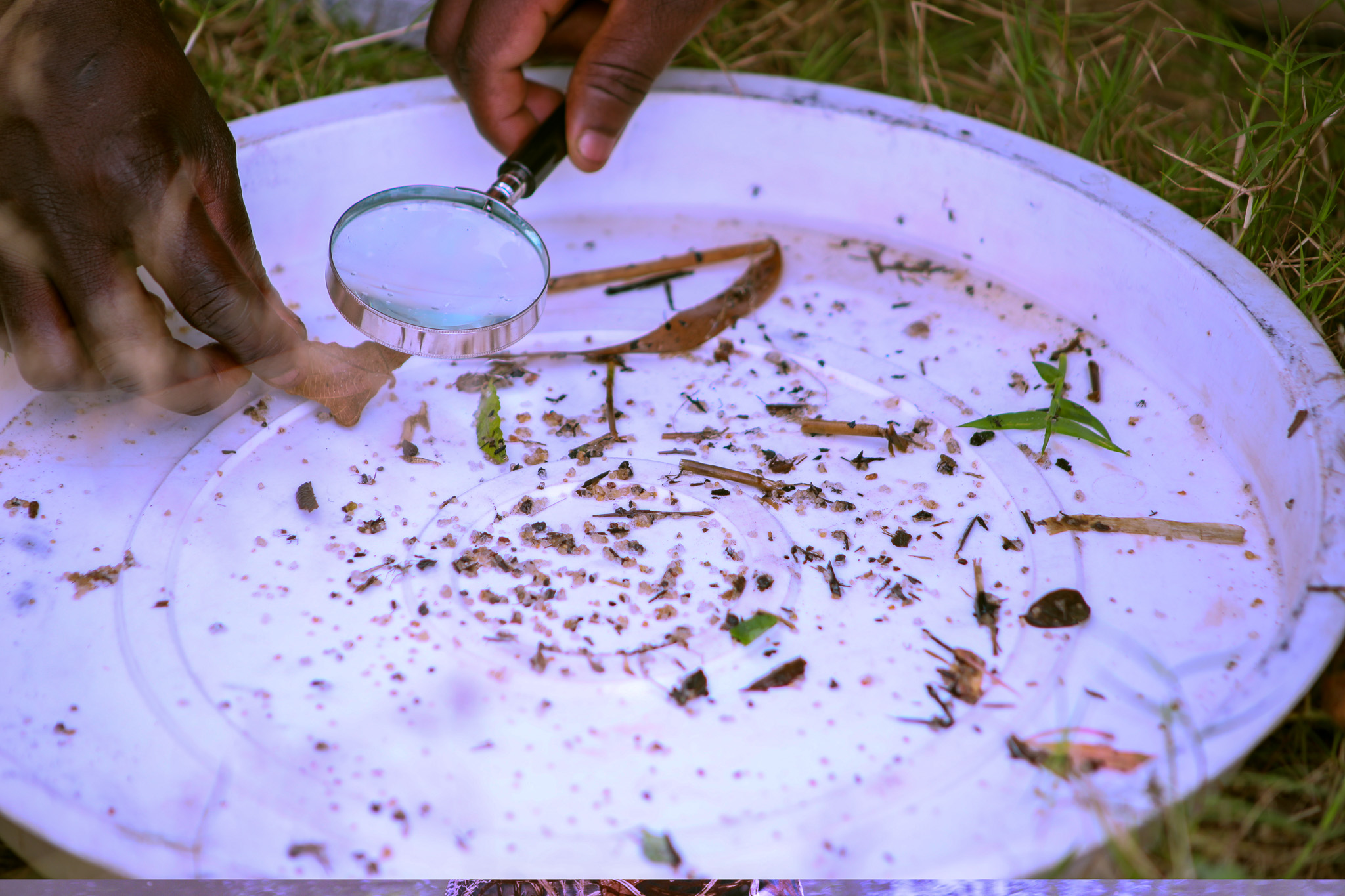
Aquatic organisms collected during bioassessment reveal improving river health and the early return of biodiversity to the Londo catchment.
As Chairperson of the Ruipa Water Users Association (Ruipa WUA), Ayubu has become one of the frontline guardians of Londo, mirroring a wider transformation taking place across the Kilombero Valley.
The valley’s rivers and wetlands support rich biodiversity and provide water to communities, farms, and wildlife across a wide region. As a key part of Tanzania’s food basket, the landscape helps supply more than half of the country’s food. Yet, climate change, agricultural expansion, and unsustainable land use have degraded soils, eroded riverbanks, and disrupted water flows. Left unchecked, these trends threaten both biodiversity and rural livelihoods, making restoration in places like Londo critical for the entire country.
Since 2023, the African Wildlife Foundation (AWF), in partnership with IUCN, has been implementing the SUSTAIN Eco project in Kilombero. This project applies nature-based solutions to strengthen natural resource governance, restore ecosystem functioning, and secure climate-resilient livelihoods for communities like Ayubu’s.
The Kilombero Valley: Reviving a River Institution
The Londo River in the Ruipa sub-catchment is a critical water source and wildlife corridor. But years of deforestation, unregulated water extraction, and uncontrolled livestock grazing had weakened its banks and lowered water levels. For Ruipa WUA, the decline was painful to watch.
“For years, our association, which is mandated to manage the river, existed mostly on paper,” says Ayubu. “We had limited activity and community engagement, and the river we depended on continued to degrade.”
Through SUSTAIN Eco, AWF and partners worked with the Rufiji Basin Water Board and local authorities to bring Ruipa WUA back to life. Members were trained on natural resource governance, leadership, and catchment management.
They also learned river health bioassessment, using aquatic organisms to assess river conditions and identify where action was most urgently needed. With stronger skills and clearer information, the association moved from passive observation to active stewardship.
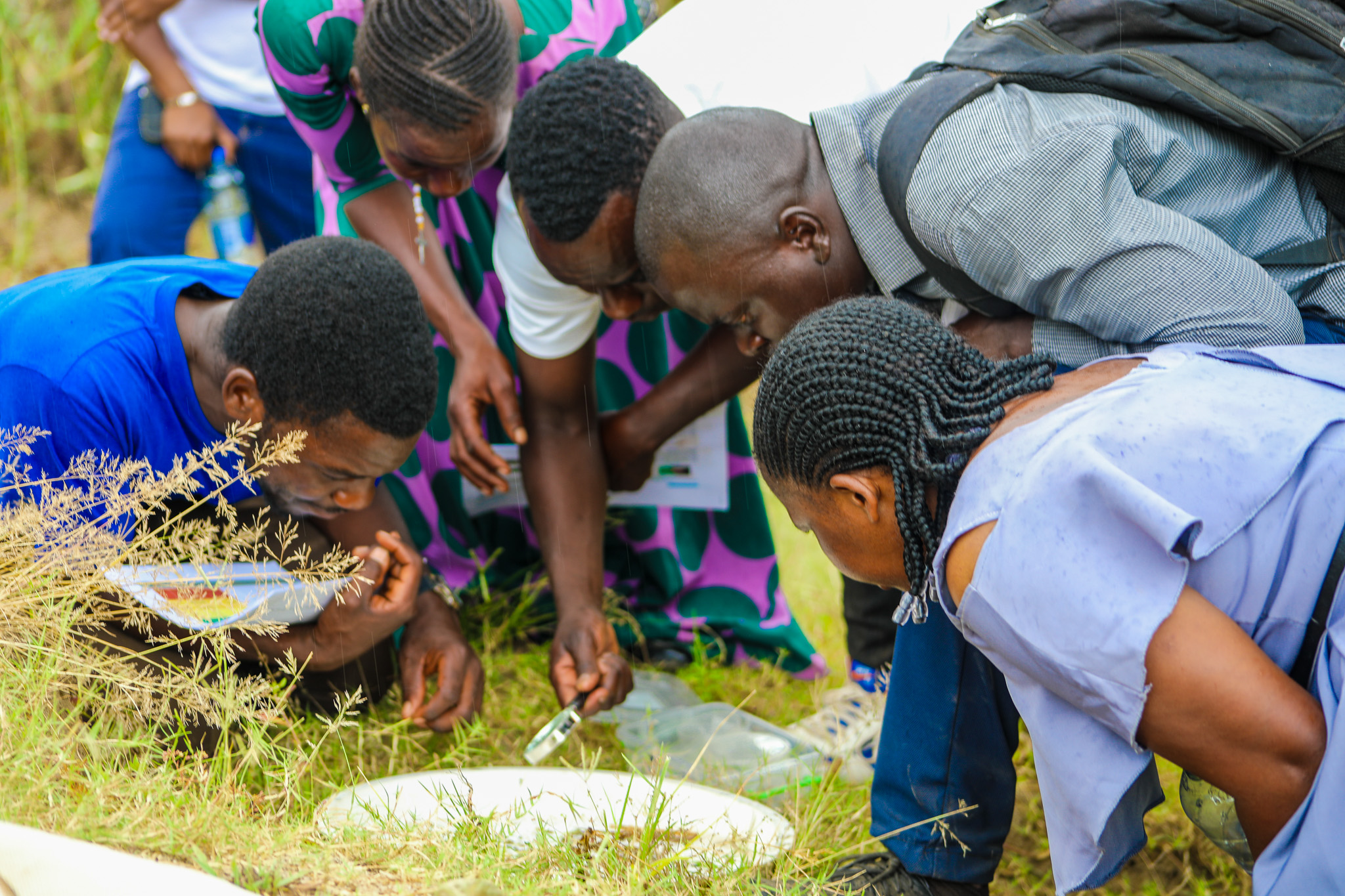
Community members review bioassessment findings together, translating science into practical decisions for river protection and sustainable water use.
From Training to Action on the Londo River
New knowledge quickly turned into practical action. Ruipa WUA reorganized its structure, clarified roles, and developed patrol plans for the Londo catchment. Members began regular patrols along the 60-meter buffer zone, talking with farmers and herders, addressing illegal grazing and sand mining, and helping regulate water extraction. Community meetings created space to explain why a healthy buffer is essential for water security and productivity.
Working with the Tanzania Electric Supply Company (TANESCO) and local authorities, Ruipa WUA members planted over 200 indigenous tree seedlings along degraded stretches of the riverbank. These efforts have already stabilized several kilometers of riverbank, reducing erosion and improving water clarity.
The seedlings create shade and habitat along the water’s edge, and over time, will help rebuild the natural resilience of the Londo catchment. Early monitoring data shows a marked decrease in sedimentation and a gradual return of aquatic species to previously barren stretches.
For Ayubu, the change is deeply personal, marking a turning point not only for the river, but for his own sense of purpose and leadership.
“I used to watch our river disappear without knowing what to do. Today, I am one of the guardians of these waters, patrolling, educating, and restoring. AWF did not just train us; they gave us purpose.”
Safeguarding Water, Wildlife, and Futures
The revival of Ruipa WUA and the early recovery of the Londo River demonstrate that community-led conservation in Tanzania can simultaneously safeguard water security, biodiversity, and livelihoods. Strong local governance means that rules on water use and land management are better understood and respected. Restored riverbanks improve water quality and reliability, supporting households, crops, and livestock downstream.
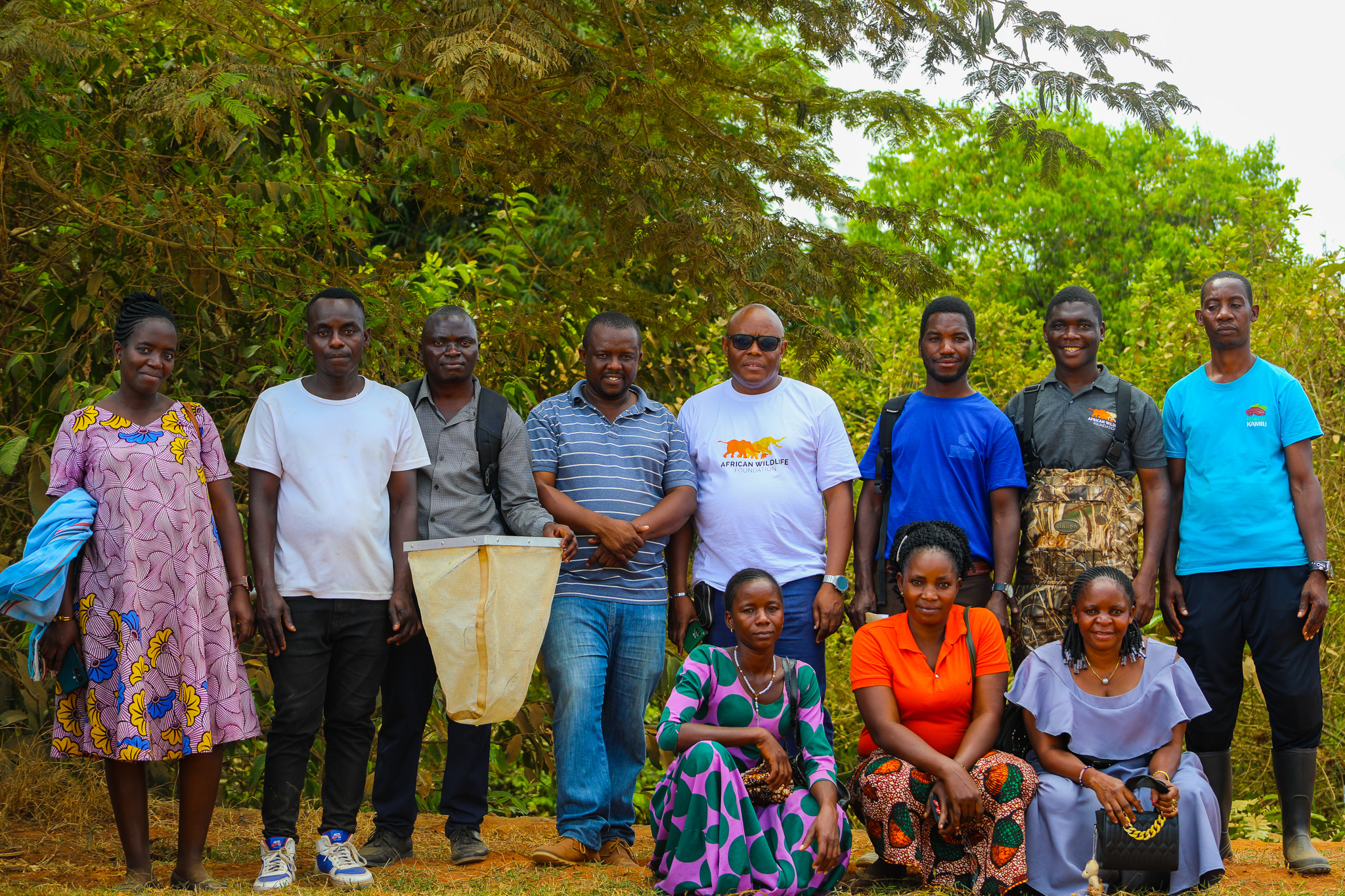
Ruipa Water Users Association members and AWF Tanzania staff members.
In a changing world, restored catchments act as natural buffers, helping people adapt to more erratic rainfall and prolonged dry spells. However, challenges remain: securing long-term funding for patrols, addressing upstream pollution sources, and ensuring everyone in the community has a voice in management decisions. These ongoing efforts are essential for lasting success.
For Ayubu, the sound of the river as it brushes over pebbles is therapeutic. The Londo River might not be fully restored yet, but the sight of children playing in the shallows under the shade of young trees tells him the future will be bright. With continued support from AWF, partners, and the community, Ayubu hopes this story will inspire others to champion nature-based solutions and community-led conservation—ensuring rivers like the Londo continue to nourish Tanzania for generations to come.