Over 4,000 Young Conservationists Participate in Second Shujaa Zone Competition, With Over 250 Awarded
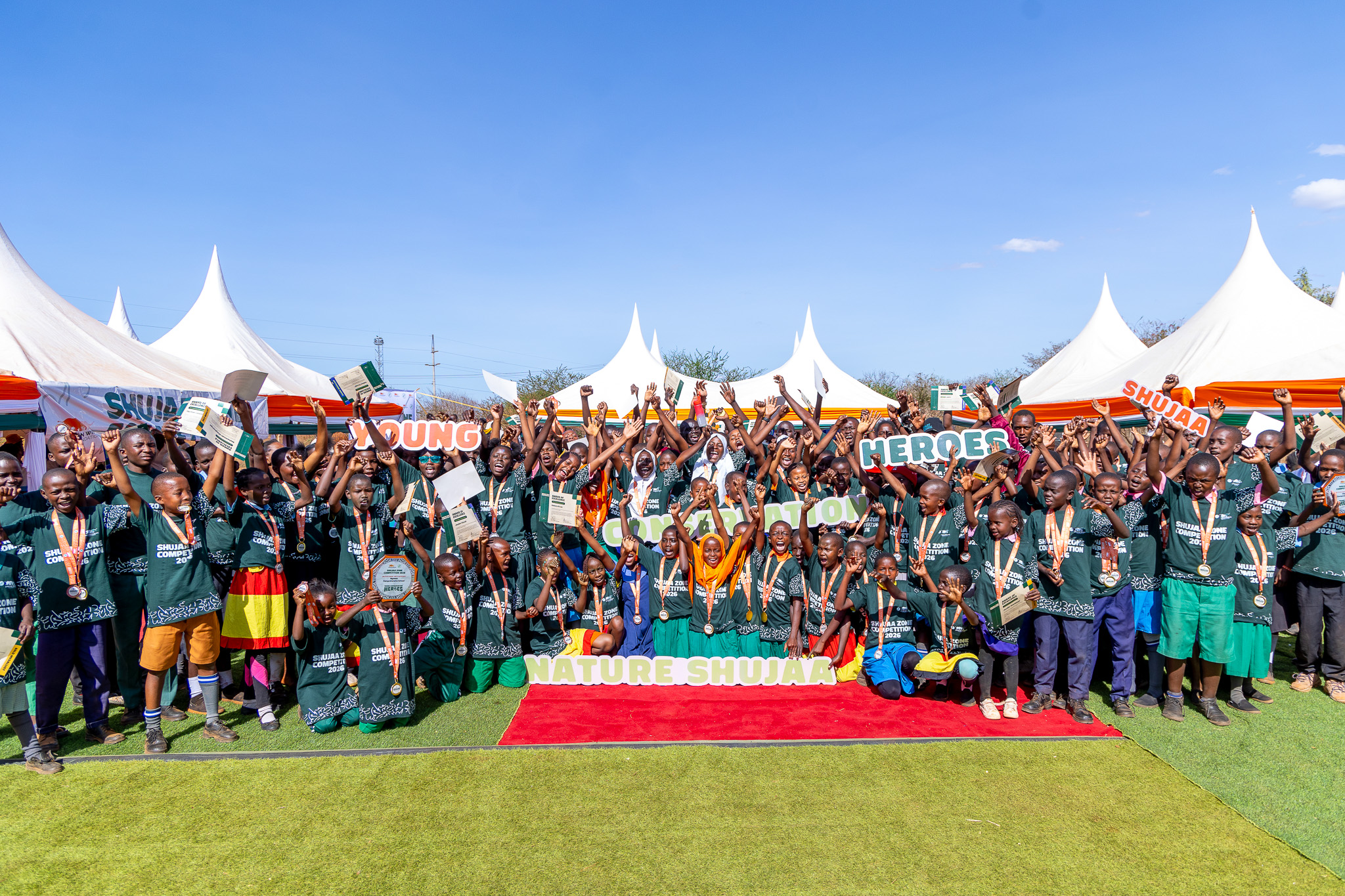
A Group Photo of the winners who participated in the second edition of the Shujaa Zone Competition
General Inquiries
Tel:+254 711 063 000
Ngong Road, Karen, P.O. Box 310
00502 Nairobi, Kenya
AWF, Wildlife Clubs of Kenya and Kenya Wildlife Service recognize young conservation champions from across the Tsavo Landscape
MAKUENI COUNTY, Kenya — More than 4,000 learners from across Kenya’s Tsavo Landscape participated in the second edition of the Shujaa Zone Competition, marking significant growth in a conservation education initiative designed to give children and young people a stronger role in shaping the future of Kenya’s wildlife and natural landscapes.
The young conservationists were celebrated during the Shujaa Zone Competition Award Ceremony held at Ngwata Comprehensive School in Makueni County, bringing together learners, teachers, conservation organizations and government representatives.
The competition is implemented by the African Wildlife Foundation (AWF) in partnership with the Wildlife Clubs of Kenya (WCK), with support from Bob and Emmy King, as part of the four-year Young Conservation Heroes project. The initiative engages children aged 7–17 across 137 selected schools in Tana River, Kwale, Kilifi, Kitui, Makueni, Taita Taveta and Kajiado counties.
Speaking as Chief Guest, Zainab Salim, Assistant Director for Conservation Education and Outreach at the Kenya Wildlife Service (KWS), underscored the importance of conservation education in sustaining Kenya’s wildlife heritage over the long term.
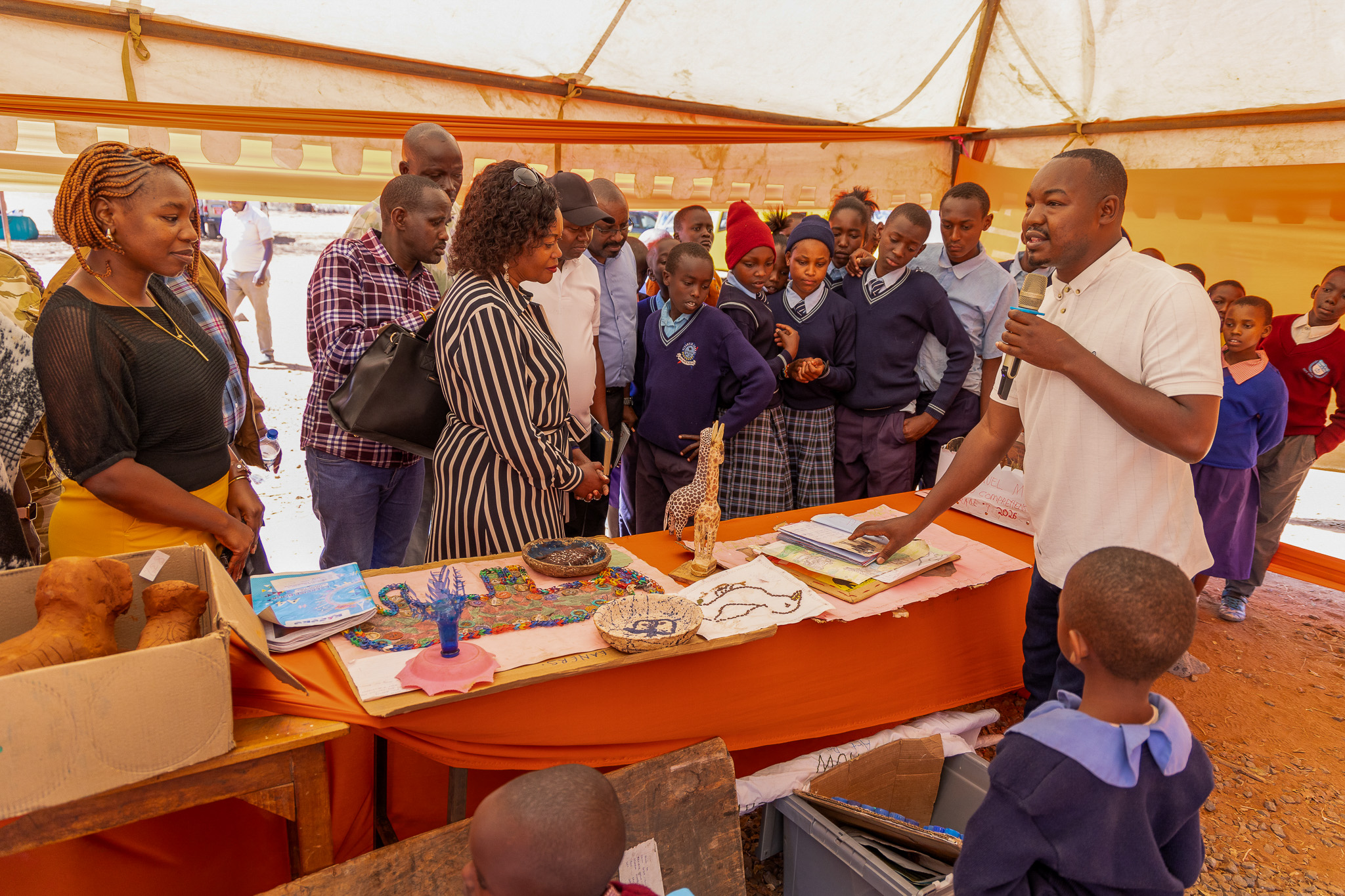
Losioki Soimoire, showcases one of the creative conservation projects inspired by conservation during the 2026 Shujaa Zone Competition.
“The future of Kenya’s wildlife will ultimately be entrusted to the generations represented here today. Protecting that future requires us to invest not only in wildlife and habitats, but also in the knowledge, values and leadership of young Kenyans. By connecting learners with conservation at an early age, we are strengthening the foundation for responsible stewardship of our wildlife and ecosystems for generations to come.”
Participation in the 2026 competition more than doubled compared with the previous edition, with over 4,000 applications received from learners across the seven counties. The growth highlighted increasing interest among young people in using their creativity and perspectives to engage with conservation issues affecting their communities and landscapes.
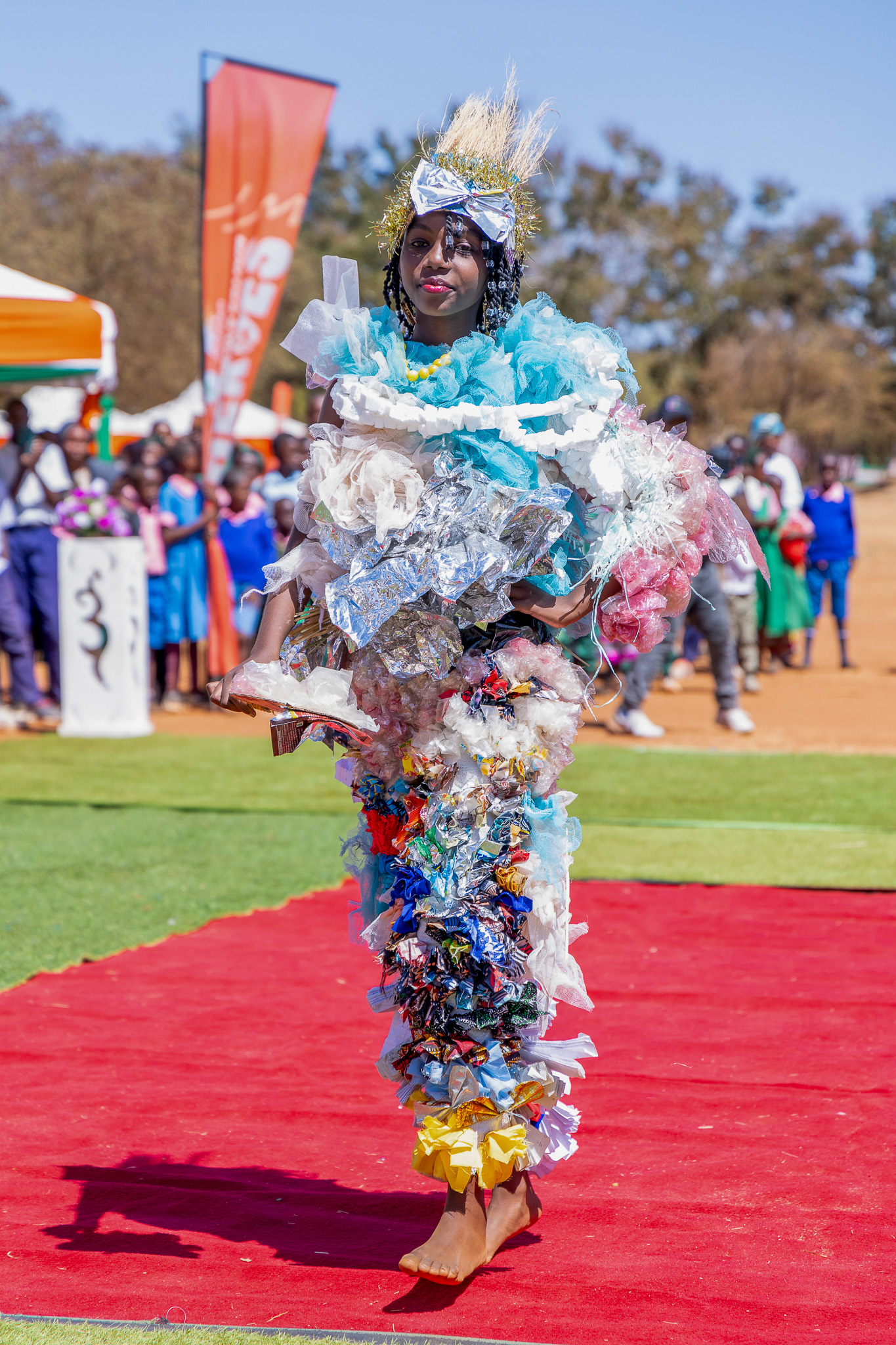
A learner presents her creative modelling entry to guests during the second Shujaa Zone Competition Award Ceremony.
“Conservation must be built across generations. When young people are given the knowledge, confidence and opportunity to engage with the natural world around them, they begin to see themselves as part of its future. Through the Young Conservation Heroes project, we are investing in a generation that understands that Africa’s wildlife and natural heritage are theirs to value, shape and ultimately lead in protecting,” said Nancy Githaiga, AWF Kenya, Country Director.
Held under the theme “Empowering Youth, Building Tomorrow,” the competition invited learners to communicate their understanding of conservation through photography, artwork, essays, poetry and freestyle categories, including modelling and dance. Recognition was also provided for wildlife club patrons and outstanding school conservation projects.
The entries reflected young people’s perspectives on wildlife, landscapes, environmental challenges and potential conservation solutions. Through these different forms of expression, the competition sought to strengthen conservation knowledge while creating space for young people to participate in wider conversations about the future of the Tsavo Landscape.
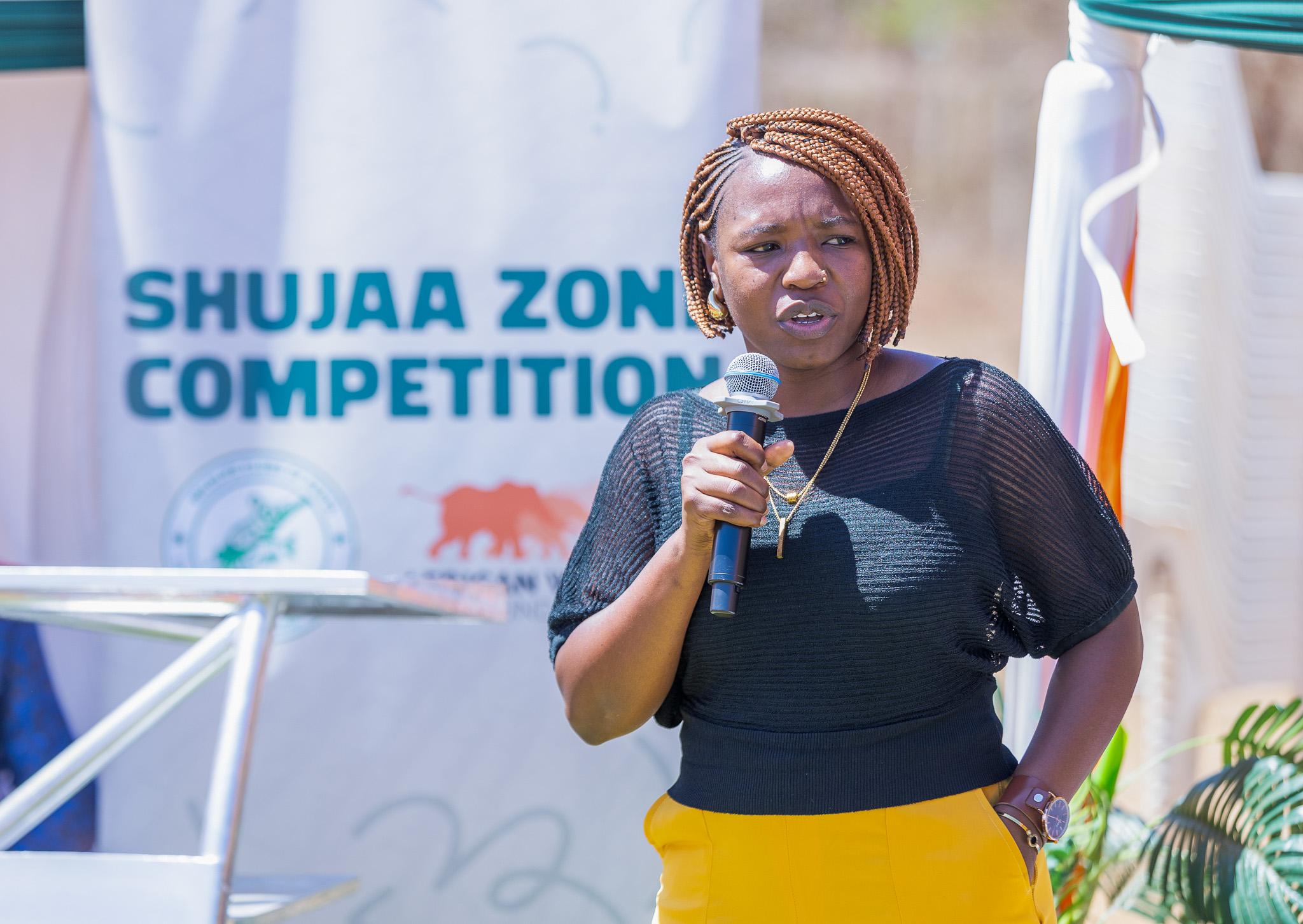
AWF Community Development Officer, Wanyika Wangio, addresses learners and guests during the Shujaa Zone Competition Award Ceremony.
Dr. Margaret Otieno, Chief Executive Officer, Wildlife Clubs of Kenya, said the competition demonstrated the importance of school-based wildlife clubs in translating environmental education into sustained interest and action among learners.
“For more than five decades, Wildlife Clubs of Kenya has seen what happens when conservation education becomes part of a young person’s experience, rather than simply something they encounter in a textbook. Through initiatives such as Shujaa Zone, learners are encouraged to observe, question, create and act, turning their curiosity and creativity into meaningful engagement with conservation. These experiences help young people develop a deeper connection with nature and the confidence to contribute to its conservation. They are important foundations for developing responsible citizens and future conservation leaders.”
The second edition of the competition also included collaboration with the Kenya Wildlife Service (KWS) to strengthen conservation awareness and engagement among young people, drawing on KWS’s mandate to conserve, protect and sustainably manage Kenya’s wildlife and habitats.
The collaboration between KWS, WCK and AWF brought together complementary roles in wildlife conservation, environmental education and community-based conservation, providing learners with a stronger connection between what they learn in school and the broader conservation priorities within their landscape.
About the African Wildlife Foundation
The African Wildlife Foundation is the primary advocate for protecting wildlife and their habitats as an essential part of a modern and prosperous Africa. Founded in 1961 during the African independence movement to build our capacity to steward our natural resources, AWF articulates a uniquely African vision. It bridges science, education, public policy and field programs to demonstrate the benefits of conservation and build a future for Africa where people and wildlife thrive.
About Wildlife Clubs of Kenya
Founded in 1968, Wildlife Clubs of Kenya began as a grassroots movement driven by the passion of young conservationists eager to protect Kenya’s natural heritage. It stands as Africa’s pioneer in conservation education programs, dedicated to promoting conservation awareness among youth in and out of school.