AWF and EWCA Partner to Strengthen Wildlife Law Enforcement and Judicial Responses in Ethiopia
General Inquiries
Tel:+254 711 063 000
Ngong Road, Karen, P.O. Box 310
00502 Nairobi, Kenya
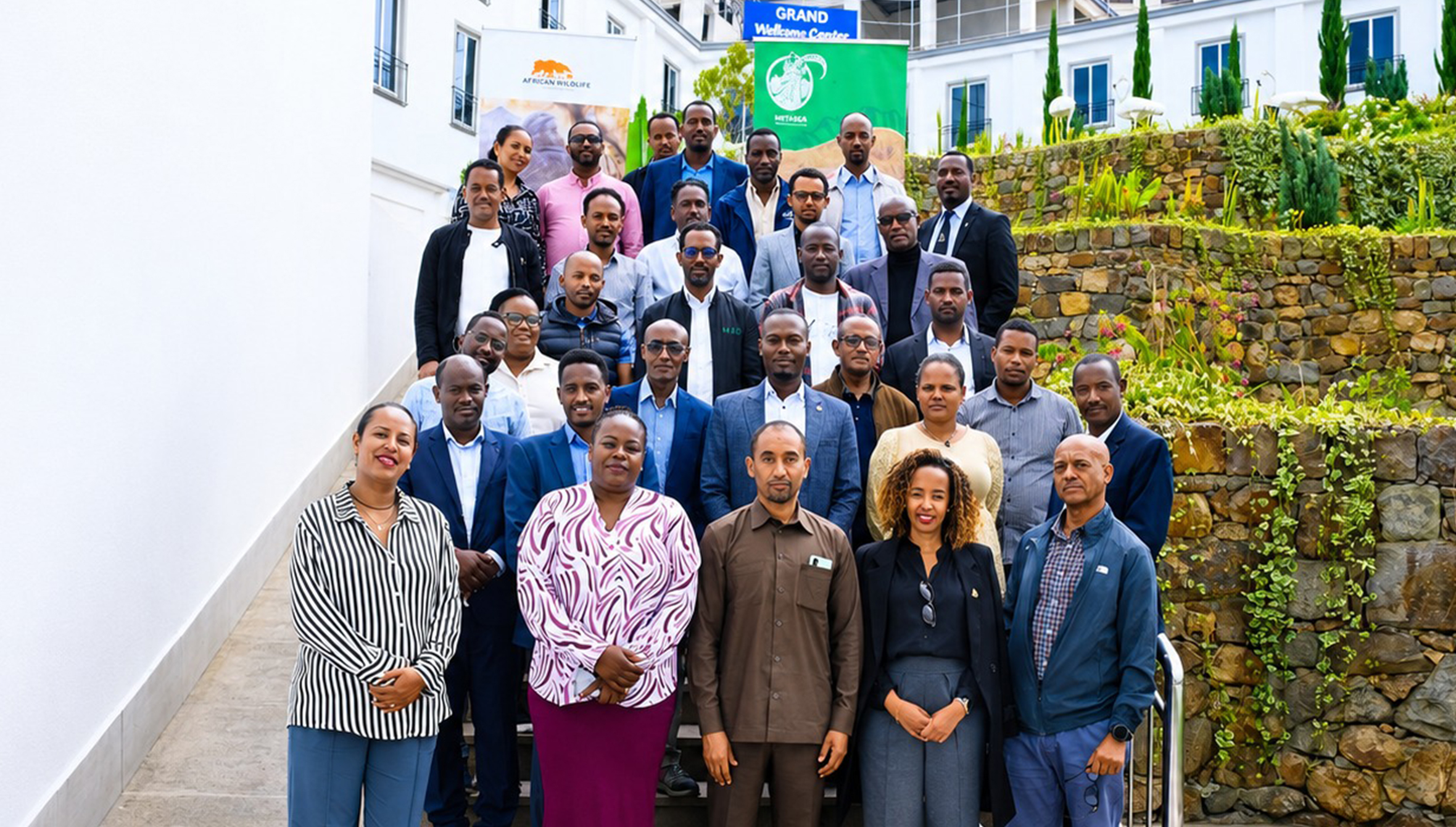
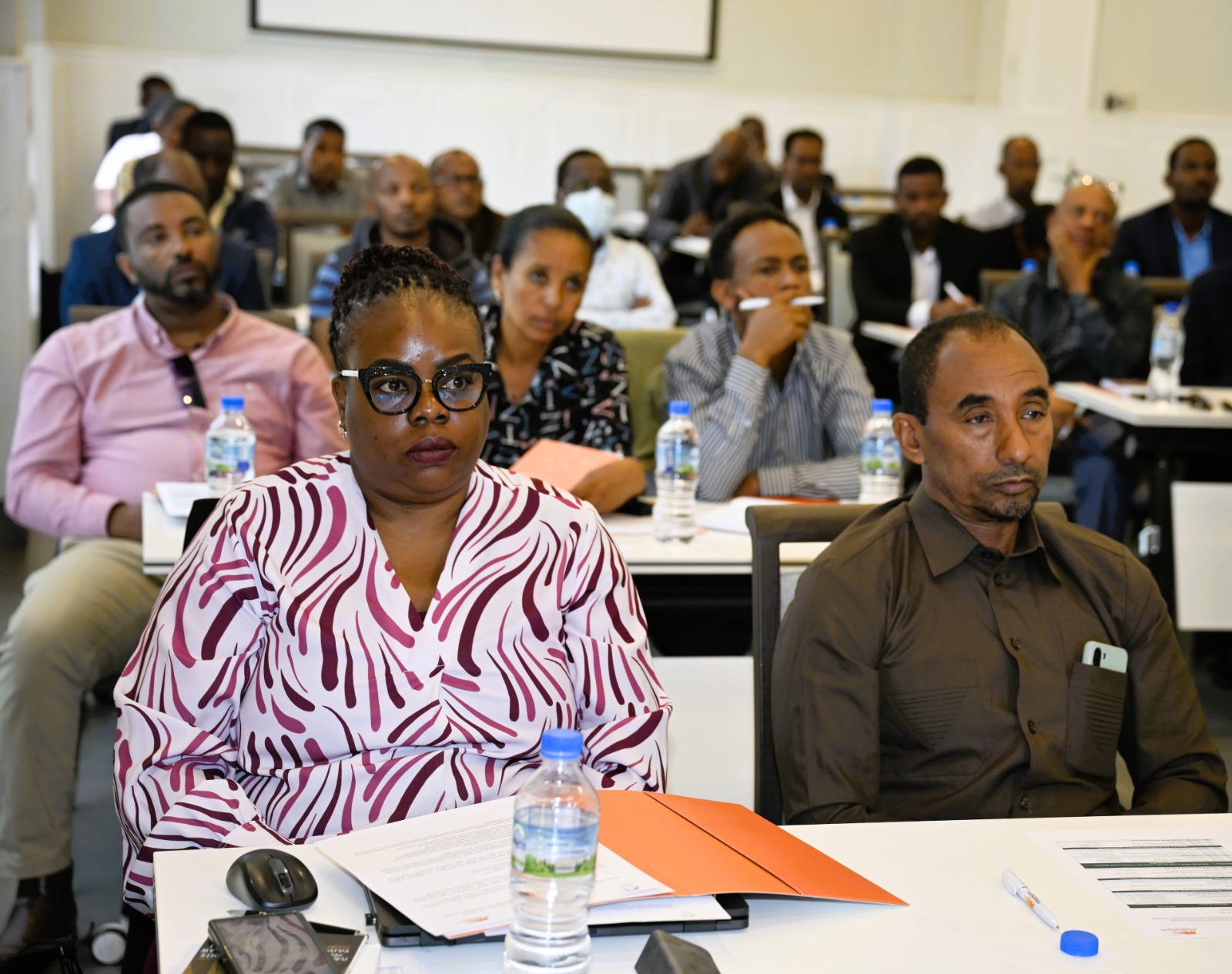
ADDIS ABABA, Ethiopia — The African Wildlife Foundation (AWF), in partnership with the Ethiopian Wildlife Conservation Authority (EWCA), convened a three-day Wildlife Judicial and Prosecutorial Assistance Training (WJPAT) in Addis Ababa from May 26–28, 2026.
The specialized training, themed “Species Identification, Legal Foundations of Admissibility, and Human Rights,” is designed to strengthen the operational and legal capacity of frontline managers and officers combating wildlife trafficking, particularly at critical transit points such as Bole International Airport.
As wildlife crime networks become increasingly sophisticated, effective enforcement now requires a combination of advanced field detection skills, strong legal grounding, coordinated prosecution, and strict adherence to human rights standards.
Speaking on the broader strategic vision behind the initiative, Didi Wamukoya, Director of AWF’s Counter Wildlife Trafficking Program, emphasized the organization’s long-term investment in strengthening national leadership, governance systems, and institutional capacity to proactively prevent future poaching and trafficking crises.
“We are investing heavily in these areas because there is a long-term vision,” said Didi during an interview conducted alongside the training. “We are focused on building country leadership and institutional resilience because we never want to get into a poaching and trafficking crisis. Some of the issues affecting conservation across the continent are governance-related, including corruption. If governance challenges are not addressed, even the best laws, technology, and law enforcement officers will struggle to effectively combat wildlife crime.”
Didi added that AWF’s long-term strategy includes integrating artificial intelligence and modern technologies into wildlife protection and enforcement systems over the next five to ten years. She also underscored the systemic legislative and judicial gaps that continue to weaken wildlife crime prosecution across many African countries.
“In many jurisdictions, wildlife crimes are still treated as regulatory or quasi-criminal offences, which means there is often little moral stigma attached to offenders,” Didi noted. “This emboldens criminal networks and repeat offenders.”
She further emphasized that weak legislation, inadequate drafting of laws, and limited enforcement powers continue to undermine effective case management and prosecution.
“Adequate enforcement is also hampered by weak legislation. Unfortunately, even well-qualified judicial officers, prosecutors, investigators, and frontline rangers often lack sufficient knowledge of the laws they are expected to enforce,” she added.
Highlighting Ethiopia’s commitment to strengthening its enforcement and judicial response to wildlife crime, Kumara Wakijira, Director-General of EWCA, described the partnership as a strategic step toward improving the country’s ability to combat transnational trafficking syndicates.
“We are building the policy and governance capacity required to stay ahead of transnational criminal networks,” the Director-General said. “By bridging the gap between field detection and court prosecution, we are ensuring that frontline officers at critical hubs like Bole International Airport are equipped to collect, manage, and present legally defensible evidence—transforming interceptions into successful prosecutions.”
The Director-General further emphasized the importance of collaboration and institutional preparedness in protecting Ethiopia’s natural heritage.
“Wildlife crime is no longer just a conservation issue; it is a serious organized crime challenge that requires coordinated responses across institutions, borders, and disciplines,” the Director-General said. “This partnership with AWF is helping strengthen the technical, legal, and operational capacities necessary for Ethiopia to respond effectively and sustainably.”
Core Training Framework
The training program is structured around six core modules designed to strengthen both operational and prosecutorial effectiveness:
- Wildlife Conservation: Examining the socioeconomic impacts of wildlife crime across Africa and specifically within Ethiopia.
- Species Identification: Demystifying identification techniques and advanced concealment methods used by traffickers.
- Wildlife Policy & Legislation: Mastering domestic frameworks and international CITES procedures.
- Legal Foundations of Admissibility: Navigating the rules of evidence, including the defense of canine-derived evidence in court.
- Introduction to Crime Scenes: Standardizing management, security, and initial actions by first responders.
- Human Rights in Conservation: Integrating human rights standards directly into wildlife law enforcement.
Participants received practical instruction on species identification, seizure procedures, evidence preservation, chain of custody management, courtroom testimony, and the legal handling of canine-assisted operations. The program also places strong emphasis on integrating human rights principles into wildlife law enforcement to promote professionalism, accountability, and lawful conduct.
According to the training organizers, the initiative ultimately aims to strengthen Ethiopia’s overall enforcement response by ensuring that wildlife crime cases are not only detected, but successfully prosecuted through credible investigations, proper evidence management, and stronger judicial processes.