Skip to main content
African Wildlife Foundation
Search
Main Menu
Our Approach
Leading for Wildlife
Empowering Leadership
Influencing Decision-Making
Amplifying African Conservation Voices
Living with Wildlife
Building Resilient Ecosystems
Supporting Resilient People
Ensuring Good Governance
Caring for Wildlife
Strengthening Wildlife Management
Counter Wildlife Trafficking
Applying Conservation Science
Our Focal Species
Where We Work
About AWF
Strategic Vision
Resources & Publications
AWF Leadership
Pressroom
Financials
History
Board of Trustees
Careers
Procurement
Contact Us
Partners
News
Other Ways to Give
Make a Donation
Renew Your Membership
Give Monthly
Legacy and Estate Planning
Gifts of Stock
Donor Advised Funds
Donate
Working to protect 80+ species every day.
A-Z
Size
Endangerment
Grid
Vertical
Jump to:
critically-endangered
endangered
vulnerable
near-threatened
least-threatened
Jump to:
extra-large
large
medium
small
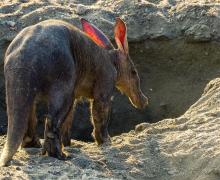
Aardvark
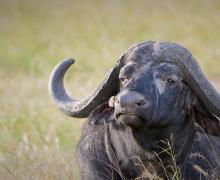
Buffalo
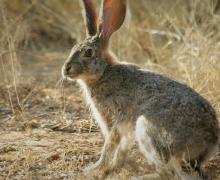
African Hare
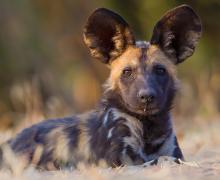
African Wild Dog
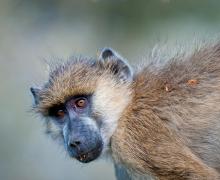
Baboon
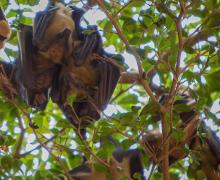
Bat
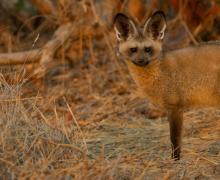
Bat-Eared Fox
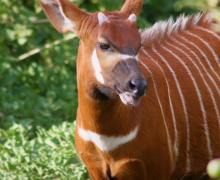
Bongo
Bonobo
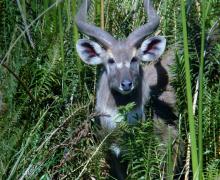
Bushbuck
Cheetah
Chimpanzee
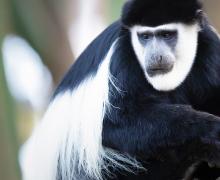
Colobus Monkey
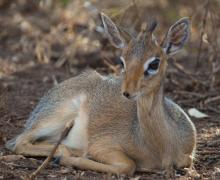
Dik-Dik
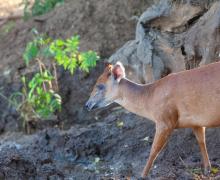
Duiker
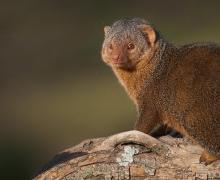
Dwarf Mongoose
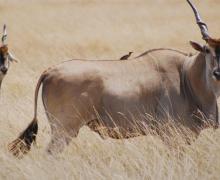
Eland
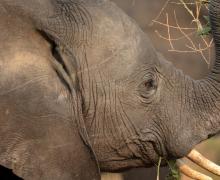
Elephant
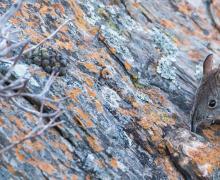
Elephant Shrew
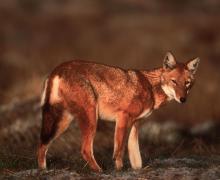
Ethiopian Wolf
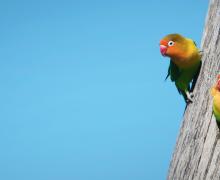
Fischer's lovebird
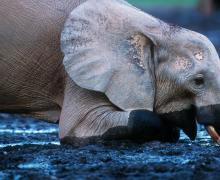
Forest Elephant
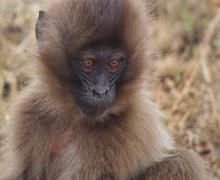
Gelada
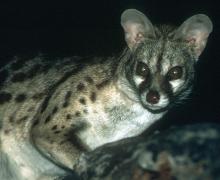
Genet
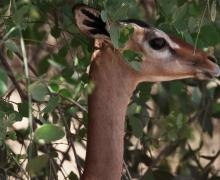
Gerenuk
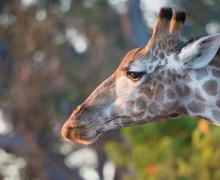
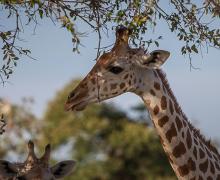
Giraffe
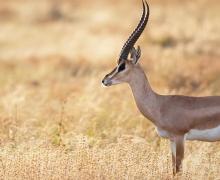
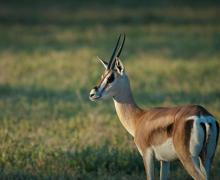
Grant's Gazelle
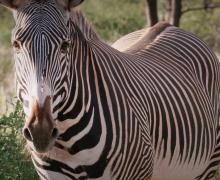
Grevy's Zebra
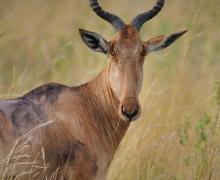
Hartebeest
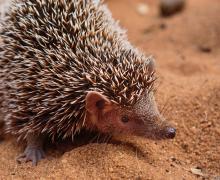
Hedgehog
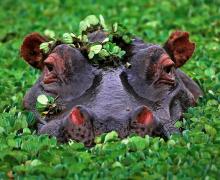
Hippopotamus
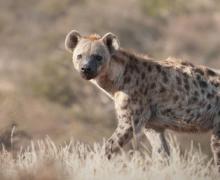
Hyena
Hyrax
Impala
Jackal
Kob
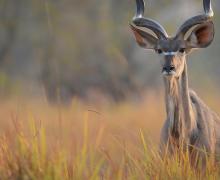
Kudu
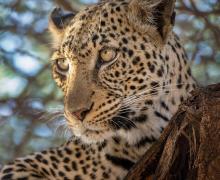
Leopard
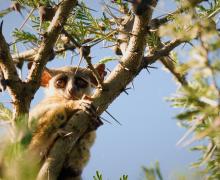
Lesser Bush baby
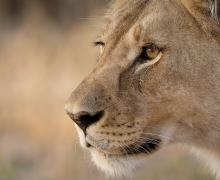
Lion
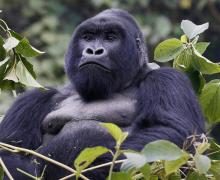
Mountain Gorilla
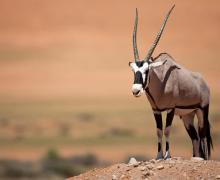
Oryx
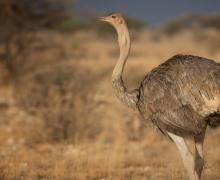
Ostrich
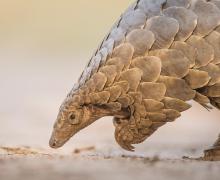
Pangolin
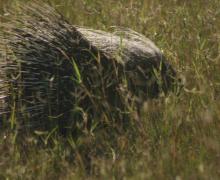
Porcupine
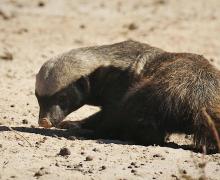
Ratel
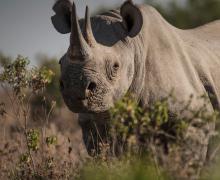
Rhinoceros
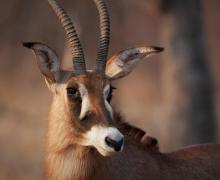
Roan Antelope
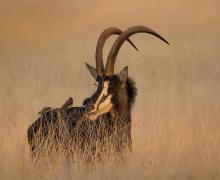
Sable
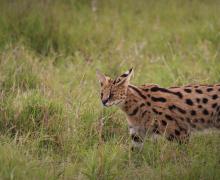
Serval
Sitatunga
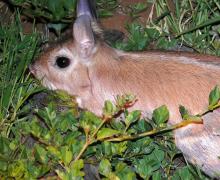
Springhare
Thomson's Gazelle
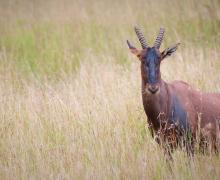
Topi
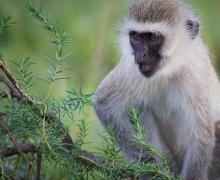
Vervet Monkey
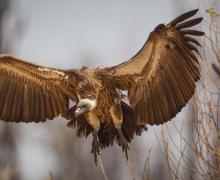
Vulture
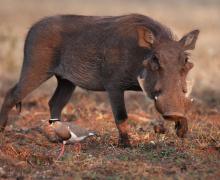
Warthog
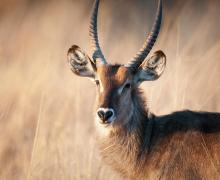
Waterbuck
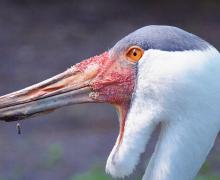
Wattled Crane
West African Giraffe
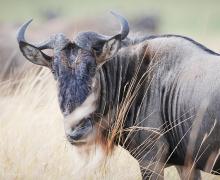
Wildebeest
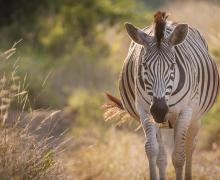
Zebra
Webform: Homepage: Donate Form
Make a gift to protect Africa's most vulnerable species.
Leave this field blank