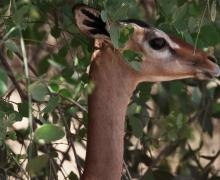
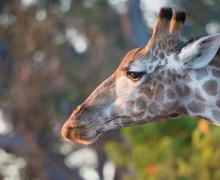
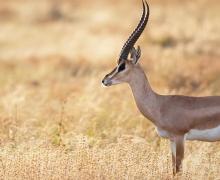
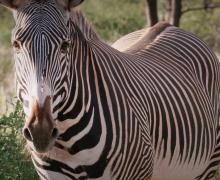
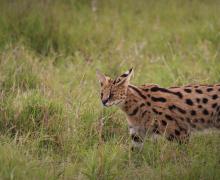
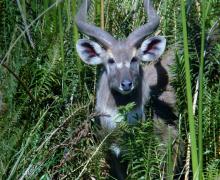
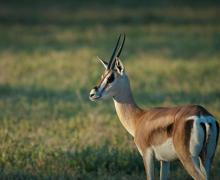
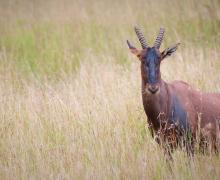
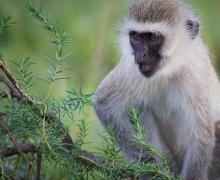
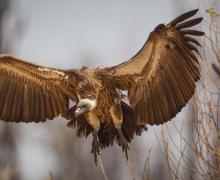
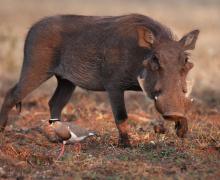
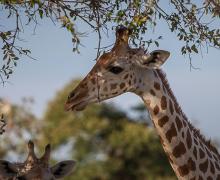
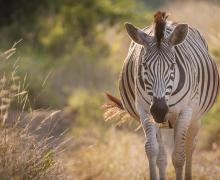
The West African Giraffe is a subspecies of giraffe distinguished by its light colored spots. It's last self-sustaining herd is in southwest Niger.

Other Species Research

Lions, elephants and rhinos may be some of the most famous faces of African wildlife, but Africa’s smallest creatures need protection too. Every living thing in Africa is part of the circle of life. Loss of even the smallest species can have an irreversible impact on the African ecosystem.

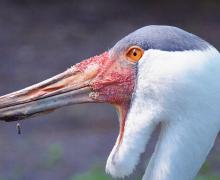
AWF doesn’t limit its species conservation work to the largest or most glamorous animals. Fish, birds and other wildlife are the subject of conservation efforts too. Protecting the wattled crane and the fish of the Zambezi River are two of AWF’s current initiatives to preserve lesser-known wildlife.
The Challenge

Humans are the greatest threat to many animals in Africa – not least of all birds and fish. As human populations expand, animals lose their habitat to settlements and agriculture. Human wars destroy animals and the lands they live in. Humans take birds and fish for food and for sport.

The only way to conserve Africa’s wildlife – big or small – is to help humans find economic and social alternatives to habitat and wildlife destruction. AWF is working with local communities in the African Heartlands to study the impacts of human activities on key species and find ways to conserve these wildlife and their habitats.

Leopards in the Kruger

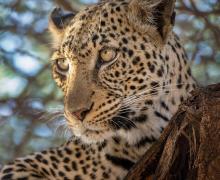
AWF is conducting research in South Africa's Kruger National Park to study leopard behavior and manage conservation of the species - The Greater Kruger Leopard Conservation Science Project. The project goals include documenting leopard behavior and populations, especially in the context of environmental tourism and economic opportunities it can bring to communities living in leopard habitat.

The leopard project also aims to provide further opportunities for African researchers to get involved in conservation – an initiative that AWF believes is critical to the long-term success of wildlife conservation in Africa.

Fish in the Zambezi River

For the people that live along the Zambezi River, fish have always been a diet staple. Today, population growth and poor agricultural conditions have brought even more people to the Zambezi for their livelihoods. The result: fish stocks are rapidly declining.

As the need to catch more fish for more people increases, fishermen are turning to inappropriate fishing gear such as small meshed nets that catch juvenile fishes before they get a chance to reach sexual maturity and regenerate. Others have started to use explosives and poisons that are destructive and unselective in their impact.

AWF sees the problem of unsustainable fishery practices as one of its areas for conservation action in the Zambezi Heartland. To better understand the fishery dynamics, AWF and its partners have conducted three aquatic biodiversity surveys along the Upper and Middle Zambezi. Using data collected, AWF is working to determine the impact of uncontrolled fishing on threatened fish species. AWF’s goal with this research is to contribute to the establishment of sound co-management practices for conservation and sustainable use of fisheries resources in the Zambezi.

AWF Wildlife Solutions

Below are examples of certain critical species AWF is working to protect.


Wildlife Gallery

Search our gallery for a specific animal found in our 9 Heartlands.


The Heartlands

Explore where AWF does its works:

  1. Congo
  2. Kazungula
  3. Kilimanjaro
  4. Limpopo
  5. Maasai Steppe
  6. Regional Parc W
  7. Samburu
  8. Virunga
  9. Zambezi