Bili-Uélé
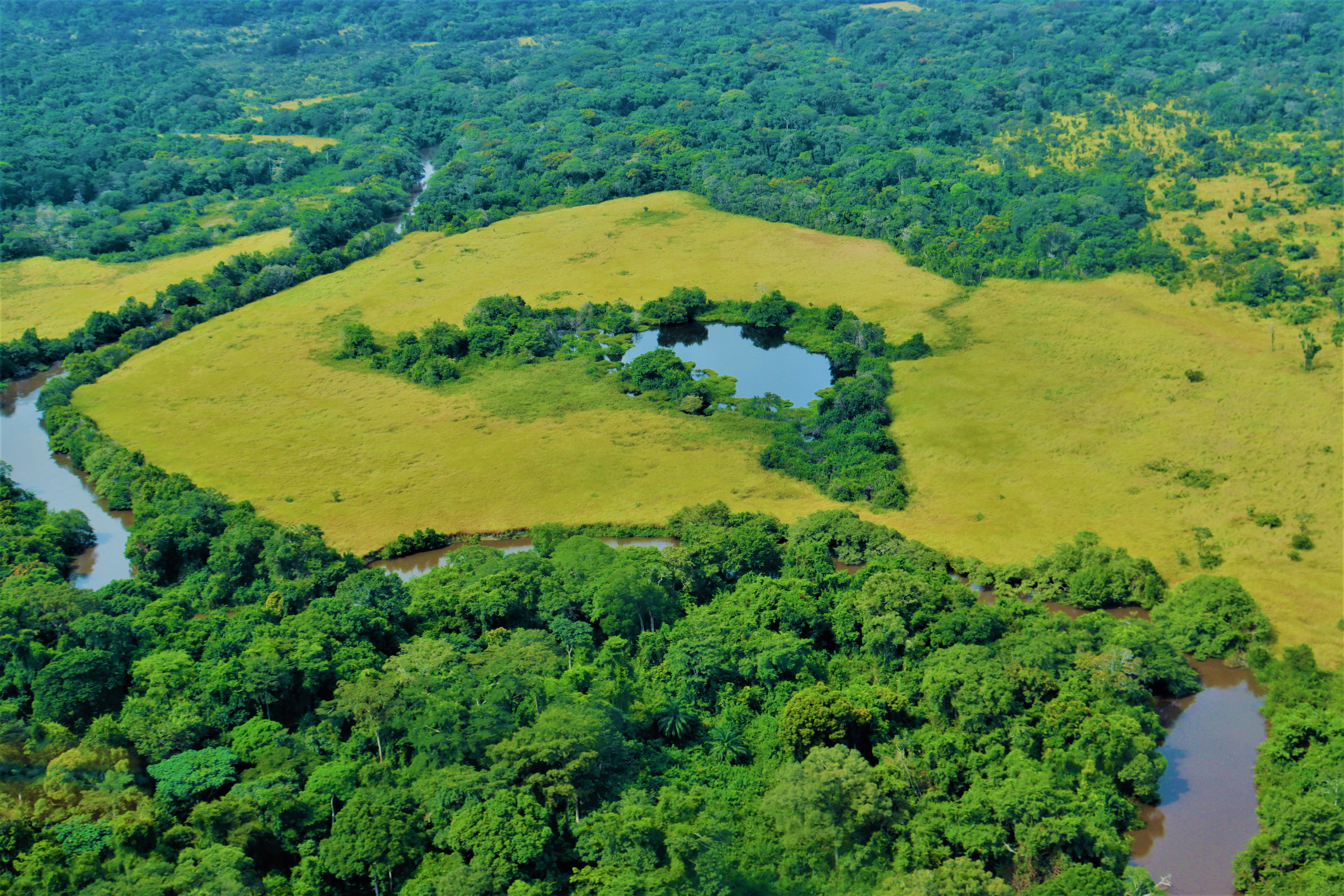
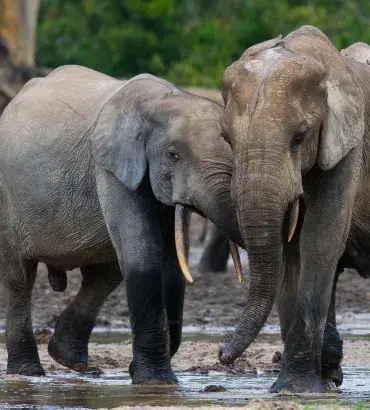
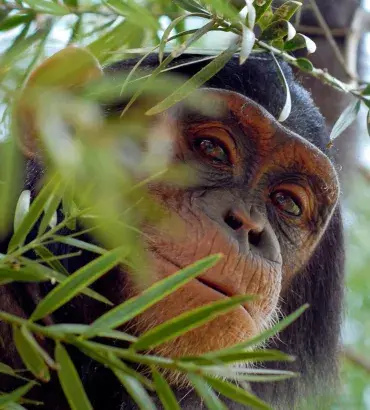
The Bili-Uélé Protected Area Complex stretches over 78,000 square kilometers and hosts significant populations of Eastern chimpanzees and forest elephants. Because this area makes up part of the Congo Basin rainforest—a vital global carbon sink, which sequesters more carbon than the Amazon—it is critical for conservation. But the country’s wildlife authority has struggled to effectively protect and manage Bili-Uélé due to a dire lack of resources and the extraordinary remoteness of this landscape.
We’ve partnered with the DRC’s wildlife authority (the Institut Congolais pour la Conservation de la Nature, or ICCN) in the Bili-Uélé Protected Area Complex since 2016. This work has been primarily supported by the European Union under its ECOFAC 6 Preserving Biodiversity and Fragile Ecosystems in Central Africa Programme.
Our comprehensive approach addresses the range of challenges and opportunities in the landscape, where we uphold a firm commitment to human rights:
- Supporting law enforcement
- Investing in protected area infrastructure
- Developing sustainable livelihoods
- Creating incentives for sustainable community practices
- Monitoring wildlife
Infrastructure Support
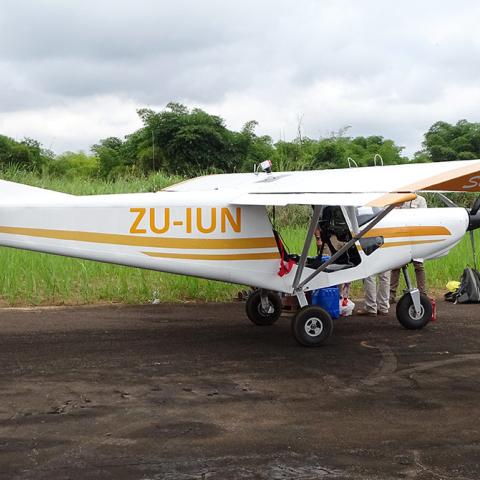
When necessary, we invest to ensure park personnel have access to essentials like operating bases, offices, water supply, electricity, roads, airstrips, and radio systems. This helps protected-area managers respond quickly and efficiently to incursions and other threats to wildlife and habitat.
Linking Conservation with Education
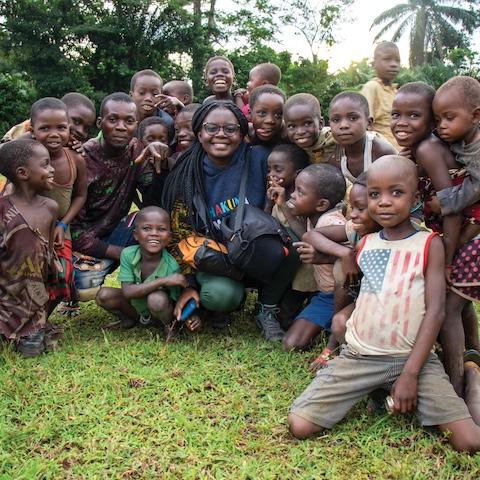
Ilima, a remote village in northern DRC, is in a wildlife corridor between two nature reserves. In 2013, with the support of the Nancy and Charles Wall Family Foundation Fund, AWF constructed a primary school for the village in exchange for conservation commitments from the community. Since opening in 2015, Madina Conservation School has educated 1,400 children in grades 1-6. Students learn why it is important to protect their environment, and they bring this knowledge home, contributing to a community-wide understanding of conservation. Explore how Madina students in the 2023-2024 school year see nature.